Essential Elements of a High-Quality Early Childhood Education Program
This article highlights the key characteristics of a high-quality preschool, including suitable curriculum, qualified staff, and a nurturing environment. It emphasizes the importance of engaging activities and safe facilities to support overall child development. Parents are advised to visit schools and verify information to make an informed choice for their child's early education. The piece underscores how a strong preschool foundation benefits lifelong learning and growth.
Essential Elements of a High-Quality Early Childhood Education Program
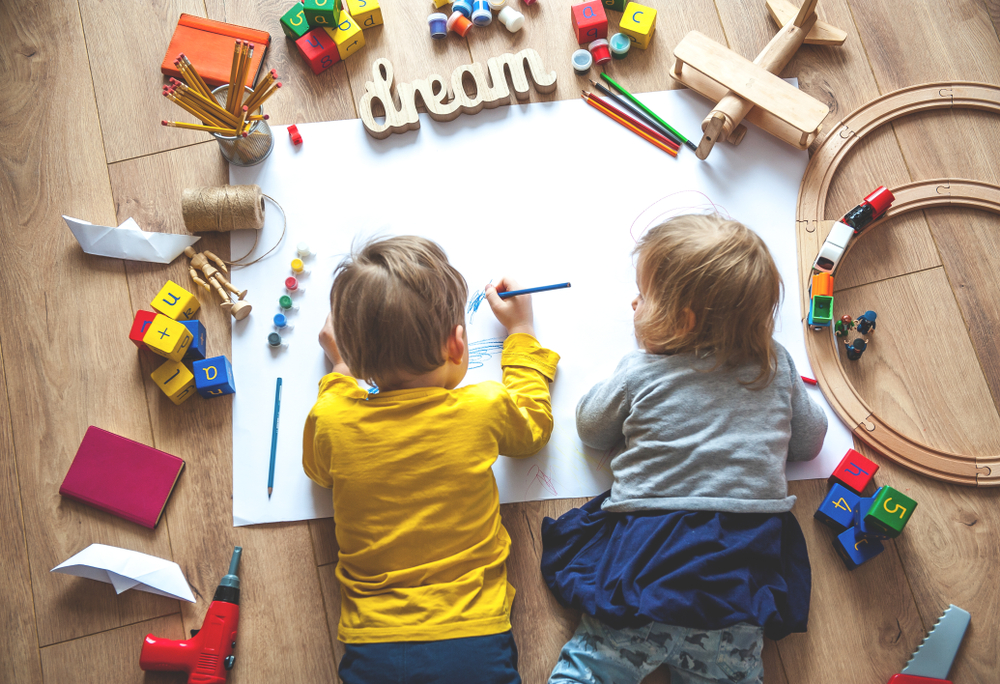
Selecting an appropriate preschool plays a vital role in nurturing your child's social, emotional, and cognitive development. A thoughtfully designed curriculum should cater to your child's unique interests and needs, encouraging exploration and learning. Observe your child's temperament—whether they prefer group activities or individual attention—and assess how teachers engage with children during visits. The learning space should be warm and inviting, offering ample room for active play, creative projects, and social interaction. An ideal preschool combines arts, music, physical activity, and collaborative play to support overall growth.
Defined, attainable goals
Fosters all-round development
Provides a supportive and caring environment
Facilities outdoor play and movement
Qualifications and Interaction of Staff
Engage with preschool educators to learn about their experience and teaching approach. Staff should show enthusiasm, give individual attention, and maintain a stable, nurturing atmosphere. Positive and encouraging interactions help build confidence and curiosity in children. Understanding their background ensures your child will be in capable, caring hands.
Learning Environment and Facilities
The preschool should have safe, comfortable, and stimulating spaces. Outdoor areas must be suitable for physical activities and energetic play. Classroom resources should promote creativity, independence, and learning. Activities like group circle time support social, language, and motor skills development. Including arts and play fosters emotional well-being and cognitive growth, ensuring the environment meets your child's developmental needs.
Overall, a quality preschool program combines engaging activities, dedicated staff, and a positive atmosphere to lay a strong foundation for your child's future education.
Disclaimer:
The information provided here serves as general guidance and educational insight. Parents are encouraged to visit schools and conduct thorough research before making decisions. Content accuracy is not guaranteed, and differences across sources may occur. Some programs or offers might not be included.