Advances in Targeted Treatments for Gastrointestinal Stromal Tumors
This article explores the latest targeted treatments for gastrointestinal stromal tumors, focusing on Ripretinib and Ayvakit. It details their mechanisms, clinical benefits, safety profiles, and compares their applications, highlighting their importance in personalized cancer therapy. These advances offer new hope for resistant GIST cases and demonstrate progress in precision medicine.
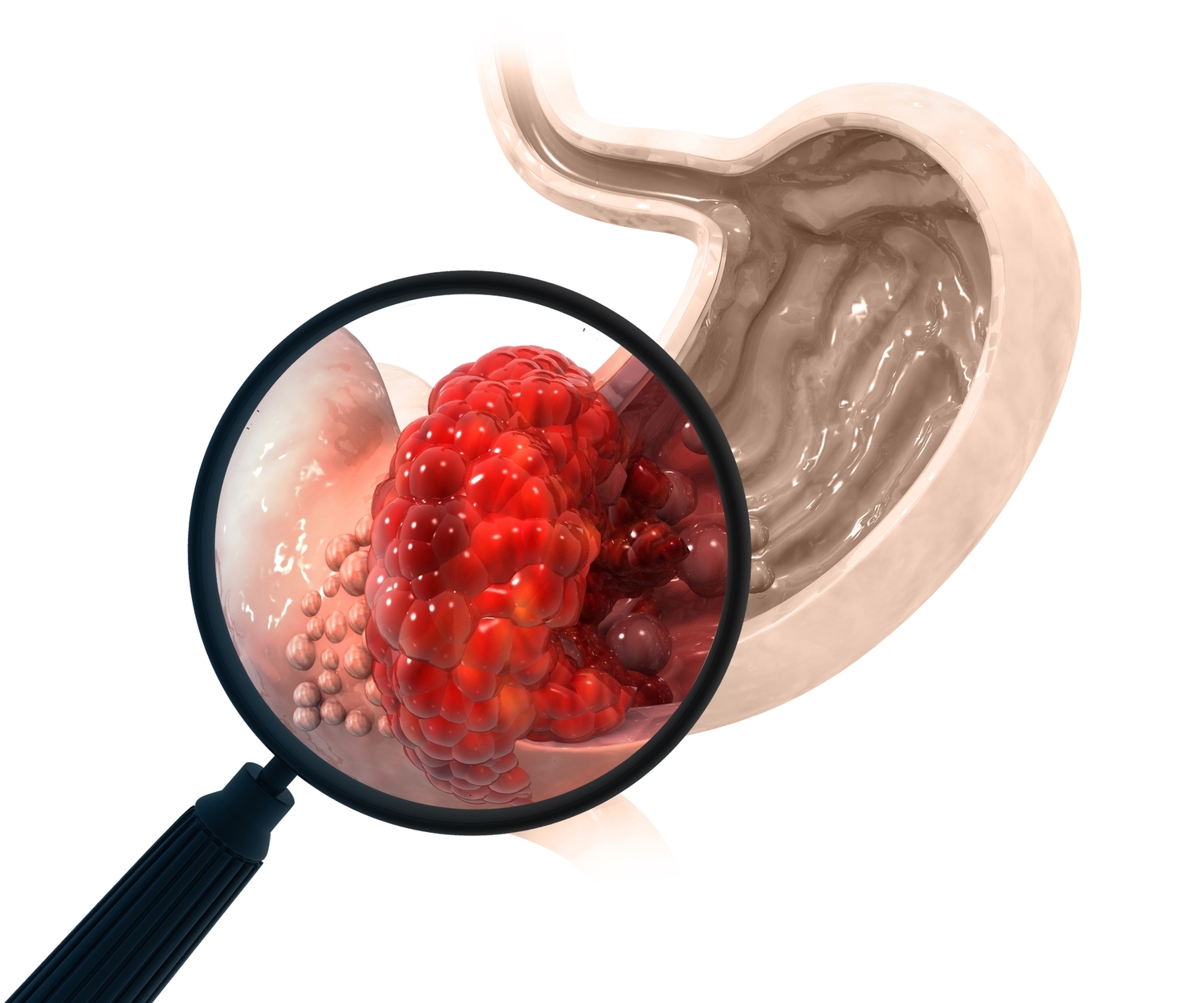
Introduction
Gastrointestinal stromal tumors (GIST) are uncommon cancers arising in the digestive tract, mainly in the stomach or small intestine. They develop from interstitial cells that control gastrointestinal muscle movements. Mutations in genes like KIT or PDGFRA are common in GISTs, necessitating targeted therapy options. Recent innovations include the use of Ripretinib and Ayvakit (avapritinib), providing new hope for patients who do not respond to traditional treatments.
These specialized medications offer alternative solutions for resistant tumors, enhancing patient outcomes and survival chances. This article explores their mechanisms, clinical benefits, and safety, emphasizing their role in personalized GIST therapies.
Challenges in GIST Treatment
Mutations in KIT or PDGFRA lead to uncontrolled growth of tumors. While TKIs like imatinib initially work well, resistance often develops. Patients with resistant tumors require advanced, mutation-specific therapies, where Ripretinib and Ayvakit are vital options.
Ripretinib: A Major Step Forward
Developed by Deciphera Pharmaceuticals and marketed as Qinlock, Ripretinib is a next-generation inhibitor approved in 2020 for heavily pre-treated GIST patients, especially after failure of other TKIs. It targets a wide range of KIT and PDGFRA mutations, including resistant secondary mutations.
How It Functions
Ripretinib blocks both primary and secondary mutations in KIT and PDGFRA. It stabilizes the inactive form of KIT, preventing tumor-promoting pathways even after other treatments have failed.
Clinical Trial Results
Data from the INVICTUS trial show that Ripretinib prolongs progression-free survival to around 6.3 months and increases median overall survival to 15.1 months, significantly benefiting advanced GIST patients.
Adverse Effects
Common side effects include fatigue, hair loss, muscle pain, and skin reactions. Serious but manageable effects like high blood pressure and skin issues may occur.
Ayvakit: Precision Therapy for Specific Mutations
Approved in 2020 by the FDA and developed by Blueprint Medicines, Ayvakit (avapritinib) is tailored for GIST patients with PDGFRA exon 18 mutations, including the resistant D842V variant. It provides a targeted treatment for this hard-to-treat subgroup.
How It Works
Ayvakit selectively inhibits mutated PDGFRA and KIT proteins, effectively blocking pathways that drive tumor growth, particularly in D842V-mutant cases.
Clinical Performance
The NAVIGATOR trial reported an 84% overall response rate among patients with the D842V mutation, with some experiencing complete tumor remission. Many remained progression-free and alive at the data cutoff point.
Side Effects
Possible adverse effects include swelling, fatigue, nausea, and cognitive issues like memory loss. Rare but serious events such as bleeding in the brain have been observed, requiring careful monitoring.
Comparing the Treatments
Ripretinib and Ayvakit both expand GIST treatment options, especially for resistant forms. Their use depends on mutation specifics and treatment history. Here's a quick comparison:
FDA Approval: Ripretinib - fourth-line; Ayvakit - for PDGFRA exon 18 mutations
Mechanism: Ripretinib - broad-spectrum KIT/PDGFRA inhibitor; Ayvakit - targeted for PDGFRA exon 18 mutations
Intended Patients: Ripretinib - resistant tumors after multiple therapies; Ayvakit - specific PDGFRA mutation carriers
Effectiveness: Ripretinib - PFS 6.3 months, OS 15.1 months; Ayvakit - ORR 84% in D842V mutation
Side Effects: Ripretinib - fatigue, hair loss; Ayvakit - edema, cognitive effects
These innovative treatments represent a significant advancement in GIST management, particularly for cases with limited options. Ongoing research continues to enhance targeted therapies, fostering hope for personalized and more effective cancer care.