Comprehensive Guide to Pneumonia: Symptoms, Diagnostics, and Treatment Options
This comprehensive guide explores pneumonia, covering its symptoms, diagnostic methods, and treatment options. It emphasizes early detection, testing procedures, and preventive measures like vaccination. The article aims to educate readers on recognizing symptoms, understanding the importance of timely medical intervention, and ways to reduce risk through lifestyle choices, ensuring effective management and better health outcomes.
Understanding Pneumonia: Symptoms, Diagnosis, and Treatment Strategies
Pneumonia is a lung infection causing inflammation in one or both lungs' air sacs, often filled with fluid or pus. It is a common illness in the United States, affecting all age groups, from infants to adults. Each year, over a million hospital admissions are due to pneumonia, with total cases between 8 to 10 million. Symptoms include difficulty breathing, chills, fever, and coughing up mucus. Early detection usually results in mild issues, while delays can be life-threatening.
Prognosis of pneumonia – Since pneumonia can be fatal if not identified early, accurate diagnosis is essential. Medical assessments based on symptoms guide timely treatment, lowering the risk of severe outcomes.
Blood testing – Blood work confirms infection presence and helps identify the specific pathogen, enabling targeted treatment approaches.
Pulse oximetry – This simple, non-invasive test measures blood oxygen levels, helping doctors evaluate how severely the lungs are affected and the body's oxygenation status.
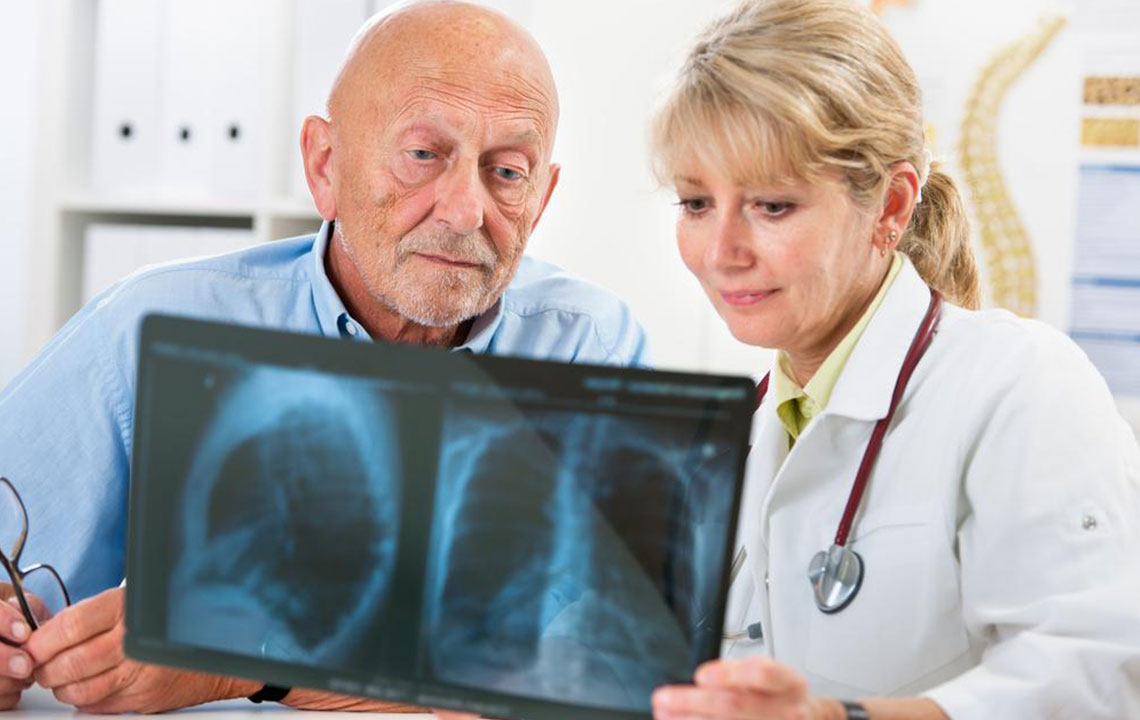
Chest X-ray – After blood tests suggest pneumonia, chest imaging provides a visual overview of lung involvement but doesn't specify the pathogen.
Sputum testing – Analyzing lung secretions identifies bacteria or viruses causing the infection, ensuring precise therapy.
Additional diagnostics, like CT scans or pleural fluid analysis, may be necessary, particularly for older adults or resistant cases.
Key symptoms of pneumonia include shortness of breath, persistent cough, chest pain during breathing, chills, fever, fatigue, confusion in elderly patients, and in children, symptoms may include irritability, fever, vomiting, or exhaustion. Early recognition is vital for effective management and prevention of serious complications.
Pneumonia treatment options depend on swift medical care. Over-the-counter medicines are not advisable; consultation with healthcare providers ensures proper medication. Antibiotics are often essential for bacterial pneumonia, chosen based on infection severity and patient age. Symptom relief can be achieved with cough suppressants and fever reducers, but caution is necessary. Severe cases may require hospitalization, particularly for seniors or immunocompromised individuals.
Preventive strategies include vaccination, good hygiene practices, a healthy diet, and regular exercise to boost immunity. With appropriate care and timely medication, many recover at home under medical supervision. Regular vaccinations are effective in preventing pneumonia, so consulting a healthcare professional about immunization is recommended.