Essential Tips for Buying a Used Camper Van for Your Adventures
Discover essential tips for buying a reliable used RV, including research strategies, inspection advice, and market insights. Save money while enjoying comfort and functionality for your adventures. Suitable for both new and seasoned travelers, this guide ensures a smart purchase tailored to your travel needs and budget.
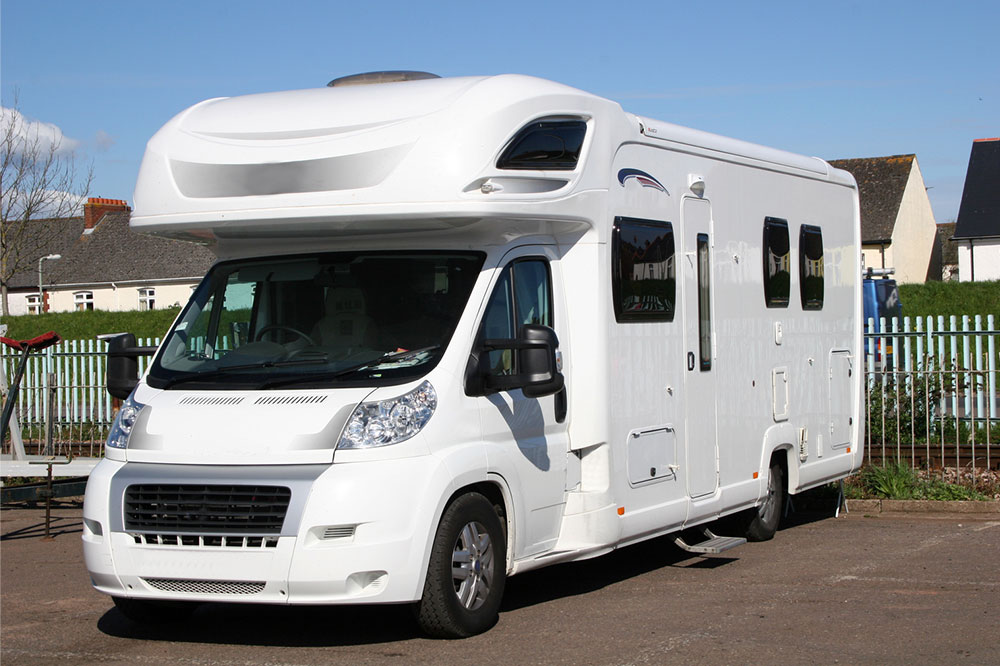
Comprehensive Guide to Purchasing a Pre-Owned RV
Owning a camper van transforms travel into unforgettable experiences, allowing you to explore scenic routes with ease. Before making a purchase, it’s vital to select a suitable vehicle for towing or driving, paying attention to modern electronic systems and specs. Buying a used RV is a cost-effective choice, offering comfort and quality at a reduced price. Generally, a vehicle over three years old depreciates to about half its original value, factoring in wear and tear as well as financing and maintenance costs.
If your plans include summer trips or family escapades, a used RV can be an excellent option. Carefully maintained, these vehicles provide convenience and savings without sacrificing comfort.
Follow these crucial tips to choose a reliable used camper van:
While the idea of traveling extensively in your own RV is exciting, stay practical. Conduct thorough online research, read owner reviews, join RV enthusiast groups, attend rallies and expos of your favorite brands. Connecting with experienced owners helps you determine if a particular model suits your lifestyle.
Clearly define your requirements. Whether seeking a new or upgraded model, understand the ideal size, type, and features for your travel plans. For example, Class A RVs are comfortable for occasional use but may be less manageable for long trips, while compact models are easier to handle for frequent travel. Know your purpose before buying.
Search online listings and visit RV parks for the best deals. Many sellers are private owners, making direct negotiations possible. Use detailed databases to filter options by model, price, and location.
Check market values using tools like NADAguides by entering vehicle details. Dealer websites and local sellers can also help you compare prices and ensure fair offers.
Always request a comprehensive vehicle history report via the 17-digit VIN. This reveals past accidents, damages, theft reports, recalls, and manufacturer info. Ask for maintenance records, ownership history, warranties, and manuals. Test drive the RV to evaluate engine performance, handling, and mechanical systems.
Be cautious of potential problems. Vehicles that have been stationary for long periods may need expensive repairs. Ensure the RV has traveled between 10,000 and 35,000 miles, and inspect key components like batteries, belts, brakes, tires, and plumbing. Consider weather exposure that might impact its condition.
Stay updated on market value trends, compare similar models, and review common issues. Financing options are available through lenders, who might require vehicle inspections, especially for RVs over five years old.
Choose an RV that matches your travel style and family needs. For trips with children, ensure enough sleeping and living space. If traveling solo or as a couple, smaller models may be more suitable. Focus on comfort, functionality, and budget for a rewarding purchase.
Thorough planning ensures your used RV will serve you well on many adventures. Making informed choices guarantees memorable journeys, whether traveling alone or with family.