Comprehensive Guide to Knee Osteoarthritis: Causes, Symptoms, and Treatment Approaches
This article offers an in-depth look at knee osteoarthritis, exploring its causes, symptoms, and treatment options ranging from lifestyle changes to surgical procedures. It emphasizes early intervention and professional guidance for effective management and prevention of joint deterioration.
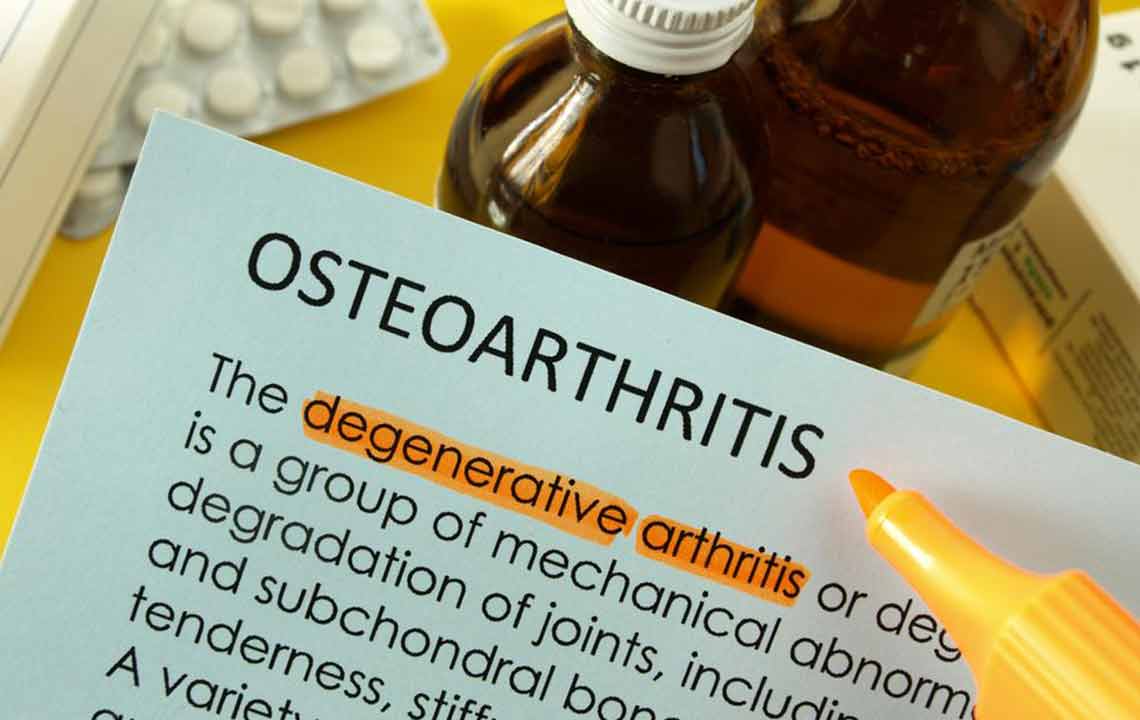
Knee Osteoarthritis: An In-Depth Overview of Causes, Signs, and Therapeutic Options
What is knee osteoarthritis?
Knee osteoarthritis is a progressive joint disorder where cartilage deteriorates, causing bones to rub directly against each other. This leads to inflammation, stiffness, and ongoing pain in the knee area.
Although it can occur at younger ages, it predominantly affects older adults. Genetic predispositions also play a role. Treatments range from home remedies and lifestyle modifications to medical interventions and surgery. Early health management and active living can help prevent or delay its development.
Factors Contributing to Knee Osteoarthritis
Age: Risk increases past 55 as cartilage diminishes with age.
Gender: Women are more susceptible to developing this condition.
Genetics: Inherited traits and unique bone shapes can predispose individuals.
Obesity: Excess weight applies additional stress on knee joints, speeding up cartilage deterioration.
As a result, obesity significantly raises osteoarthritis risk, with approximately 66% of obese individuals being vulnerable.
Common Symptoms
Pain: Discomfort is most noticeable during movement, such as climbing stairs or bending, and improves with rest.
Stiffness: Morning stiffness or inactivity-related stiffness can hinder knee mobility and straightening.
Swelling: Inflammation can cause redness, warmth, and irritation around the knee.
Crepitus: Crackling or grinding sounds during movement indicate cartilage loss and bone friction.
Medical Evaluation: Clinicians review patient history, symptom patterns, and perform physical assessments for swelling or limited motion.
Imaging Tests: X-rays display bone and cartilage health, while MRIs offer detailed soft tissue insights to confirm osteoarthritis.
Treatment and Management Strategies
Home-Based Care: Maintaining a healthy weight reduces joint strain; regular exercise builds knee strength; applying heat or cold packs after activity helps ease symptoms.
Medical Interventions: OTC pain medications such as acetaminophen, anti-inflammatory drugs, corticosteroid and hyaluronic acid injections, and supportive braces can be effective.
Surgical Options: Arthroscopy enables minimally invasive removal of damaged tissue; knee replacement (arthroplasty) restores joint function; osteotomy realigns bones to decrease joint pressure. Consulting healthcare providers ensures appropriate treatment choices.
Effective management can relieve discomfort, but personalized advice from medical professionals remains essential.