Top Strategies to Manage Excessive Sweating (Hyperhidrosis)
Discover effective treatments for hyperhidrosis, including topical remedies, injectable options, and surgical procedures. Learn how to manage excessive sweating and improve quality of life with professional guidance. Whether mild or severe, personalized treatment plans can help control symptoms and reduce social embarrassment.
Effective Approaches to Treat Hyperhidrosis
Hyperhidrosis, a condition marked by excessive sweating in areas like palms, soles, and underarms, can interfere with daily activities. When localized, it’s called Focal Hyperhidrosis; if it covers large areas, it’s known as Generalized Hyperhidrosis. Individuals with significant sweating should seek medical consultation to determine suitable treatment options. Although not life-threatening, hyperhidrosis can lead to social awkwardness and embarrassment, affecting personal and professional relationships.
In severe cases, frequent clothing changes may help reduce bacterial growth. Mild cases often respond well to natural remedies such as strong deodorants, antiperspirants, or powders before considering invasive procedures. Here are some effective treatments available today.
Antiperspirants: Available over the counter or by prescription, these products contain aluminum salts that block sweat glands, reducing perspiration and odor.
Oral Medications: Anticholinergic drugs prescribed by doctors can decrease sweating temporarily but may have unwanted side effects, limiting their long-term use.
Iontophoresis: This therapy involves passing a mild electric current through water to inhibit sweat gland activity, typically used for hands and feet.
Botox Injections: Botox, widely known for cosmetic use, also reduces sweating by blocking nerve signals to sweat glands when injected into focal areas like palms or underarms.
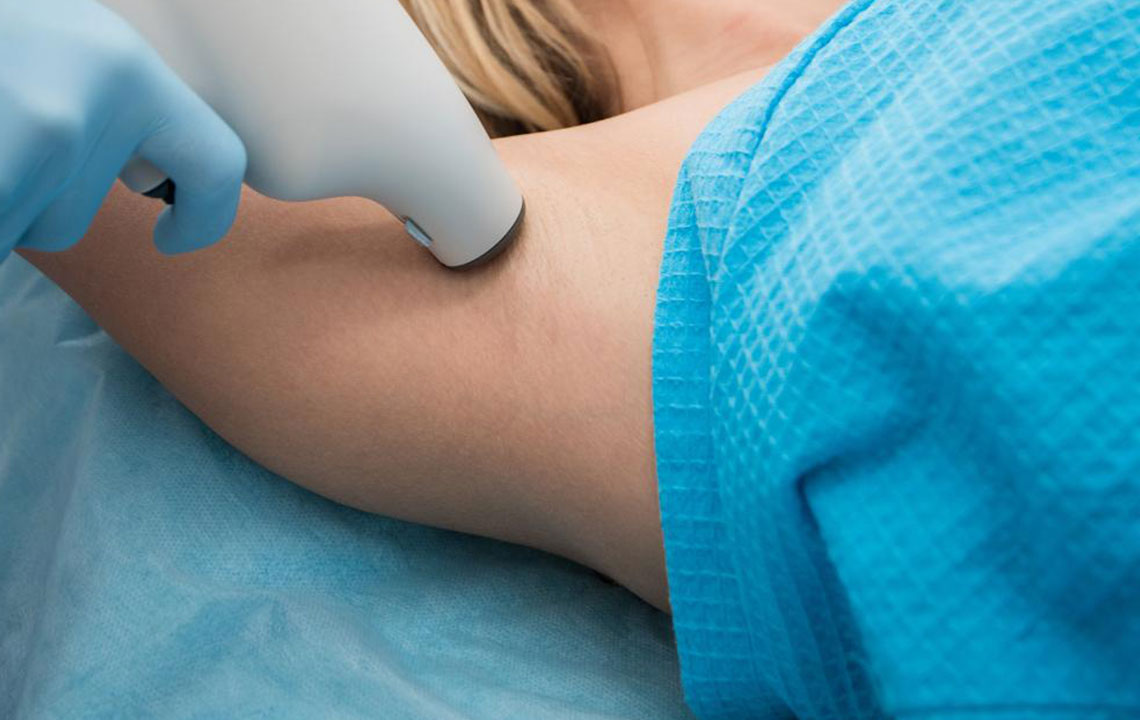
MiraDry System: A non-invasive procedure using electromagnetic energy to remove sweat and odor glands from underarms, offering a surgical-free option.
Laser Therapy: Targeted laser treatment destroys sweat glands beneath the skin, providing a permanent reduction in excessive sweating.
Surgical Interventions: Procedures like Endoscopic Thoracic Sympathectomy (ETS) involve cutting or clamping nerves controlling sweat production, usually reserved for severe cases but with potential side effects such as additional sweating in other areas.
Localized Surgery: Focused surgeries target specific hyperhidrotic regions with lower risks, suitable for focal cases.
If you suffer from excessive sweating, consult a healthcare professional to explore personalized treatment options. From natural remedies to advanced surgical procedures, multiple solutions are available to help manage this condition effectively.
Important Note:
This article provides general information on hyperhidrosis treatment methods. It is not intended as medical advice. Always consult a qualified healthcare provider for diagnosis and tailored treatment planning. The content reflects current research and expert insights but should not replace professional consultation.