Signs of Tick Bite Reactions: Recognizing Symptoms and Preventive Tips
Learn to identify symptoms of tick bites, understand associated risks, and follow effective prevention strategies. This guide highlights key illnesses like RMSF, Lyme disease, and Colorado Tick Fever, emphasizing the importance of early detection and treatment. Protect yourself during outdoor activities by recognizing signs and taking safety measures to minimize tick exposure and ensure health safety.
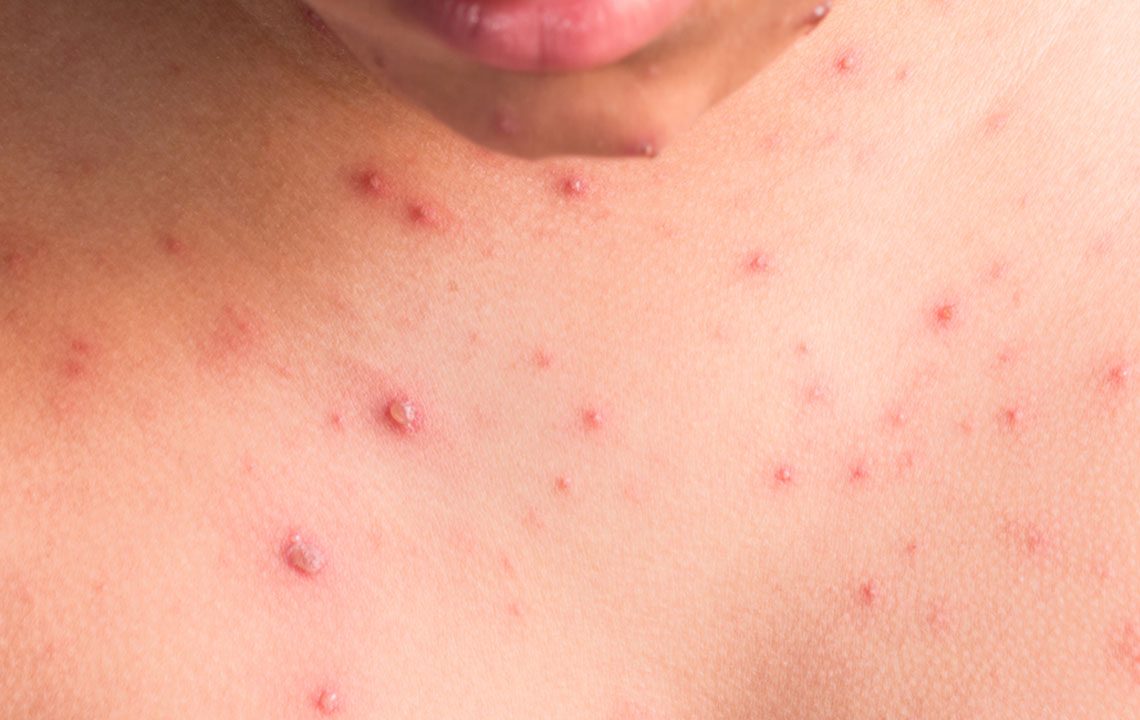
Ticks thrive in outdoor areas like tall grass, leaf piles, and shrubs. They often latch onto humans and pets, transmitting pathogens during feeding. Despite their small size, ticks feed on blood until they swell to a size comparable to a marble. While many tick bites are harmless, some can cause allergic responses or serious diseases. A skin rash after a tick bite may indicate an underlying health issue, emphasizing the importance of prompt attention.
Tick bite rashes can cause discomfort, such as itching and burning, but may also signify severe illnesses. Below are common tick-borne diseases to watch for if a rash appears.
Rocky Mountain Spotted Fever (RMSF)
RMSF is a serious illness mainly found in southeastern regions of the U.S., spread through tick bites. Symptoms usually develop 2 to 14 days after exposure and include high fever lasting 2-3 weeks, chills, fatigue, stomach pain, nausea, muscle aches, and headaches. A distinctive rash of small red spots often appears on the palms, wrists, ankles, and soles within 2-5 days, spreading across the body. A second purplish rash may develop later, indicating disease progression. Early treatment with doxycycline is essential to prevent complications.
Lyme Disease
This bacterial infection is commonly transmitted in northeastern parts of the U.S. It starts with a characteristic bullseye rash near the bite site, expanding outward over time. Early antibiotic treatment with doxycycline, amoxicillin, or cefuroxime is critical. If untreated, the illness can affect the heart, nervous system, and joints, leading to symptoms like paralysis, tremors, and joint swelling. Advanced stages may result in neurological and sensory impairments.
Colorado Tick Fever
Predominantly affecting western regions, this milder illness causes fever, headache, chills, and occasional mild rashes. Symptoms usually resolve within 7-10 days with supportive care and hydration. Using protective clothing and insect repellents during outdoor activities helps prevent infection. Being cautious in wooded areas reduces tick exposure and health risks.
Note: This article provides general information on tick bite symptoms and diseases but should not replace medical advice. Seek professional healthcare guidance for diagnosis and treatment. Stay alert and adopt preventive measures while outdoors in tick-prone environments.