Ultimate Guide to Corporate Risk Management Solutions
This comprehensive guide explores modern corporate risk management solutions, highlighting essential features, benefits, and best practices for selecting the right tools. Effective risk management is vital for organizational resilience, compliance, and growth in today's complex environment. The article covers key functionalities like risk detection, assessment, mitigation planning, real-time monitoring, and system integration. It emphasizes how these solutions support informed decision-making, operational efficiency, and risk reduction. Choosing scalable and user-friendly platforms ensures organizations can adapt and thrive amidst evolving threats and regulations, securing long-term success.
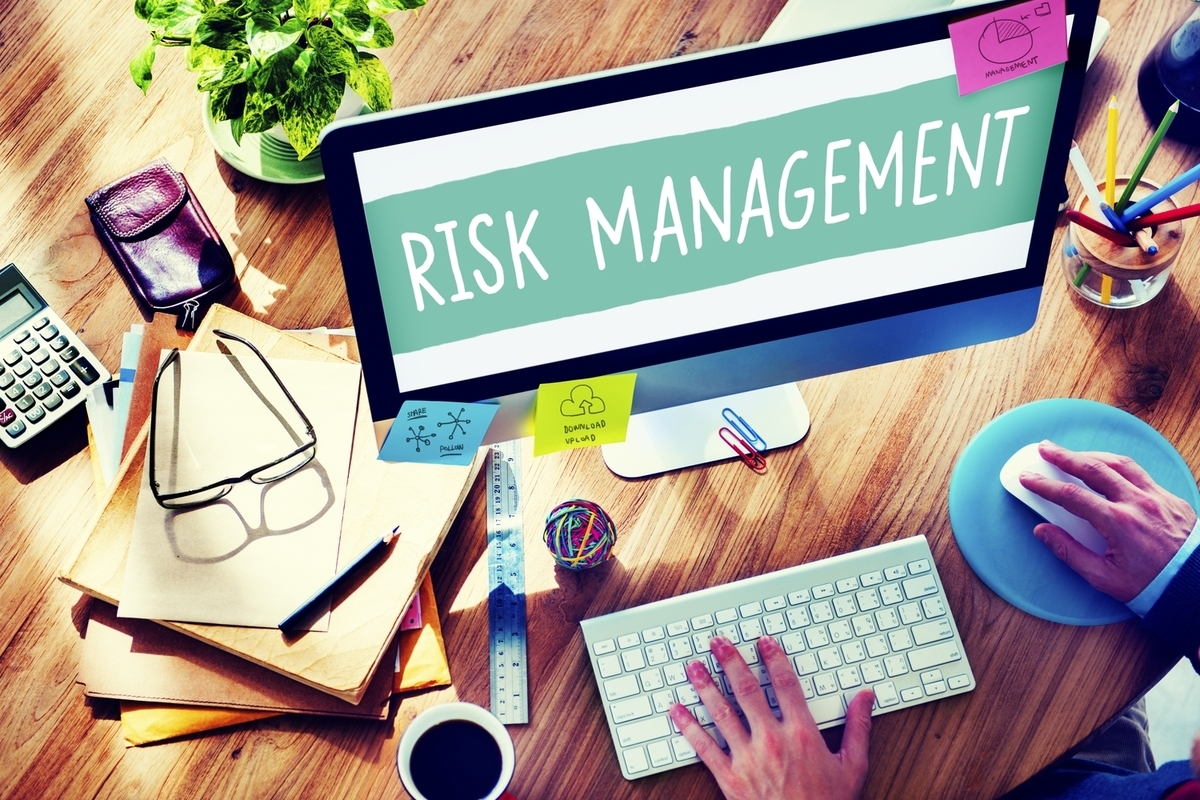
Corporate Risk Management: An Extensive Breakdown
In the ever-evolving world of business, having robust risk management strategies is crucial for sustainable growth. Risk management tools facilitate early detection, assessment, and control of threats that could hinder organizational objectives. This article highlights the importance, essential features, benefits, and factors to consider when choosing effective risk management platforms.
Understanding Risk Management
Risk management involves systematically identifying, analyzing, and prioritizing potential risks, then implementing measures to mitigate their impact. Effective risk oversight ensures smooth operations, regulatory compliance, and safeguarding assets, bolstering organizational robustness.
What Are Risk Management Tools?
These platforms automate the risk identification, evaluation, and mitigation process through structured workflows. They offer real-time analytics, reports, and insights that support strategic decision-making. Integration with existing business systems enhances visibility and streamlines risk handling across departments.
Key Features of Risk Management Platforms
1. Risk Identification
Tools like risk libraries, templates, and checklists help organizations efficiently recognize internal and external risks.
2. Risk Assessment and Prioritization
Metrics and risk models enable evaluation of severity and likelihood, assigning priority scores to critical risks.
3. Developing Mitigation Plans
Integrated features support creating action plans, resource allocation, and team collaboration for effective risk reduction.
4. Real-Time Tracking and Reporting
Live dashboards and analytics provide current insights into risk statuses, enabling prompt responses. Custom reports aid in analyzing trends and decision-making.
5. System Integration
Connecting with ERP, CRM, and compliance systems ensures cohesive risk management across all business functions.
6. Compliance Management
Features such as automated alerts, policy templates, and audit trails help maintain regulatory adherence, reducing legal risks.
7. Incident Management
This module records, investigates, and addresses risk incidents, supporting continuous improvement by root cause analysis and prevention.
Advantages of Risk Management Solutions
Enhanced Decision-Making: Access to real-time data supports proactive strategy development.
Operational Streamlining: Automating processes reduces manual effort and errors, saving resources.
Regulatory Compliance: Ensures adherence to standards, avoiding penalties.
Cost Savings: Efficient risk control lowers potential financial losses.
Protection of Reputation: Early risk detection preserves organizational trust and image.
Selecting the Right Risk Management Software
Scalability: Choose platforms that grow with your organization.
Flexibility: Ensure customization options to fit your processes.
User-Friendly Design: Simple interfaces promote widespread adoption.
Vendor Support: Opt for providers offering training, updates, and ongoing assistance.
Cost Considerations: Evaluate total costs, including licensing and maintenance.
Overall, risk management software is essential for organizations facing today’s complex threat landscape. Automating risk processes enables proactive detection, assessment, and mitigation of potential hazards. Selecting a tailored solution ensures resilience, compliance, and long-term organizational growth, empowering companies to navigate future challenges with confidence.