Risks and Safety Tips for Fall Protection Harness Use
This article highlights common hazards related to fall protection harnesses and offers essential safety tips. It emphasizes correct fit, D-ring placement, and the importance of replacing aging equipment to ensure safety during height work. Proper harness use prevents accidents and injuries in construction and industrial environments.
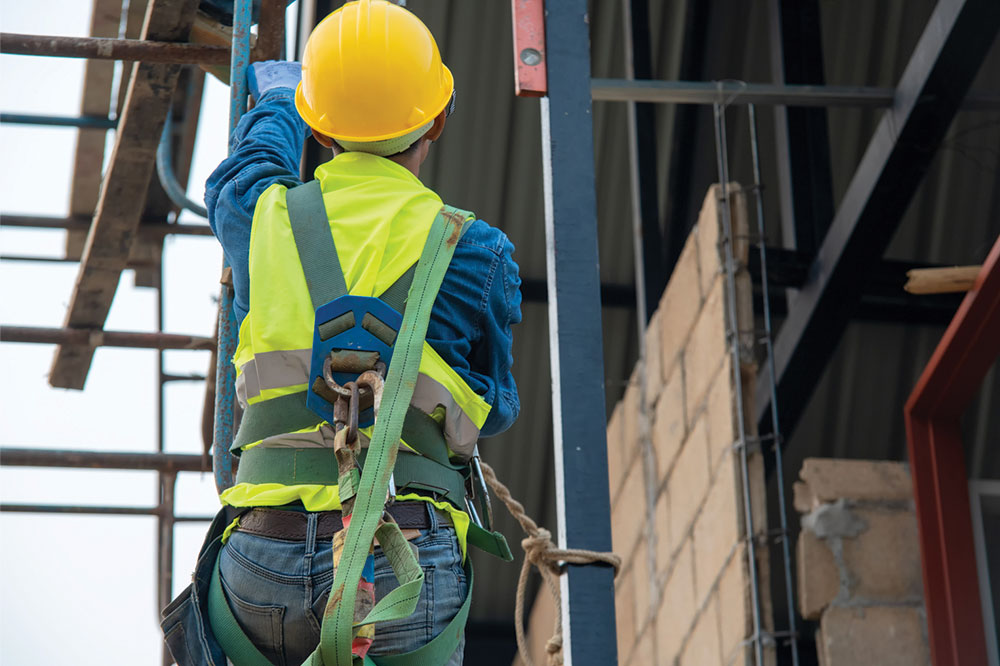
Risks and Safety Tips for Fall Protection Harness Use
Using fall protection harnesses safely requires proper knowledge. Unlike simple safety gear, harnesses can be complex with straps and buckles, making incorrect use common among untrained workers. Improper fitting or placement can lead to dangerous situations, increasing the risk of injury or fall accidents.
Potential hazards include:
Improper Fit
A harness that doesn’t fit well can be just as risky as not wearing one. Ensure the harness fits snugly around the torso and legs. Loose harnesses may slip off or cause injuries, especially when working at heights. Most harnesses support weights between 130-310 pounds, including gear and clothing. Always follow weight guidelines and avoid using harnesses for lifting purposes.
Placement of D-ring
Designed with precise load distribution in mind, the D-ring must be correctly positioned. It should sit centered between the shoulder blades at mid-back height. Incorrect placement compromises the harness’s ability to absorb impact during a fall. Always verify D-ring positioning before use.
Wear and Aging
While harnesses don’t have a strict expiration date, signs of wear after five years indicate it’s time to replace them. Continuing to use worn harnesses increases the risk of equipment failure and safety hazards.