Effective Solutions to Relieve Dry Eyes
Discover effective solutions for dry eye relief, including various eye drops and treatments tailored to severity. Understand causes like environmental factors and medications, and learn tips for choosing the right therapy for your needs. Consulting an eye specialist is recommended for personalized care, especially in severe cases. Proper diagnosis and the right treatment can significantly improve comfort and eye health.
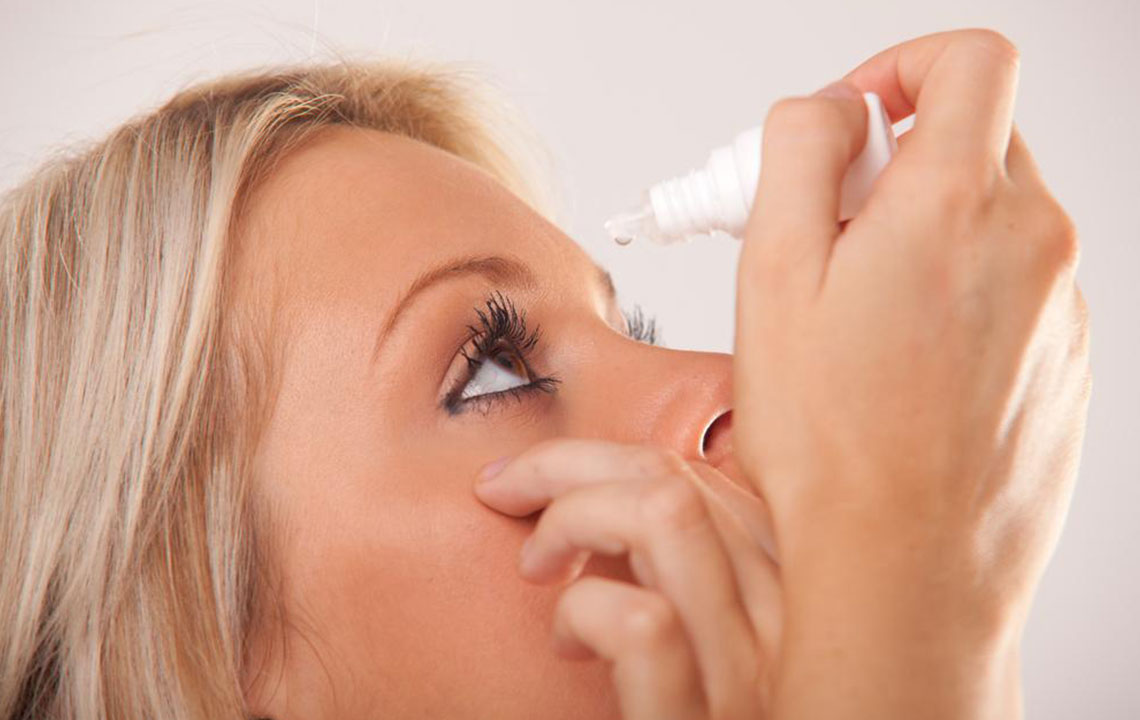
Effective Solutions to Relieve Dry Eyes
Many individuals, particularly middle-aged and older adults, experience dry eyes. In the U.S., over 4.88 million people in their 50s suffer from this issue, with women more affected than men. Hormonal changes during pregnancy, menopause, or from contraceptives increase susceptibility. Age, environmental factors, certain medications, and health conditions also play a role. Accurate diagnosis and appropriate treatment are key for relief.
Dry eye symptoms can stem from environmental dryness, prolonged screen exposure, or health issues. Some medications, like antihistamines, may worsen dryness. Fortunately, various treatments are available, mainly eye drops. Doctors may prescribe specific formulations or suggest over-the-counter options based on severity.
Common approaches to soothe dry eyes include:
Artificial tears help maintain moisture; choosing the appropriate type is important.
Cyclosporine eye drops promote tear production and are effective when used as directed.
Lifitegrast, a prescription medication, reduces eye inflammation and can provide relief.
Severe cases may benefit from autologous serum drops made from the patient's own blood for personalized care.
Sometimes, combining therapies or ointments with eye drops enhances comfort.
When selecting eye drops, keep these tips in mind:
Always consult an eye specialist before trying over-the-counter products.
Avoid redness-relief drops, as they don’t treat dryness effectively.
If you have glaucoma or other eye conditions, seek medical advice first.
Choose products with suitable ingredients for your eyes; what works for one may not for another.
Opt for preservative-free drops if you have sensitive eyes to prevent irritation.
Factors Contributing to Dry Eyes
Environmental elements like dust, dry air, and screen use can cause dryness.
Persistent dry eye may require prescription treatments over OTC options.
Health issues or medication side effects can lead to dryness. Discuss alternatives with your doctor if needed.