Top Approaches to Managing Sleep Apnea and Ensuring Restful Nights
Discover effective strategies to manage sleep apnea, including lifestyle changes, bedtime habits, and medical interventions. Early diagnosis and proper treatment can enhance sleep quality, boost energy, and improve overall well-being. Consult healthcare professionals for personalized advice and options tailored to your needs.
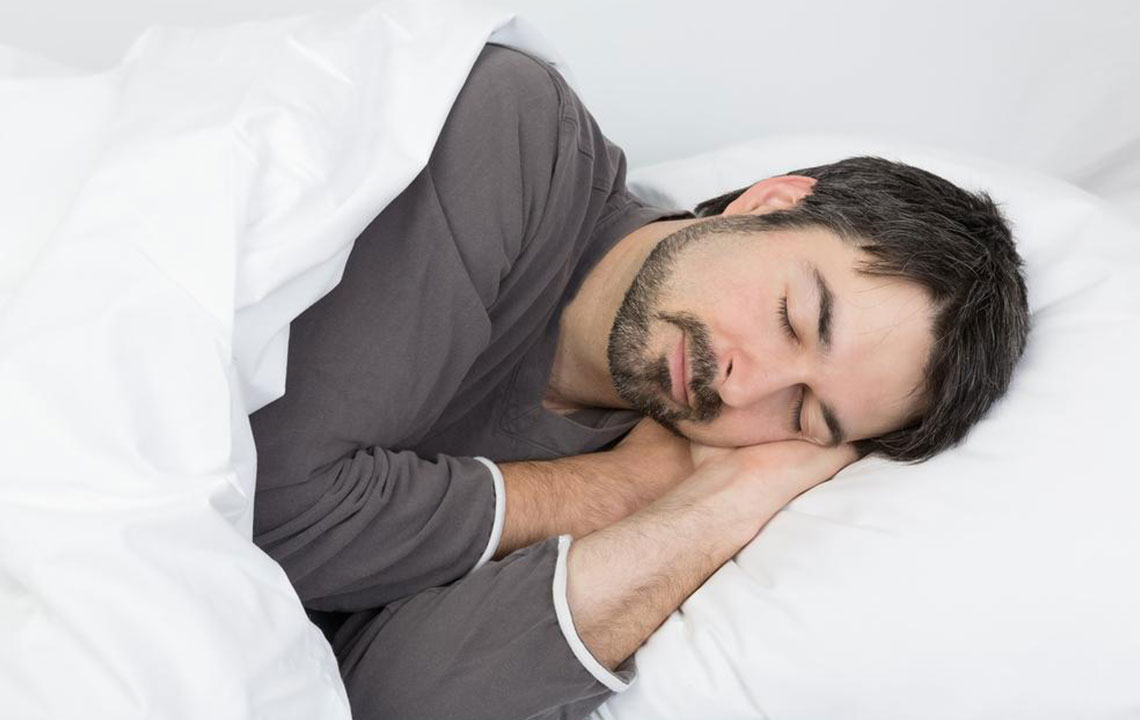
Many individuals experience loud snoring, but ongoing snoring could indicate sleep apnea—a condition that causes fatigue despite adequate sleep. Left untreated, sleep apnea can affect mood and increase health risks. Early recognition of symptoms is essential, followed by exploring home remedies or seeking medical advice for proper diagnosis and personalized treatment plans. Effective management improves sleep quality and energizes daytime functioning. Understanding the types of sleep apnea and available therapies can help you take control of your sleep health.
Understanding Sleep Apnea
Sleep apnea involves temporary breathing stops during sleep, leading to fragmented rest and daytime fatigue. Many are unaware of these episodes, which can lower productivity and impact health. Proper diagnosis of the specific type is crucial for effective treatment.
Types of Sleep Apnea
The most common form is obstructive sleep apnea, where relaxed throat muscles block airflow, often causing loud snoring. Central sleep apnea, less frequent, results from brain control issues over breathing muscles, typically without snoring. A mixed type combines features of both.
Depending on severity and type, treatment options range from lifestyle changes for mild cases to medical interventions for persistent symptoms.
Home and Lifestyle Strategies
Lifestyle modifications can reduce mild symptoms: maintaining a healthy weight, quitting smoking, and limiting alcohol intake decrease airway inflammation and muscle relaxation. Eating lighter meals before bed and keeping a consistent sleep schedule also contribute to better sleep.
Bedtime Tips for Improved Sleep
Simple habits can make a difference:
Sleep on your side to prevent airway obstruction.
Elevate your head with pillows to facilitate airflow.
Use nasal strips or saline sprays to keep nasal passages clear.
Chewing gum before bed might help keep your mouth closed during sleep.
If these measures do not help, consult a healthcare professional for further assessment and treatment options.
Medical Treatments for Sleep Apnea
Treatment depends on diagnosis and severity, including:
CPAP therapy with a mask delivering continuous airflow to prevent breathing interruptions.
Devices like EPAP, BPAP, and ASV designed for different severity levels to promote easier breathing.
Oral appliances reposition the tongue and jaw to keep airways open.
Surgical options, such as airway enlargement or tissue removal, are considered when other treatments fail and carry potential risks.
Emerging treatments like nerve stimulators are available for severe cases.
Note: This website offers general health information based on current research. It is not a substitute for professional medical advice. Always seek guidance from a healthcare provider for diagnosis and personalized treatment plans. The site does not cover all sleep apnea treatment options or offers.