Effective Approaches to Alleviate Sciatica Discomfort
Discover effective strategies to treat sciatic nerve pain, including physical therapy, medication, natural remedies, and surgical options. Learn how to manage symptoms through targeted stretches, hot and cold therapy, and lifestyle adjustments for faster recovery and relief.
Effective Approaches to Alleviate Sciatica Discomfort
Approximately 25% of people experience sciatic nerve pain at some point in their lives. The sciatic nerve originates from the lower spine, passing through the buttocks and pelvis, then extending down the back of the thighs, knees, and into the feet as it branches out.
Understanding Sciatica
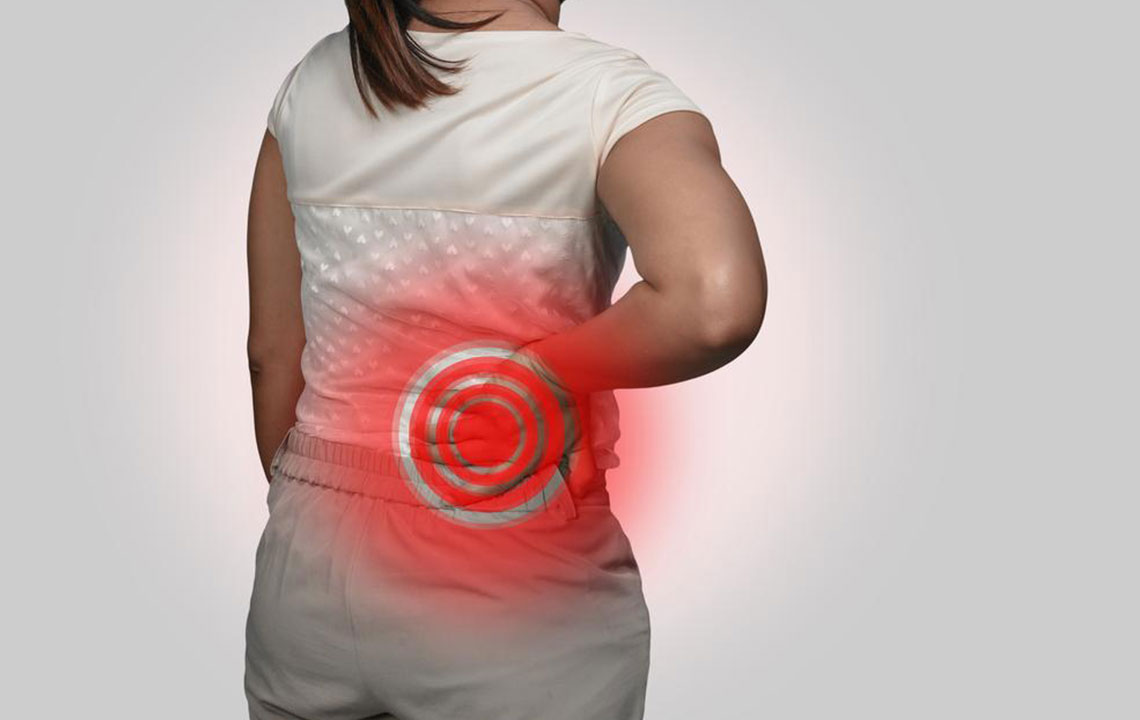
Pressure or irritation on the sciatic nerve causes pain that often radiates to the buttocks and back of the thighs. Symptoms range from mild aches to burning sensations, often accompanied by tingling, weakness, or numbness. Factors like prolonged sitting, lifting, twisting, coughing, or sneezing can worsen symptoms. Treatment options include applying heat or cold packs, medications, targeted exercises, and natural remedies.
Physical Therapy and Stretches
Minor cases of sciatica often improve within a few weeks through pain relievers or natural methods. Customized physical therapy focusing on stretching and strengthening can reduce nerve pressure by enhancing posture. Gentle lower back stretches are particularly effective for pain relief.
Activity and Rest Balance
Limited bed rest is crucial. Short walks help decrease inflammation. When resting, use a firm mattress or place a board under the mattress for support. Avoid extended bed rest to promote quicker recovery.
Hot and Cold Treatments
Applying alternating hot and cold packs to the lower back for several minutes multiple times daily can ease discomfort. Cold packs are recommended initially, followed by heat therapy as needed.
Medicinal Options for Sciatica
Medication plays a key role in managing sciatic pain. Over-the-counter painkillers, muscle relaxants, and in severe cases, prescribed antidepressants or opioids help reduce symptoms. In some cases, doctors may perform nerve root injections for targeted relief, especially with herniated discs exerting pressure.
Alternative and Holistic Therapies
Many opt for treatments like acupuncture, massage therapy, biofeedback, and yoga to naturally diminish pain.
Surgical Solutions
If conservative treatments do not work after several months, surgery might be necessary, performed in about 5% to 10% of cases. Procedures such as discectomy or laminectomy remove tissue or herniated discs pressing on nerves. Rarely, cauda equina syndrome—a condition affecting bladder and bowel function—requires immediate surgery.
Choosing the right approach depends on the severity of symptoms and individual response. Usually, healthcare providers combine various methods for effective sciatic nerve pain management.