The Popular Evolution of the Classic Holiday Sweater
This article explores the evolution of Christmas sweaters from perceived tackiness to trendy holiday fashion. It highlights their cultural significance, celebrity influence, and global popularity, capturing the festive spirit and playful charm that define this seasonal trend.
The Popular Evolution of the Classic Holiday Sweater
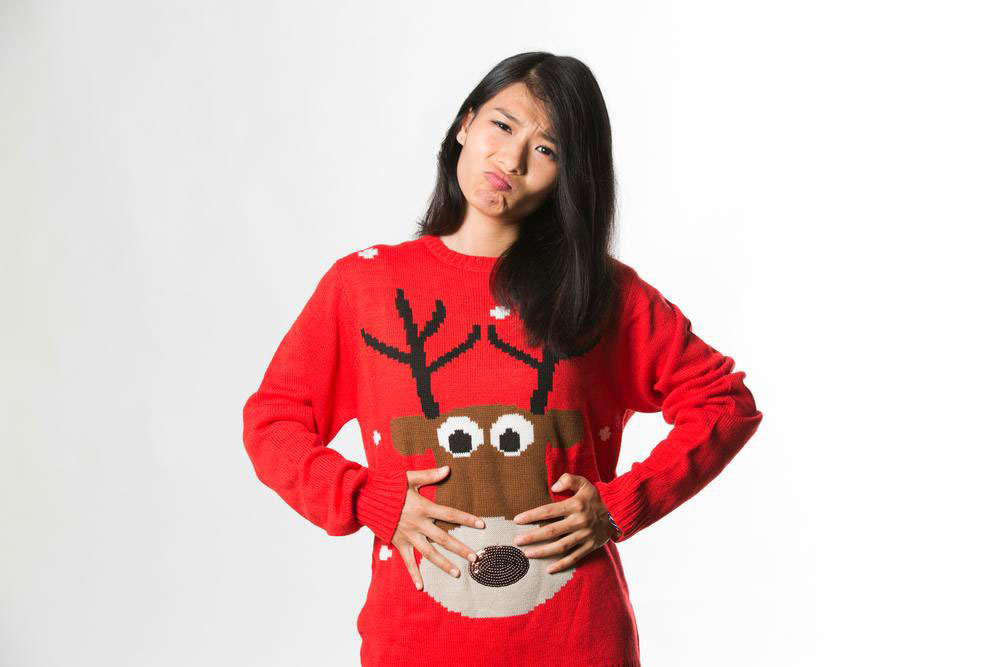
Holiday sweaters once considered unattractive have now become a festive fashion trend, gaining popularity each year. These sweaters feature playful Christmas images such as snowmen, reindeer, and elves, often decorated with felt patches and accessories that add charm. While their origins date back over a century, it’s only recent decades that they have become mainstream culture symbols. Celebrities and fashion retailers now endorse these vibrant, humorous sweaters, making them a must-have for holiday celebrations worldwide.
Fashion icon Bill Cosby played a key role in boosting the sweater’s popularity during the 1990s. After a dip in popularity, they returned to prominence in the early 2000s, thanks to publications like The Ugly Christmas Sweater Party Book. Today, bold and stylish versions are showcased by brands such as H&M, blending tradition with trendiness.
Holiday sweater parties have become a seasonal sensation, encouraging people of all ages to wear their most eccentric knitwear. These sweaters are often decorated with bows, frills, and exaggerated designs to enhance their playful, kitschy appeal. The trend has attracted media attention, with late-night hosts like Jimmy Fallon featuring it through segments such as “The 12 Days of Christmas Sweaters.”
Beyond the US, pop culture figures like Colin Firth, with his iconic Christmas sweater in Bridget Jones's Diary, helped popularize the look in the UK. Overall, these sweaters symbolize warmth, fun, and nostalgia, embodying the joyful spirit of the holiday season.