Comprehensive Guide to Shingles: Causes, Symptoms, and Treatment Strategies
This article offers an in-depth look at shingles, including its causes, symptoms, risk factors, and treatment options. It highlights the importance of immune health, explains how shingles spreads, and provides dietary and natural remedy tips. Understanding shingles can help individuals recognize symptoms early and seek proper care for faster recovery and prevention of complications.
Comprehensive Guide to Shingles: Causes, Symptoms, and Treatment Strategies
Have you experienced the itchy rashes and discomfort of chickenpox before? Sometimes, these symptoms can reemerge as shingles, a painful skin condition marked by blistering or itching on the face or torso. Mostly affecting adults, shingles is also known as herpes zoster. Around 1 million Americans develop shingles each year, with about one-third experiencing it during their lifetime. Reactivation of the virus, often due to weakened immunity, causes this condition.
Shingles occurs when the dormant varicella zoster virus becomes active again, especially in individuals with compromised immune systems.
What triggers shingles?
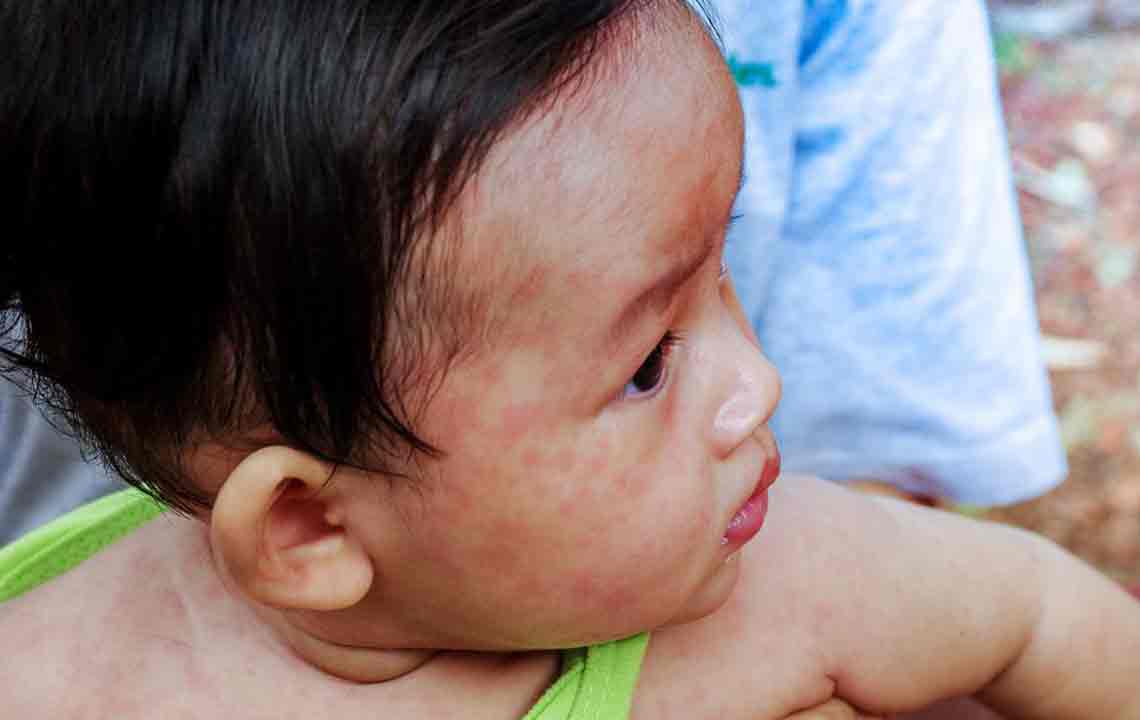
Initially, affected persons may feel a burning sensation, followed by itching and tingling. Soon after, rash patches develop in linear patterns on one side of the body, often along nerve lines, without crossing the midline. The blisters can open, dry out, and form crusts similar to chickenpox, but shingles predominantly affects adults. The virus reactivates when immune defenses weaken, even if you have had the chickenpox vaccine.
Important aspects of shingles
Spread occurs through contact with blister fluid.
It is contagious only during the blistering phase.
Coughs or sneezes do not transmit the infection.
Pregnant women and immunosuppressed individuals should avoid contact with shingles-affected persons.
Once blisters crust over, the virus is no longer contagious.
Factors increasing the risk of shingles
Older adults over 60, individuals with weakened immune systems, cancer patients, those with HIV, organ transplant recipients, and people with autoimmune disorders like Crohn’s or rheumatoid arthritis are more susceptible. Stress can also trigger outbreaks.
Shingles treatment options
Calamine lotion
Cold compresses
Colloidal oatmeal baths
Baking soda or cornstarch pastes
Medicines including soothing lotions, capsaicin creams, and regular bathing
Shingles usually lasts from 2 to 4 weeks, potentially longer if health is compromised. A diet high in vitamins A, B-12, C, E, and the amino acid lysine promotes recovery. Recommended foods include eggs, poultry, leafy greens, vibrant fruits, wild fish, dairy, grains, beans, tomatoes, and spinach.
Foods to steer clear of involve saturated fats, arginine-rich items like chocolate and nuts, sugary snacks, canned foods, and refined carbs. Some home remedies like herbal supplements and natural oils—such as melatonin, St. John’s wort, oregano oil, echinacea, lemon balm, green tea, and essential fatty acids—may assist recovery. Since individual responses vary, consulting a healthcare professional is vital for tailored treatment. Maintaining a balanced lifestyle and nutritious diet, in conjunction with medical care, can support full healing.