Top Methods for Treating Nail Fungal Infections Effectively
Discover effective strategies to treat nail fungal infections, including natural remedies, medications, and surgical options. Learn about causes, symptoms, diagnosis, and tips for faster recovery. Expert guidance ensures safe and tailored treatment for all severity levels and underlying conditions.
Understanding Approaches to Heal Nail Fungal Infections
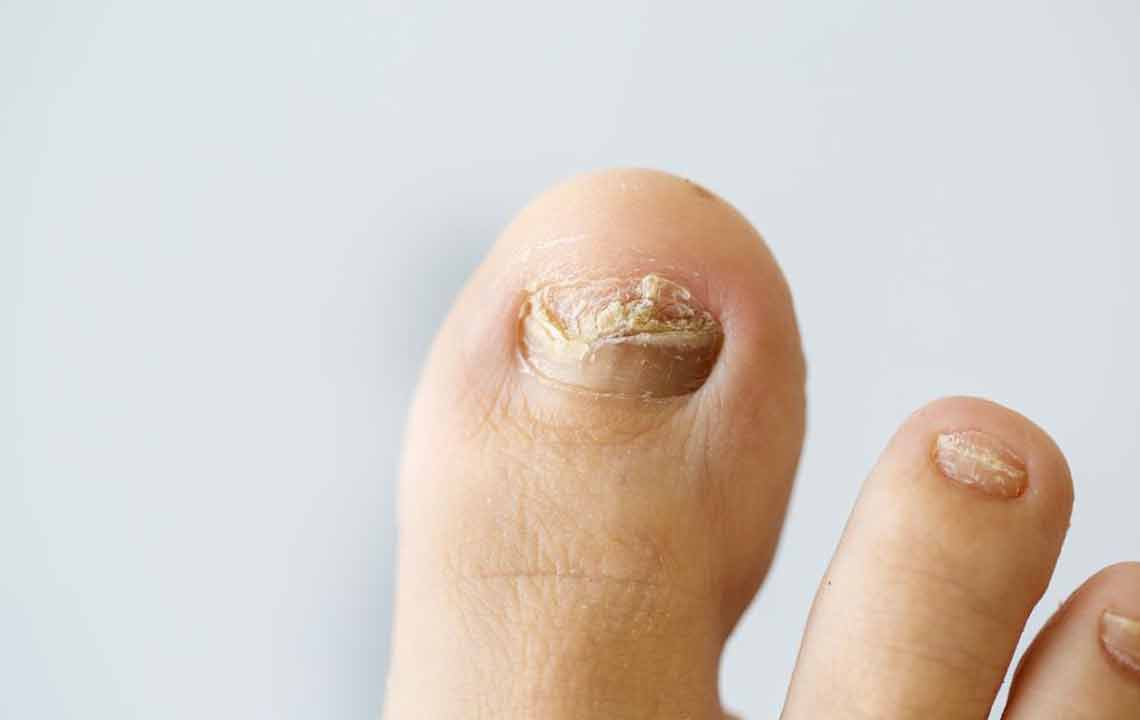
Nail fungus usually starts as a white or yellowish spot near the nail tip. Over time, it causes nails to thicken, discolor, and sometimes hurt. If left untreated, the infection can spread to other nails. The fungus enters through cuts or cracks in the skin and thrives in warm, moist conditions like toes enclosed in shoes. Different fungi affect various parts of the nail, leading to separation from the nail bed, foul odor, and discomfort.
Causes of Nail Fungal Infections
Fungal infections develop gradually in humid, warm environments, often known as onychomycosis. Dermatophyte fungi are typically responsible. Factors such as aging (slower nail growth and reduced blood flow), excessive sweating, family history, contact with infected individuals, and exposure to moist settings like swimming pools or kitchens increase risk. Toenails are especially vulnerable due to their enclosed environment in shoes and decreased circulation, making it harder for the body to fight fungi.
Symptoms to Watch For
Thickened nails
Brittle, crumbly, or jagged nails
Nail deformation
Lack of shine
Dark debris under the nail surface
How to Diagnose Nail Fungal Infections
A healthcare provider examines the infected nails and may scrape off debris for lab testing to determine the culprit and specific fungi involved.
Natural and Herbal Treatments for Fungal Nails
Maintain nail hygiene—file affected nails, soak in water, dry thoroughly, and apply medicated creams or ointments.
Use Vicks VapoRub—consistent application can help eliminate the infection.
Trim nails regularly—shaping and thinning thick nails allow better medication absorption and reduce discomfort.
Apply urea cream—cover nails overnight to soften and treat the infection effectively.
Medical and Surgical Options
Surgical removal—reserved for severe cases to extract infected nails and promote new growth.
Laser therapy—uses carbon dioxide lasers combined with antifungal medications; however, it can be costly and less accessible.
Seek advice from healthcare professionals for accurate diagnosis and personalized treatment plans. People with diabetes or other underlying conditions should manage infections carefully to prevent complications like persistent pain or permanent nail damage.