Selecting the Best Tennis Elbow Support: When and How to Use It Effectively
Learn how to choose the ideal tennis elbow support with insights on different types of braces, when to use them, and tips for proper fitting. This guide helps athletes and active individuals manage elbow injuries effectively and safely, promoting faster recovery and injury prevention.
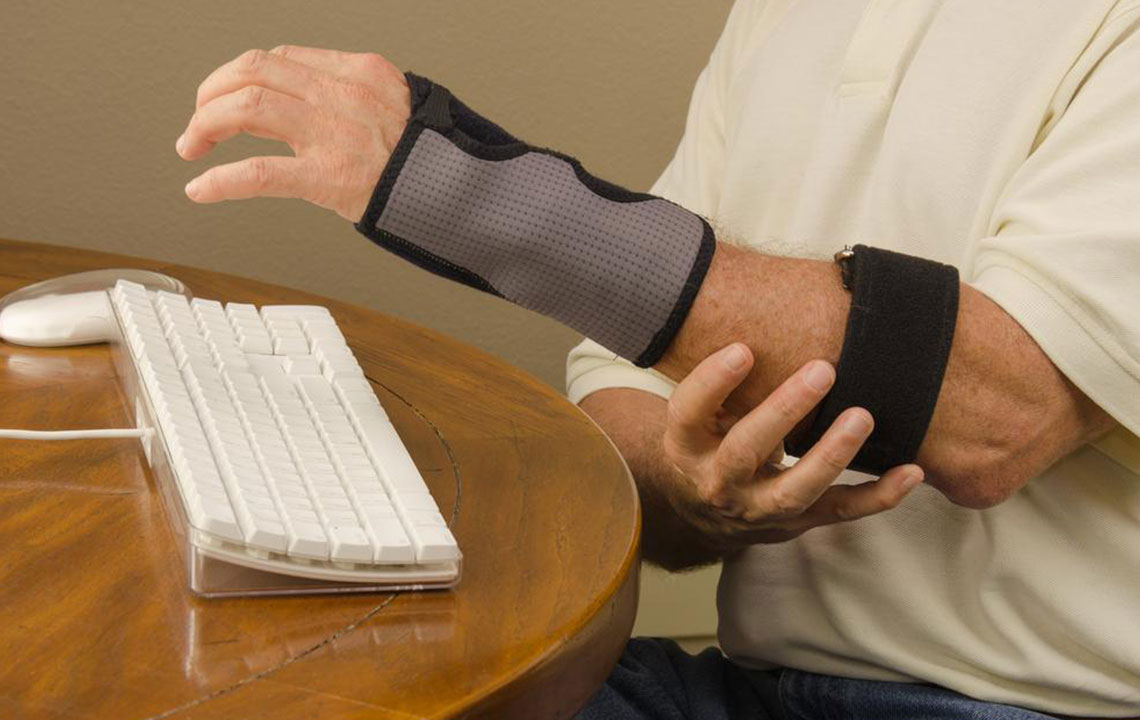
Selecting the Best Tennis Elbow Support: When and How to Use It Effectively
Persistent tennis elbow, medically called lateral epicondylitis, can cause ongoing discomfort. To ease symptoms, many individuals turn to specialized straps or braces designed for tennis elbows. These supports vary in style and size, tailored to match the severity of the injury. Properly fitted braces help decrease muscle strain, facilitate healing, and prevent further damage. The choice of support depends on your activity level and specific elbow needs—whether for everyday activities or sports performance.
There are three primary types of tennis elbow supports:
Epicondylitis Wraps: These require precise fitting for the best results and tend to be higher priced. Made with plastic clasps, they wrap around the arm and exert pressure on the muscle just below the elbow, reducing strain on the affected tendons. Proper placement is essential, making them popular among professional athletes needing accuracy.
Elbow Straps: Cost-effective and adaptable, these straps wrap around the forearm or just underneath the elbow. Often padded, they aim to redistribute force, alleviating pain points and supporting movement. They're easy to adjust and suitable for various activity levels, though they may offer less precise pressure application.
Elbow Sleeves or Braces: Covering the whole elbow, these provide warmth and general compression. Ideal for minor injuries or mild discomfort, they offer comfort and support. Proper fit is important, as some users may find them snug or restrictive.
Wearing the support correctly is crucial—place it on the widest part of your forearm and use during activities that might worsen your condition. A proper brace can reduce pain, improve grip strength, and accelerate recovery. If pain continues despite wearing support, consult a healthcare professional to rule out more serious issues or misdiagnosis. Self-treatment without guidance can worsen the problem. Always seek professional advice to choose the appropriate support for your injury.
Ultimately, the right tennis elbow support depends on your injury type and activity demands. Consulting a healthcare provider before purchasing ensures proper fit and effective healing support.