Vital Tips for Preparing Before Your DNA Analysis
Explore essential considerations before taking a DNA test, including understanding test types, privacy concerns, and selecting reliable providers. This guide helps you prepare for meaningful genetic insights.
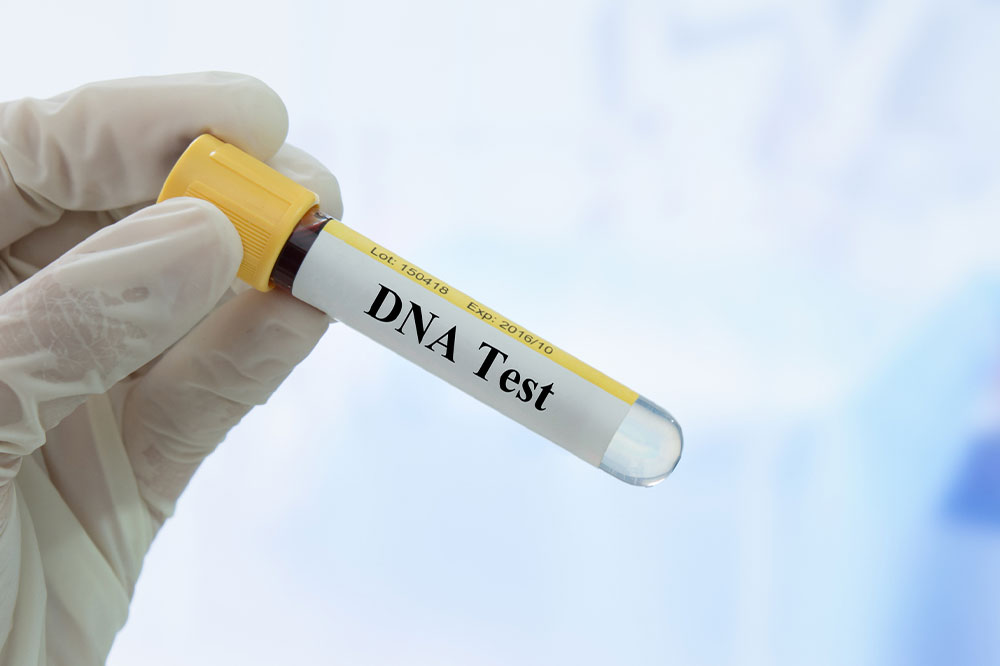
Pre-Testing Knowledge You Should Have
DNA, or deoxyribonucleic acid, encodes our genetic instructions that influence health, appearance, and inherited traits. Although DNA testing is becoming more popular, many are still unfamiliar with its details. Understanding the process and its potential outcomes is essential before proceeding.
Besides common sampling methods like saliva or hair, here are key points to consider prior to testing:
Grasp What DNA Testing Covers
DNA tests can reveal more than just ancestral origins; they can provide information about health risks, physical traits, and genetic capabilities. Be aware that some providers may store your data for research, impacting privacy. Many individuals seek to uncover familial connections and unknown relatives.
Privacy and Ethical Considerations
While beneficial, DNA testing involves privacy risks since genetic information is highly personal. Potential issues include data breaches and surprising results, such as misidentified parentage, which can cause emotional upset.
Choosing a Trusted Testing Service
Selecting a reputable provider is vital. For ancestry analysis, look for companies with large databases to improve accuracy. For health-related insights, choose those experienced in medical genetics.
Understanding the Basics
Knowing the fundamental structure of DNA helps in interpreting test outcomes accurately. DNA is inherited from both parents, containing the blueprint for your biological makeup.
Types of DNA Tests to Consider
Familiarize yourself with autosomal, mitochondrial (mtDNA), and Y-DNA tests. Autosomal tests are most common, applicable to all genders, and offer broad findings. Each test type serves different purposes depending on your objectives.