Comprehensive Guide to Setting Up a Home Theater System
This guide covers essential aspects of setting up a home theater system, including affordable equipment options, differences between LED, LCD, and OLED displays, and HD resolution standards. It aims to clear common misconceptions and help users make informed choices for immersive entertainment at home.
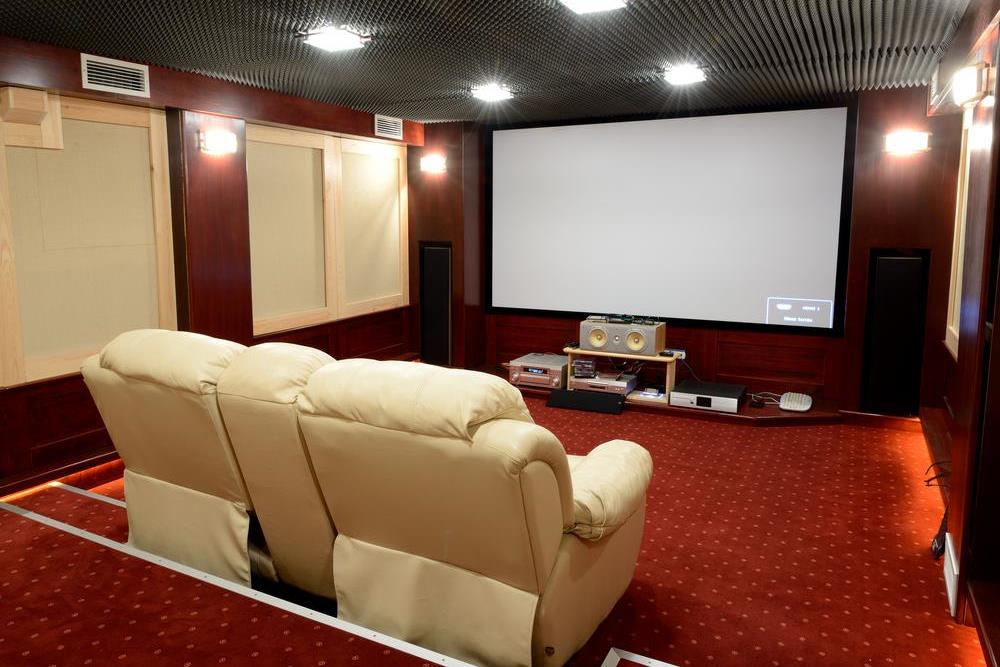
Comprehensive Guide to Setting Up a Home Theater System
Important facts about home entertainment systems
Upgrading to a quality home theater can dramatically improve your viewing experience, whether you're a casual viewer or an enthusiast. These systems are increasingly popular among families seeking immersive audio-visual entertainment. For regular TV viewers, investing in a home theater is almost essential, while occasional viewers use them to enhance their viewing pleasure. As popularity rises, misconceptions about choosing the right equipment often circulate.
Debunking common myths about home theaters with these facts:
Affordable options are available
Excellent audio-visual quality doesn’t require high prices. While premium setups are luxurious, budget-friendly alternatives can deliver great performance. Building a home theater on a budget involves selecting individual components and upgrading gradually.
At a minimum, a dependable flat-screen TV and a surround sound system are necessary. You don’t have to invest heavily in fancy furniture or advanced technology when starting out.
LED TVs and LCDs share technology
Although LED TVs are popular, they are built on the same core tech as LCD screens. The primary difference is that LED TVs use LED backlighting to boost brightness and save energy, but the display technology itself remains similar.
OLED displays have unique characteristics
Unlike LED or LCD panels, OLED screens have self-lighting pixels, enabling thinner designs and better color accuracy. They can switch off individual pixels, providing true blacks and vibrant colors. Though more expensive, OLED models are becoming more affordable and are a premium choice for home theaters.
720p is considered HD quality
Picture quality heavily influences viewing enjoyment. Many believe only 1080p qualifies as HD, but 720p also offers high-definition clarity at a lower cost. Other high-res options include 1080i and 1080p, with 1080p offering the best quality, yet 720p remains a practical option for budget-conscious setups.