Guide to Selecting the Ideal Smart TV for Your Home
This comprehensive guide helps consumers select the right smart TV by discussing key factors, benefits, features, potential limitations, and alternatives. It emphasizes understanding what makes a TV 'smart' to ensure a satisfying entertainment experience tailored to individual needs.
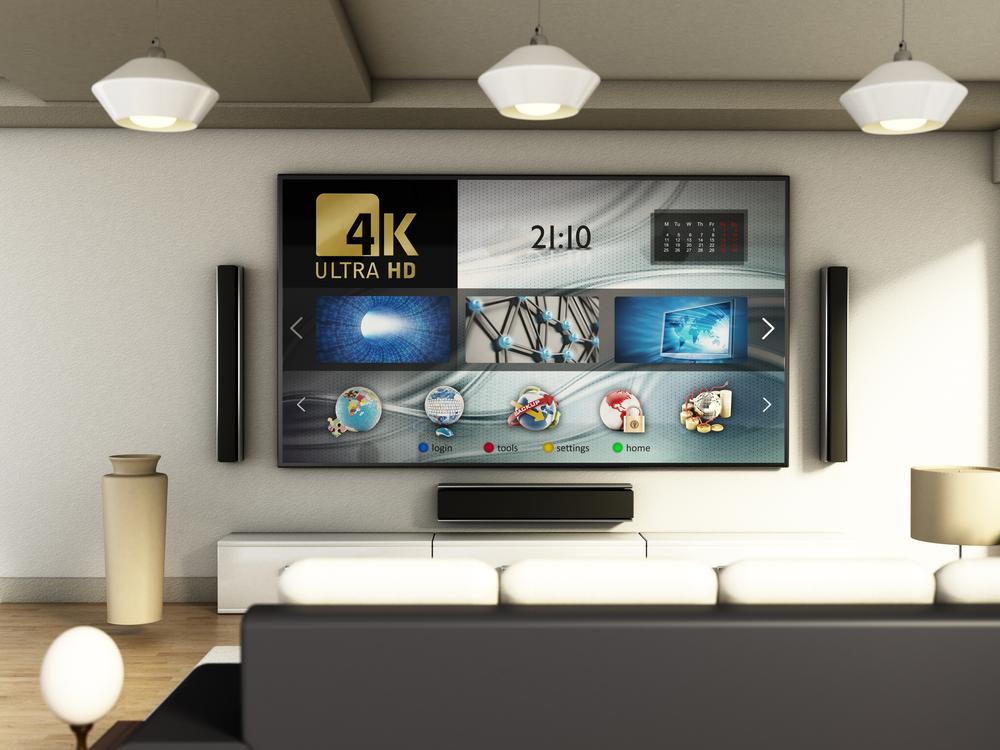
Essential Aspects to Consider When Picking a Smart Television
Choosing the right TV involves evaluating key factors like display size, audio quality, picture sharpness, and connectivity options. An increasingly important consideration is whether the TV is a smart device. Recognizing what defines a smart TV helps consumers make better purchasing choices, ensuring their entertainment needs are met with the best technology available.
Understanding Smart TVs
A smart TV is a digital entertainment device with an integrated operating system that allows users to stream media, browse the internet, and control content directly on the device, often with built-in apps or external peripherals.
The internet connectivity via Wi-Fi or Ethernet enables the smart TV to access online content by logging in with user credentials provided by service providers. Once connected, users see a menu of channels and apps, many pre-installed or available for download. Navigation varies depending on the brand and operating system, offering various streaming options.
Advantages of Smart TVs
Smart televisions provide multiple benefits, including access to a wide array of streaming channels without additional hardware like antennas or cable boxes, often without extra fees. Many models also support browsing the web and gaming features. Brands like Vizio have shifted focus from traditional tuners to emphasize streaming capabilities.
Additional Functionalities
Features like Miracast or Screen Sharing allow users to display mobile device content on the TV. Some models support remote media sharing, enabling media access even when away from home.
Possible Drawbacks
Though versatile, smart TVs tend to be more expensive and may require subscriptions for services such as Netflix or Pandora. Features and channel availability can differ across brands. For iTunes users, an external Apple TV device might be needed, as native support is limited. A common annoyance is the 'recently watched' menu, which may show unwanted content unexpectedly.
Are There Other Options?
For those on a budget, upgrading an existing TV with streaming devices or HDMI adapters is a practical alternative. Devices like Blu-ray players and DVRs can also improve viewing options, providing access to physical media and internet streaming without a full TV replacement.