Comprehensive Guide to Gout: Symptoms, Causes, and Treatment Options
This article provides an in-depth overview of gout, explaining its symptoms, causes, risk factors, and treatment strategies. It emphasizes early diagnosis and lifestyle modifications to effectively manage the condition and prevent joint damage.
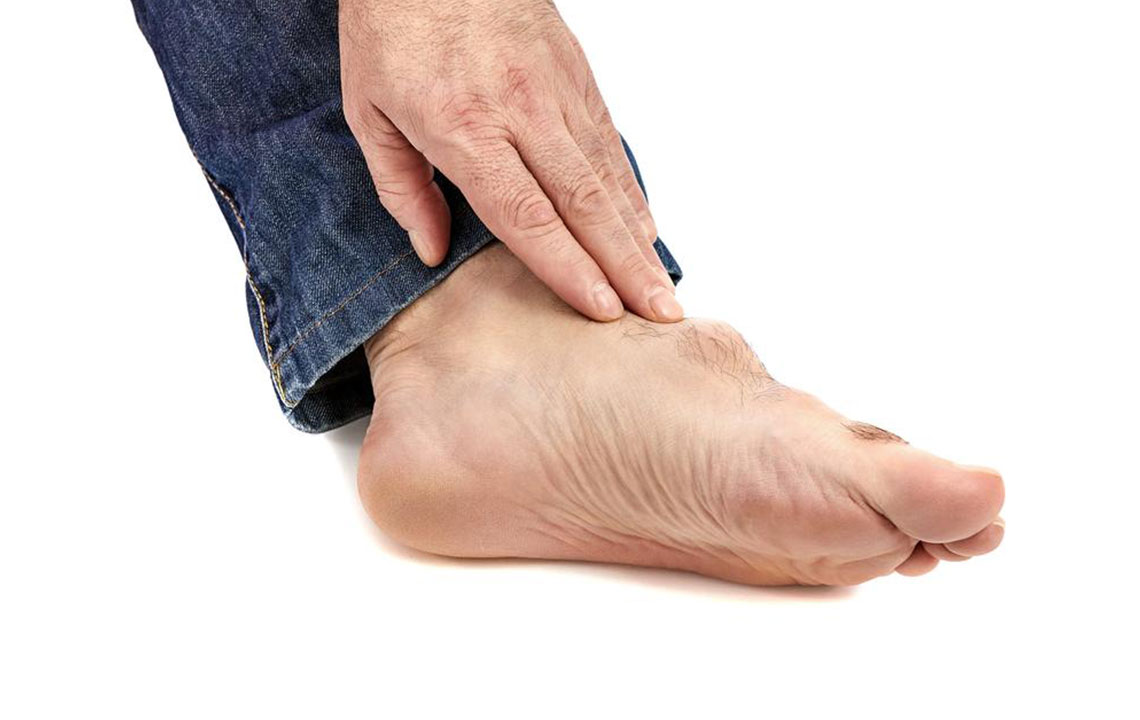
Comprehensive Guide to Gout: Symptoms, Causes, and Treatment Options
Gout is a type of inflammatory arthritis that causes sharp, sudden pain in joints, most commonly affecting the big toe but also impacting the knees and other areas. Recognizing early signs—such as rapid onset of pain, swelling, redness, and warmth—is crucial for prompt care. If left untreated, gout may impair joint mobility. The condition stems from the buildup of uric acid crystals, linked to high uric acid levels often due to diet, excess weight, or kidney problems. Factors like injuries, certain medicines, and lifestyle habits increase risk. Diagnosis involves blood tests, joint fluid analysis, and imaging. Treating gout includes lifestyle changes, including diet and weight management, alongside medication like NSAIDs and uric acid reducers. Early intervention helps prevent joint damage and improves daily living.