Complete Guide to Meniscus Injury Treatment and Rehabilitation
This comprehensive article explores meniscus injuries in the knee, highlighting causes, symptoms, diagnosis, and treatment options. It emphasizes conservative management for minor tears and surgical repair for severe cases. The guide provides essential tips for prevention, recovery, and rehabilitation, helping patients restore knee function effectively. Whether you're an athlete or a regular individual, understanding these insights can aid in timely treatment and optimal recovery from meniscus damage.
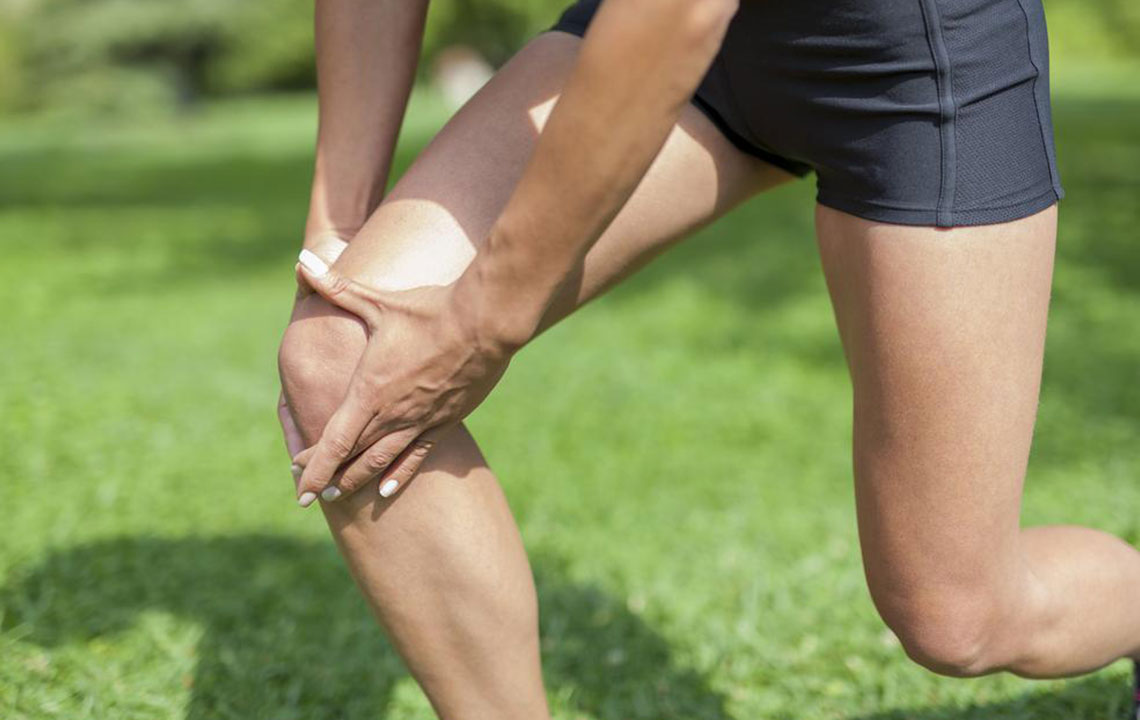
Understanding Meniscus Injury Management and Healing Processes
The meniscus is an essential cartilage structure within each knee joint, acting as a shock absorber between the femur and tibia. Tears or damage to this cartilage can occur during sports, sudden movements, or lifting heavy objects. Athletes in football, basketball, soccer, and tennis are particularly prone, but injuries can also happen from everyday activities like squatting or twisting. Treatment options vary based on the severity, from conservative home care to surgical repair.
Preventive strategies include proper exercise techniques and cautious sports practices to lower injury risks.
All age groups—children, teens, and seniors—are susceptible to meniscus tears. Younger individuals may sustain injuries during sports, while aging weakens cartilage, making those over 30 more vulnerable to simple movements like squatting or slipping. People with osteoarthritis are also at higher risk of cartilage injuries.
Symptoms often include knee pain, swelling, limited mobility, instability, and clicking or locking sensations. Prompt consultation with a healthcare provider is crucial for accurate diagnosis, which may involve physical examination and imaging like MRI, X-ray, ultrasound, or arthroscopy. Early diagnosis facilitates effective treatment.
Mild to moderate tears can often be managed conservatively with rest, ice, compression, and elevation. Avoiding activities that cause pain, using crutches, and applying ice regularly can promote healing. Anti-inflammatory medications and physical therapy can further aid recovery by reducing stiffness and restoring mobility.
Severe tears might require surgical repair, typically performed via minimally invasive arthroscopy. This procedure involves small incisions and the use of specialized tools and a camera to fix the torn meniscus. The surgery usually lasts about an hour, with patients usually discharged the same day. Rehabilitation generally begins within a few weeks, gradually resuming normal activities following medical guidance.
Recovery durations depend on age, health status, and the specific procedure performed. Patients with conditions like arthritis might experience longer recovery periods, with initial swelling and pain. Applying ice, compression, and adhering to post-surgery instructions help lessen inflammation. Avoiding strenuous activities such as heavy lifting or running for about a month post-operation is key to successful healing. Proper care and management enhance the chances of returning to pre-injury activity levels.