Proven Methods and Natural Remedies for Shingles Relief
This article explores effective medical treatments and natural remedies for managing shingles, a painful reactivation of the chickenpox virus. It covers medications, home therapies, and dietary tips to alleviate symptoms, prevent complications, and support immune health. Suitable for individuals seeking relief from shingles discomfort, the guidelines emphasize prompt intervention and natural supportive care strategies.
Proven Methods and Natural Remedies for Shingles Relief
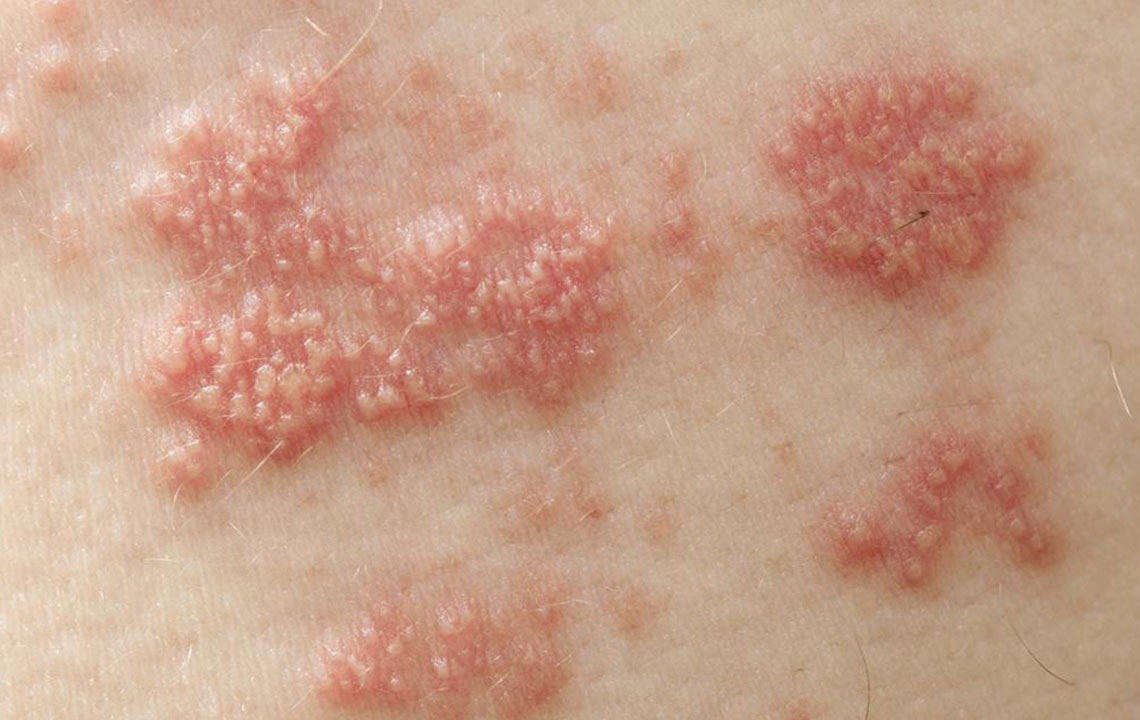
Shingles is a painful skin disorder caused by the reactivation of the Varicella Zoster virus, which presents as a band or streak of rash on the face or body. Also known as herpes zoster, it predominantly affects older adults and individuals with weakened immune systems due to stress or illness.
Understanding what causes shingles can help in effective management. After recovering from chickenpox, the virus remains dormant in nerve cells. When immunity declines, it can reactivate, resulting in shingles. While the exact trigger isn't fully understood, reactivation causes the characteristic rash. The virus can also spread to those without prior chickenpox or vaccination, making prevention crucial.
Shingles occurs when the dormant chickenpox virus reactivates and resurfaces in nerve tissues, often triggered by immune suppression.
Although there is no cure for shingles, various treatments can reduce symptoms, shorten duration, and lower the risk of complications.
Antiviral drugs are the main treatment, reducing pain and promoting faster healing when started within three days of symptoms. Additional options like antidepressants and topical agents can help manage ongoing pain.
In severe cases, corticosteroids combined with antivirals may be advised if symptoms are intense or persistent.
Postherpetic neuralgia (PHN), persistent pain after one month, affects about 15–20% of patients. OTC topical anesthetics and antidepressants can provide relief.
In complications like disseminated zoster, antiviral and antibiotic therapies are essential to control widespread rash and prevent organ involvement.
Herpes zoster ophthalmicus affects the eyes, potentially impairing vision. Treatment includes antivirals, rest, and cool compresses.
Nerve involvement near the brain can cause severe issues; prompt medical treatment tailored to affected nerves and organs is vital.
Natural therapies may help ease symptoms:
Taking lukewarm baths with colloidal oatmeal or cornstarch can reduce itching and irritation. Hot water should be avoided as it can worsen blisters.
Applying cool, damp compresses several times daily can relieve discomfort. Avoid ice, which may increase skin sensitivity.
A paste of cornstarch and baking soda directly applied can soothe itching for about 15 minutes and can be repeated as needed.
Eating foods high in vitamins A, B-12, C, and E, including citrus fruits, leafy greens, eggs, and lean meats, helps strengthen the immune system and may prevent shingles from spreading.