Major Malware Threats That Compromise Your Computer Security
This article explores major malware threats that have historically impacted computer security. It highlights the infamous viruses Melissa, Conficker, and WannaCry, emphasizing the importance of cybersecurity. Regular system updates, security tools, and safe online habits are essential for protection. Understanding these threats aids in preventing data loss, system disruption, and network vulnerabilities.
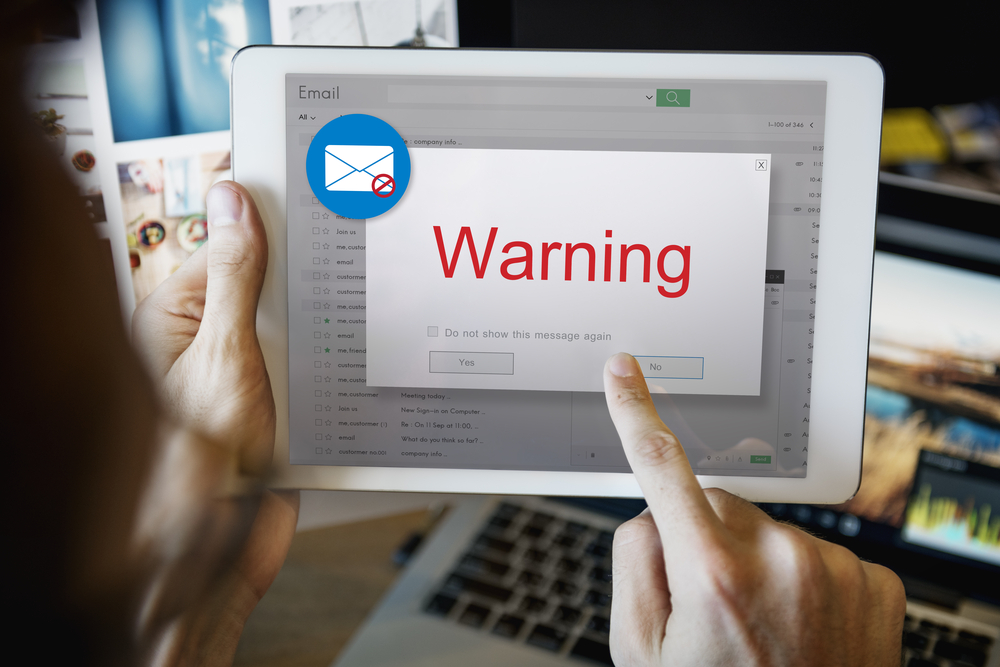
Malware infections have long posed risks since the rise of personal computers. While many believe these threats primarily spread online, older network systems are equally vulnerable. As technology advances, so does malware complexity, emphasizing the importance of strong cybersecurity practices. The most damaging viruses can rapidly spread and severely impact vital infrastructure like banks, airlines, and emergency services. Here are three historically notorious malware attacks that have caused widespread damage.
Melissa: During the late 1990s, Melissa exploited the dominance of Windows by targeting Word and Outlook programs. It spread via email attachments, automatically sending copies to contacts and causing email server overloads, leading to temporary shutdowns for many organizations.
Conficker: First discovered in 2008, Conficker is a resilient malware that uses advanced techniques to avoid detection. It exploited Windows security flaws, infected millions, and built a botnet network. It modifies security settings, disables backups, and allows remote control. Spread occurs through shared folders and removable drives; effective defenses include updates, strong passwords, and disabling AutoRun features.
WannaCry: Debuting in 2017, WannaCry was a major ransomware outbreak that encrypted files and demanded Bitcoin ransoms. Exploiting a Windows vulnerability, it rapidly infected healthcare, transportation, and other critical sectors worldwide. Although containment efforts were successful, it remains a concern. Staying protected involves keeping systems updated and deploying reliable antivirus solutions.
Safeguarding your computer from malware requires regular updates, security tools, and cautious online behavior. Awareness and proactive measures help prevent data loss and damage to your system.