Top Strategies for an Enjoyable RV Adventure Across the USA
Discover essential tips for planning a memorable RV road trip across the US. Learn about vehicle options, budget tips, and important travel regulations to ensure a safe and enjoyable adventure on the open road.
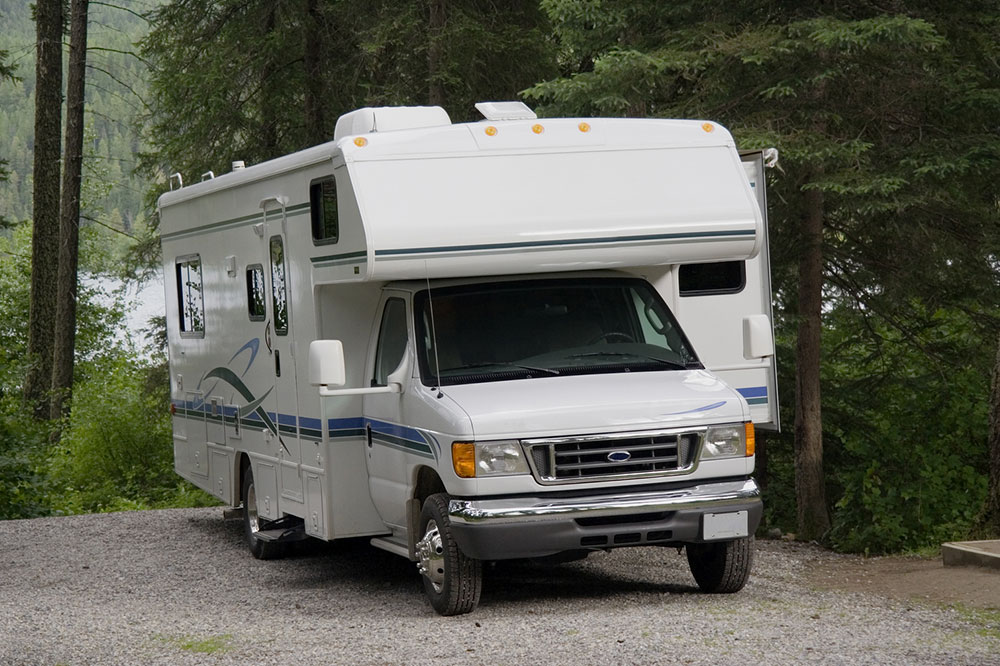
Guidelines for a Smooth RV Road Trip
Embarking on a road journey through the United States offers awe-inspiring views—from stunning coastal highways and rugged canyon landscapes to pristine beaches and iconic national parks. Picture exploring these natural wonders comfortably from a mobile home, enveloped in sunshine and scenic vistas. With the rise of travel popularity, especially among young explorers, road trips in an RV provide unmatched freedom and adventure, blending home comforts with the thrill of discovery.
Travel vehicles like RVs, campervans, and motorhomes combine transportation with living space, making cross-country trips economical and flexible. Their all-in-one design cuts expenses—fuel, nightly rentals, and food—by more than half. Equipped with kitchens, travelers can cook meals on the road, saving money and adding convenience. Renting an RV is an economical option, often including unlimited mileage and generator access, ideal for family or group adventures. Proper planning helps create unforgettable experiences, regardless of your budget.
RV rental costs vary based on factors like season and features. They come in different styles, brands, and sizes to suit diverse needs. Main categories include:
Class A / Luxury RVs: Premium, spacious units with full amenities such as kitchens, bathrooms, sleeping areas, and ample storage—perfect for larger groups.
Class B / Compact Motorhomes: Smaller, budget-friendly vans with essential features like showers and toilets, suitable for solo or couple travelers seeking efficiency, with rates starting around $100 per night.
Class C / Mid-Size Motorhomes: Built on truck or van chassis, these offer basic sleeping facilities, slide-outs, and minimal kitchen options for economical travel experiences.
When planning a road trip, understanding US driving laws is key. Notable points include:
The US highway system features major roads, interstates, and highways with distinct signage, speed limits, and mile markers.
States use unique highway numbering and symbols, often incorporating state-specific flags or shapes.
Right-hand driving is standard across all states.
Each state has rules about intersections, stop signs, and traffic signals—familiarize yourself with local regulations.
Hitchhiking or picking up roadside passengers might be illegal in certain regions.
Pay close attention to road markings and rules on right-of-way, which usually favors the first vehicle stopping.
Always follow posted speed limits, avoid speeding, and consider using GPS navigation tools.
Some states require specific licenses or permits for interstate RV travel.
Regulations on alcohol, phone use, and seat belts vary; adhere strictly to local laws.
Many states have toll roads accepting cash or electronic payments like E-ZPass—review rental policies for details.
Note:
Always verify current local laws and road conditions before your trip. Our guide provides general advice but should complement official sources and detailed planning. We are not responsible for any law changes or inaccuracies.