Foods That Can Harm Your Dog's Health
Learn about common human foods that can be dangerous for dogs, including chocolate, grapes, onions, raw eggs, and bones. This guide helps pet owners prevent accidental poisoning by understanding what to avoid feeding their pets, ensuring safe and healthy nutrition for your furry friends.
Foods That Can Damage Your Dog's Well-Being
As responsible pet owners, we aim to keep our dogs healthy and joyful by providing them with nutritious foods that support their dental hygiene, joint health, shiny coats, and energy. However, many human foods are unsafe for dogs. Recognizing harmful foods is crucial to prevent accidental poisoning or health issues.
If you often share your meals with your furry friend, steer clear of these dangerous foods:
1. Chocolate and caffeinated beverages
Chocolate contains theobromine and caffeine, which are highly toxic to dogs. Ingesting these substances can cause vomiting, diarrhea, seizures, rapid heartbeat, and even death in severe cases. Dark chocolates are particularly dangerous because of higher theobromine content. Even small doses can be perilous, especially for smaller breeds.
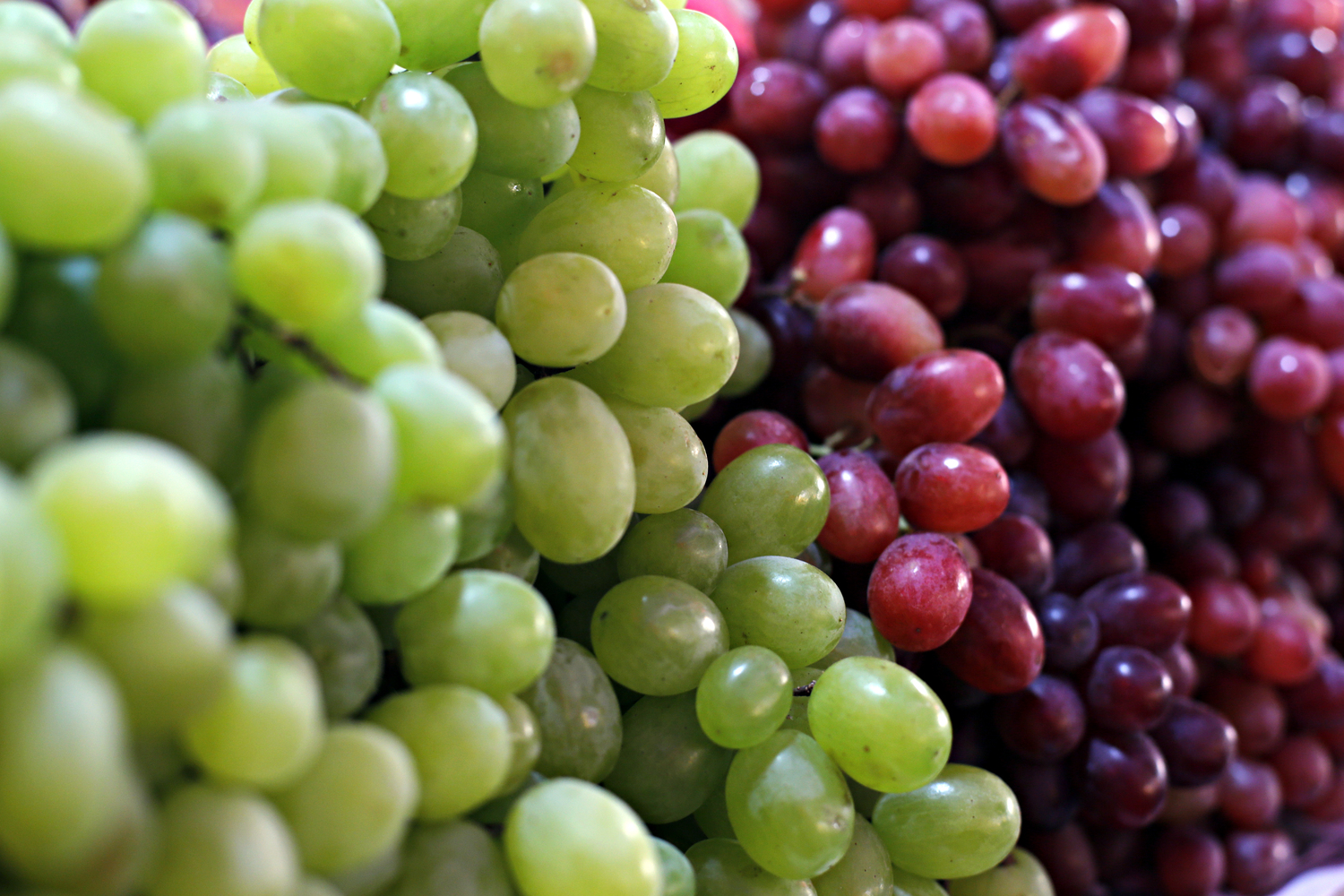
2. Raisins and grapes
This fruit can lead to acute kidney failure in dogs. A tiny amount might result in dehydration, kidney damage, or failure. To keep your pet safe, avoid offering grapes or raisins at all costs.
3. Onions and garlic
Both raw and dried onions and garlic contain compounds that damage red blood cells, resulting in anemia and other health complications. Every part of these plants—leaves, bulbs, powder, or juice—is toxic whether served raw or cooked. Keep these away from your pets.
4. Uncooked eggs
Though cooked eggs can be a healthy addition to your dog's diet, raw eggs pose health risks due to bacteria like Salmonella. Eating raw eggs may lead to nausea, vomiting, diarrhea, and stomach upset in dogs.
5. Raw meats and bones
Raw or cooked bones can splinter, causing internal injuries or blockages. Raw meat might carry bacteria such as Salmonella or E. coli, leading to food poisoning symptoms like fever, diarrhea, vomiting, and loss of appetite. Always seek veterinary advice before giving your pet treats or foods.
To keep your dog safe, it’s essential to know which foods are harmful. Consult your vet for recommendations on nutritious and safe diets to ensure your pet remains healthy and vigorous.