Affordable Storage Solutions: Tips and Strategies for Budget-Conscious Renters
Discover practical, budget-friendly storage options with expert tips on comparing units, choosing the right size, and leveraging discounts. Whether for moving, renovation, or decluttering, these strategies help maximize savings while ensuring secure storage for your belongings. Learn how location, lease flexibility, and additional perks can influence costs, enabling smarter storage decisions tailored to your needs and budget.
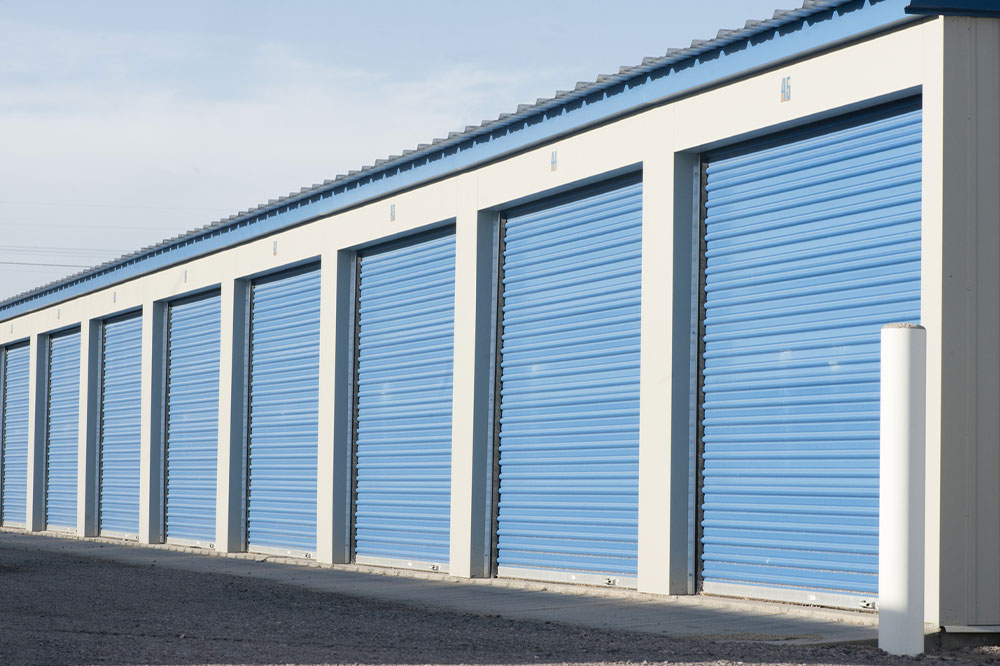
Affordable Storage Solutions: Tips and Strategies for Budget-Conscious Renters
As living spaces shrink and personal storage needs increase, discovering cost-effective storage options becomes essential. Self-storage units, available as lockers, rooms, containers, or outdoor spaces, offer secure and convenient ways to store your belongings. Renting a storage space can be ideal during moves, renovations, or traveling. With thorough research and strategic decisions, you can find storage solutions that fit your budget and requirements.
Tips to Save on Storage Rentals
Whether you're relocating, renovating, or reducing clutter, choosing the right storage unit can save you money. Patience and comparison shopping are key to securing affordable rates.
Compare Different Options
Research local storage providers online, review their sites, and compare prices, features, and sizes. Avoid settling for the first option; thorough comparison ensures better deals and minimizes frequent moves.
Consider Location Carefully
Storage prices vary by area. Units in less busy or suburban regions tend to be more affordable. Choose a location that's accessible to reduce travel expenses.
Choose Appropriate Size
Select a storage unit that perfectly fits your belongings without paying for unused space. Smaller units are less costly, so assess your needs accurately.
Opt for Flexible Leases
Look for facilities offering short-term, month-to-month, or automatic renewal options. Some providers offer prorated billing, so you pay only for the days you use.
Share Storage Space
Collaborate with friends or colleagues to share a unit and split costs.
Take Advantage of Discounts
Many providers offer introductory deals like free first months or online booking discounts. Always check for current promotions before committing.
Ask About Special Discounts
Check for discounts for military, students, seniors, or other groups. These offers are often available but require inquiring.
Look for Extra Benefits
Some facilities provide free moving trucks or assistance, helping you save on relocation costs. Ask about such perks during your search.
Rent During Off-Peak Seasons
Securing storage during less busy times like fall or winter can result in lower rates. Longer-term rentals during holidays might also unlock discounts.
Be Aware of Hidden Fees
Clarify if there are additional charges, such as late fees, administrative costs, access fees, or insurance. Confirm if a refundable security deposit is required.
Book Early
Reserving your unit in advance often yields better prices and availability.
Consider Alternative Storage Options
Outdoor or non-climate-controlled units may suffice for items that don't require specific conditions, saving costs.
Negotiate Price
Don’t hesitate to ask for discounts, especially on long-term rentals or multiple units.
Declutter to Cut Costs
Reducing belongings allows you to select smaller and cheaper storage units.
Seek Recommendations
Ask friends or colleagues for referrals to trustworthy, affordable providers with positive reviews.
Utilize Vertical Space
Maximize stacking and vertical storage to use smaller spaces effectively, reducing costs.
Typical Storage Costs Storage fees are usually monthly, starting as low as $10 for small units and exceeding $300 for larger ones. Climate-controlled units generally cost around $190 per month, with additional charges for extra features.
Factors Affecting Storage Prices Cost variations depend on:
Location
Higher prices are common in urban or high-demand areas.
Unit Size
Bigger units tend to be more expensive.
Climate Control
Maintaining temperature and humidity adds to cost.
Amenities
Access 24/7, security, and other services increase prices.
Market Demand
Seasonal demand influences rates.
Lease Duration
Longer contracts may offer discounts.
Note:
These guidelines provide a general overview. Actual costs and offers vary. Always verify contract terms and inquire about ongoing promotions before making a decision.