Timely Intervention Strategies for Bulging Disc Management
Early detection and management of a bulging disc are essential for avoiding severe pain and nerve damage. Understanding the differences between bulging and herniated discs helps guide appropriate treatment. Conservative methods are usually effective within weeks, but persistent cases may require surgery. Proper precautions and timely intervention can accelerate recovery and prevent serious complications associated with nerve impairment or persistent pain.
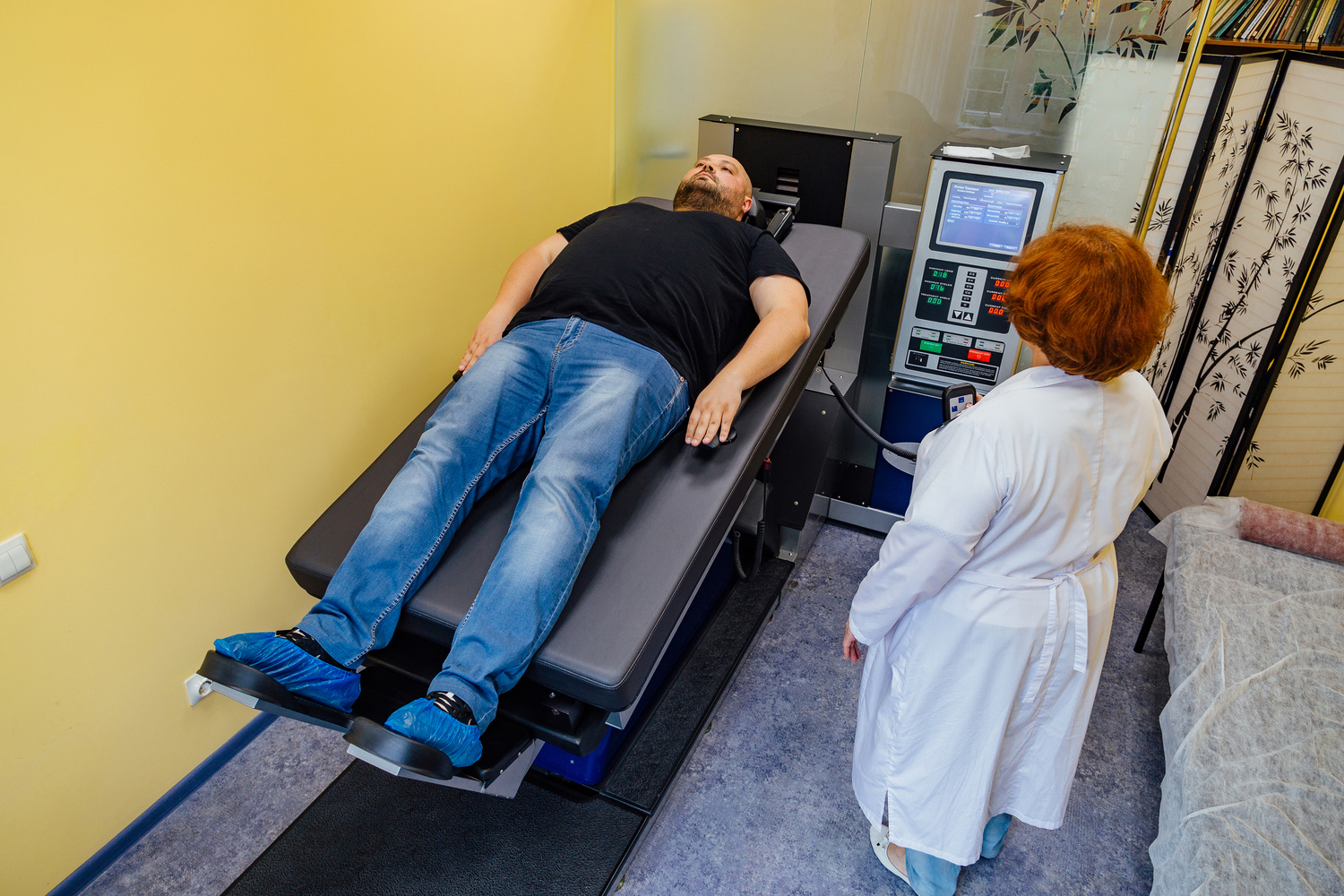
When should you consider treatment for a bulging disc?
Spinal disc issues can cause significant discomfort and disrupt daily life, making activities like sitting, standing, and moving more challenging. Recognizing the severity early is vital to determine the most effective treatment approach.
Differences Between Bulging and Herniated Discs
Both involve disc extension beyond the vertebrae. A bulging disc involves outward expansion of the disc's tough outer layer, whereas a herniated disc involves the soft inner material protruding, often resulting in more intense pain.
Pain Duration and Healing Timeline
Pain from a bulging disc typically alleviates within approximately six weeks, quicker than other disc injuries.
Remaining tissue weakness after pain subsides may leave the area vulnerable for a few additional weeks.
When Is Surgery Recommended?
If non-invasive methods like stretching, physical therapy, or massage do not relieve symptoms, consult your doctor for surgical options.
Persistent symptoms beyond six months warrant medical evaluation for possible intervention.
Precautionary Tips for Bulging Disc Patients
Avoid long periods of sitting or standing.
Use supportive chairs that do not strain your lower back.
Limit heat application during the initial 48-72 hours after injury.
Maintain proper posture to minimize stress on your spine.
Rest is essential for a quicker recovery.
The Significance of Early Treatment for a Bulging Disc
Addressing the issue promptly can prevent severe pain and nerve damage.
If left untreated, disc protrusions may cause nerve impairment or saddle anesthesia, affecting sensation in the back, inner thighs, and rectal area.
Neglecting a bulging disc can lead to irreversible nerve damage and serious complications. Early treatment is critical to prevent long-term health issues.