Advances in Single-Cell RNA Sequencing for Cellular Diversity Mapping
This article explores the latest advancements in single-cell RNA sequencing, highlighting its significance, methodologies, platforms, and applications in biomedical research. It emphasizes best practices for experiments, aiming to enhance understanding of cellular diversity and disease mechanisms through technology. Suitable for researchers seeking cutting-edge insights into cellular profiling and personalized medicine, it underscores the transformative impact of scRNA-Seq in modern biology.
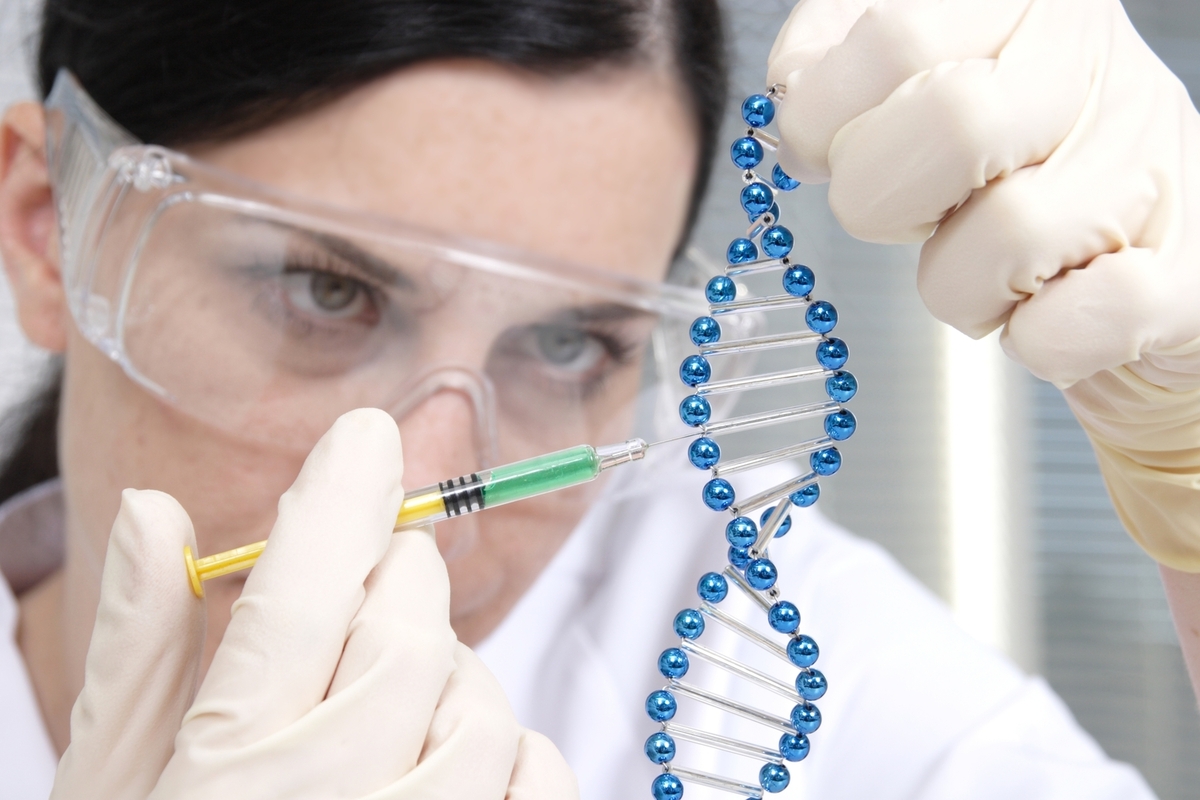
Single-cell RNA sequencing (scRNA-Seq) has revolutionized biological research by providing detailed gene expression profiles at the individual cell level. This technology uncovers the heterogeneity within cell populations, enabling the discovery of novel cell types, understanding disease mechanisms, and advancing personalized medicine. This piece discusses the fundamentals of scRNA-Seq, its methodologies, leading platforms, and key applications, highlighting how these innovations are propelling biomedical research forward.
Significance of Single-Cell Transcriptomics
Revealing Cell Variability: Unlike bulk RNA sequencing, scRNA-Seq captures differences between single cells, revealing complex tissue structures.
Identifying Novel Cell Types: Analyzing individual cells helps discover previously unknown subpopulations.
Tracing Cell Lineages: Facilitates tracking of differentiation pathways from progenitors to mature cells.
Understanding Disease Pathology: Offers insights into abnormal cellular populations in conditions such as cancer and autoimmune disorders.
Customized Patient Care: Characterizing cellular profiles supports targeted therapeutic approaches.
Methodologies Used in scRNA-Seq
Sample Preparation: Isolate single cells through methods like FACS or microfluidics, then extract high-quality RNA.
Library Construction: Convert RNA into cDNA with cell-specific barcodes for identification.
Sequencing Processes: Utilize high-throughput sequencing platforms to generate raw data samples.
Data Analysis: Use bioinformatics tools to align reads, quantify gene expression, and perform clustering and pathway assessments.
Leading Platforms for scRNA-Seq
10x Genomics Chromium: Offers high throughput, scalable solutions suitable for large-scale studies at a cost-effective rate.
Fluidigm C1: Provides high sensitivity and precision but supports fewer cells and has higher costs.
SMART-seq2: Ideal for full-length transcript analysis with exceptional sensitivity, suited for detailed gene expression studies.
Bio-Rad ddSEQ: User-friendly and capable of high-throughput processing, suitable for broad application scopes.
Applications in Single-Cell RNA Sequencing
Cell Identification: Characterize tissue cellular diversity and establish tissue architecture.
Developmental Biology: Explore differentiation processes and cellular lineage trajectories.
Cancer Studies: Investigate tumor heterogeneity and immune environment interactions.
Neuroscience: Identify neuronal and glial populations, and study brain development and diseases.
Immunology: Profile immune cell populations, analyze responses, and dysfunctions.
Personalized Therapy: Customize treatments based on cellular profiling of patients.
Best Practices for scRNA-Seq Experiments
Sample Quality: Ensure cell viability and representative sampling.
Control Experiments: Incorporate technical and biological controls for accuracy.
Replicated Studies: Conduct multiple experiments to validate results.
Reliable Barcoding: Use precise techniques to prevent cross-contamination.
Data Normalization: Correct for sequencing depth and sample composition differences.
Advanced Data Analysis: Employ sophisticated bioinformatics tools for meaningful interpretation.
Single-cell RNA sequencing holds tremendous promise for unveiling cellular complexity, impacting research, disease understanding, and tailored therapies. Proper application of methodologies and platform selection will continue to catalyze biomedical breakthroughs.
References:
Note: This overview emphasizes key scRNA-Seq techniques and best practices. For successful research outcomes, focus on meticulous sample handling, thorough data analysis, and choosing platforms aligned with your specific scientific goals.