Understanding Cremation Options and Cost Considerations
This guide explores various cremation options, their costs, and benefits. It covers traditional, memorial, and direct cremation services, highlighting key expenses and advantages over burial. Understanding these choices helps families plan affordably while honoring loved ones with dignity.
Understanding Cremation Options and Cost Considerations
Losing a loved one can be emotionally challenging, and arranging a cremation adds to the difficulty. Knowing the different types of cremation services and their associated costs can help families manage expenses during this sensitive time. Typically, cremation is more affordable than traditional burials.
There are three primary cremation choices: standard with visitation, memorial service cremation, and direct cremation without ceremony. The total expenses depend on the selected option.
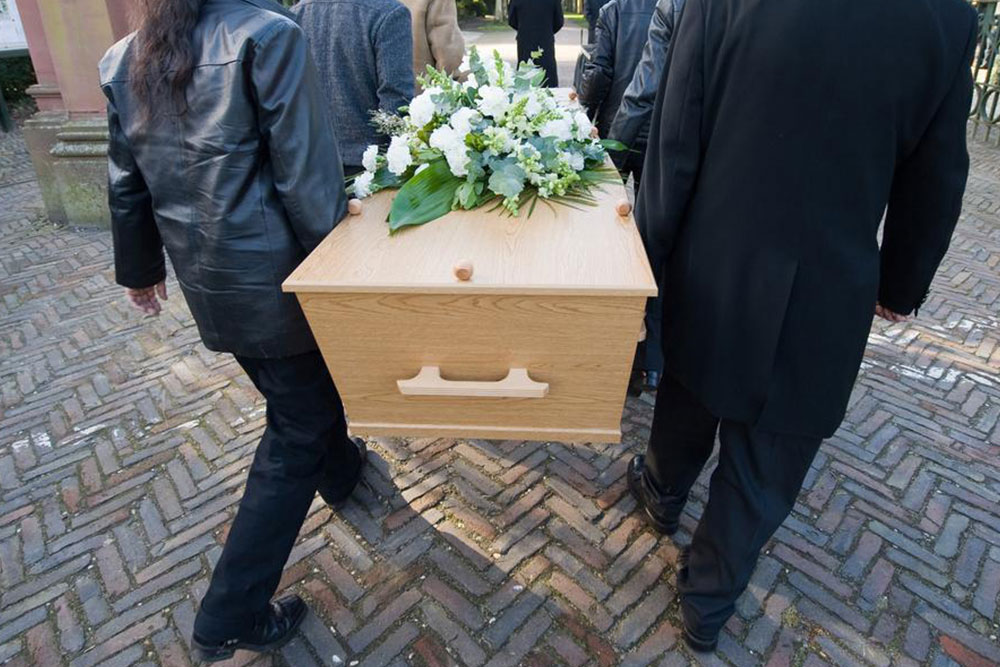
Traditional cremation includes an visitation, usually held at a funeral home or church, with options to rent a casket to reduce costs. A memorial service often takes place after cremation, with an urn but no body present. Direct cremation, the most economical, involves no formal service, with remains returned directly to the family afterward.
Key expenses include service fees for funeral staff, transportation of the remains (about $285), cremation containers (starting at $100), and casket rental (around $1000). The cremation process generally begins at $300, with urns costing approximately $250. Additional costs might include municipal registration and death certificates.
Opting for cremation over traditional burial offers financial advantages, as burial costs encompass headstones ($1500), caskets ($2395), and burial plots ($1000). Cremation provides flexibility in handling remains, allowing dispersal or sharing among family members, and helps conserve land. Its popularity has grown since the 1980s, with current cremation rates notably rising.