Understanding the Importance of Blood Glucose Monitoring Charts
This article emphasizes the importance of monitoring blood glucose with charts, highlighting how regular tracking helps manage diabetes effectively. It covers testing schedules, factors influencing blood sugar, and the use of blood glucose meters, providing essential insights for better health management.
Understanding the Importance of Blood Glucose Monitoring Charts
Blood glucose levels indicate the amount of sugar in your blood, which the body keeps within a healthy range to support vital functions. Glucose acts as the primary energy source for cells and fats. Typically, blood sugar is low in the morning and rises after meals.
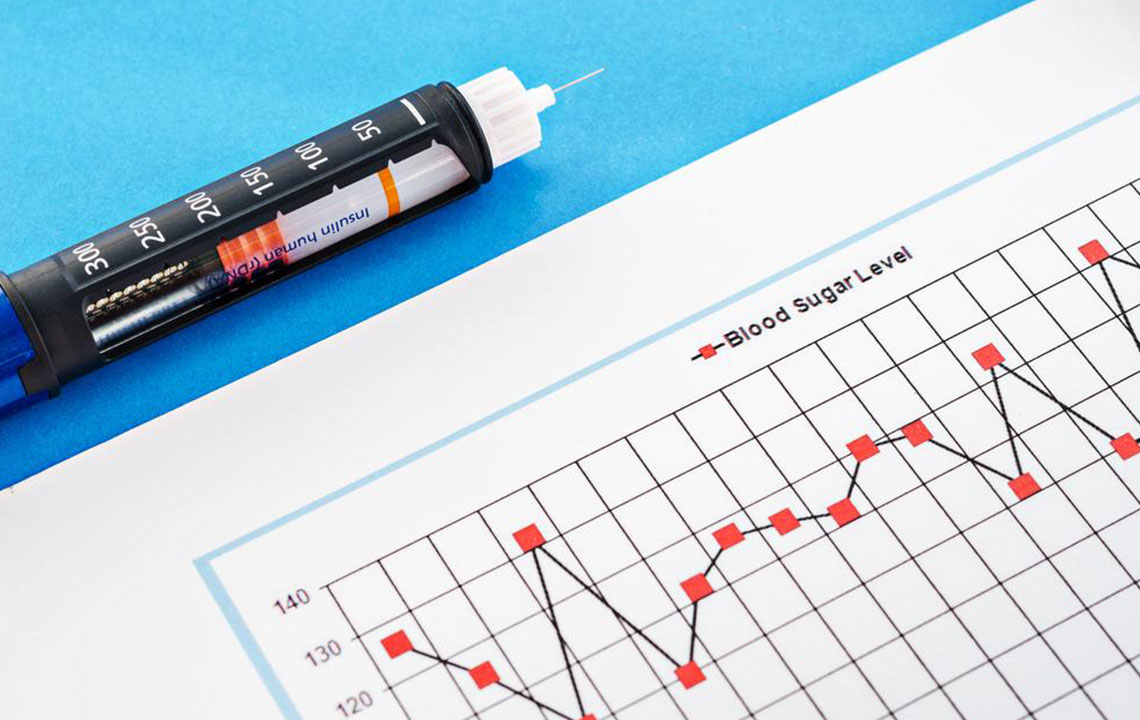
Abnormal blood sugar levels may require medical attention. A blood glucose chart records daily fluctuations, showing when levels are high or low and aiding in effective management.
Tracking blood glucose with a chart is vital for understanding your body's responses around meals. The key benefits include:
Monitoring blood sugar is crucial for diabetes management, helping evaluate progress towards health targets.
It allows analysis of how diet, physical activity, and lifestyle choices influence blood sugar control.
Recognizing how illness or stress affect blood levels can improve management strategies.
If medication is involved, charts show treatment effectiveness.
They also help identify episodes of low or high blood sugar (hypoglycemia or hyperglycemia).
Ideal times for blood sugar testing:
Your healthcare provider will determine a testing schedule based on your specific condition. Frequency varies depending on the type of diabetes and treatment plan.
For type I diabetes, testing might occur 4-8 times daily—before meals, snacks, exercise, and bedtime. Overnight testing may be necessary. Recording these results assists your doctor in monitoring progress. During illness or medication adjustments, more frequent testing may be required.
In type II diabetes, testing is often twice daily or more, especially if insulin is used. Testing before meals and at bedtime helps evaluate insulin response. Those on non-insulin medications may need less frequent testing.
Factors affecting blood glucose readings include:
Age
Type and duration of diabetes
Pregnancy
Complications present
Overall health status
Most individuals aim to keep blood sugar between 80-120 mg/dL if under 60 years old without other health issues. For those over 60 or with additional conditions, targets may be 100-140 mg/dL.
Devices for blood glucose testing:
A compact electronic meter is used to measure blood sugar levels. A small blood sample, typically from the fingertip, is placed on a test strip then inserted into the device for reading. These easy-to-use devices enable self-testing at home, with initial guidance recommended from healthcare providers.
It is important to record results along with details like time, date, medication, diet, and activity. Proper documentation supports effective management and treatment adjustments.