Comprehensive Overview of Weather Observation Stations: Types and Roles
This article explores the different types of weather observation stations, including land-based, maritime, and personal setups, highlighting their functions and key instruments used for atmospheric monitoring. It emphasizes the importance of protecting sensors for accurate weather data collection across various environments.
Comprehensive Overview of Weather Observation Stations: Types and Roles
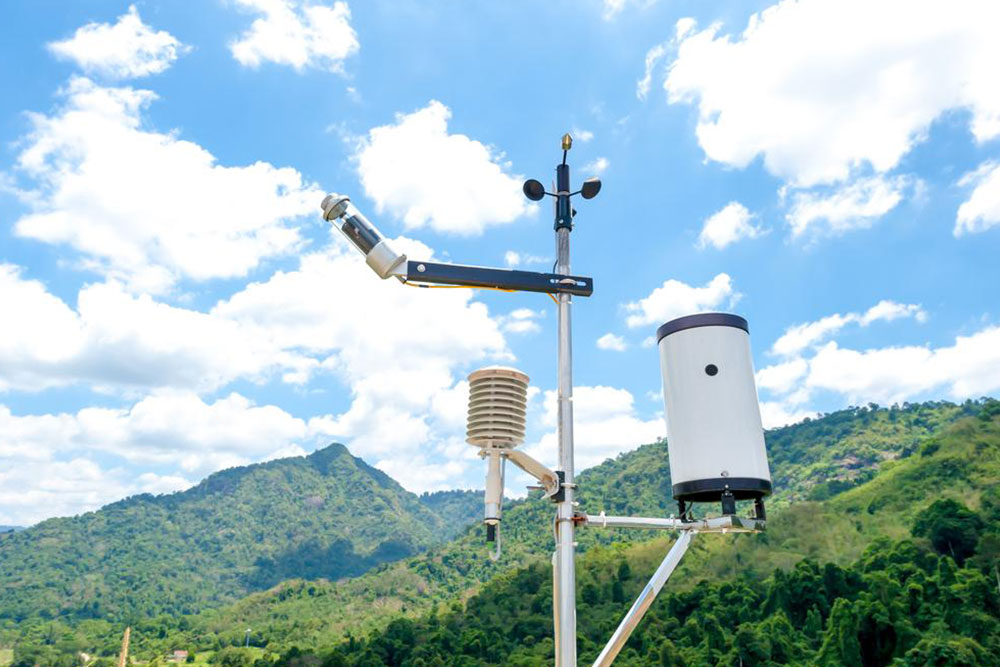
Weather observation stations are essential facilities responsible for monitoring atmospheric parameters, climate trends, and providing weather forecasts for specific locations. These stations may be situated on land, aboard ships, or at sea, depending on their purpose.
Maritime weather observation units utilize ships and floating buoys to measure factors like sea surface temperature, wind velocity, and atmospheric pressure. Instruments such as hygrometers, barometers, anemometers, and thermometers are fundamental for data gathering.
More advanced stations feature sensors like ceilometers for cloud level detection, visibility sensors for fog and rain, and rain gauges for precipitation measurement. Additional tools can assess UV exposure, soil moisture, and temperature, while ultrasonic sensors are used in icy regions to gauge ice thickness.
Protecting sensitive equipment from direct sunlight and wind is vital to ensure precise data. Various station types, including ships, ocean buoys, and private weather stations, serve diverse research and monitoring needs based on their geographical focus.
Weather observation stations
Atmospheric measurement devices
Maritime weather systems
Sea-based sensors
Personal weather units