Proven Approaches to Eczema Relief and Management
Learn effective strategies to manage and alleviate eczema symptoms. This guide covers identification, daily care, and medical treatments to improve skin health and reduce flare-ups in both children and adults, enhancing quality of life.
Proven Approaches to Eczema Relief and Management
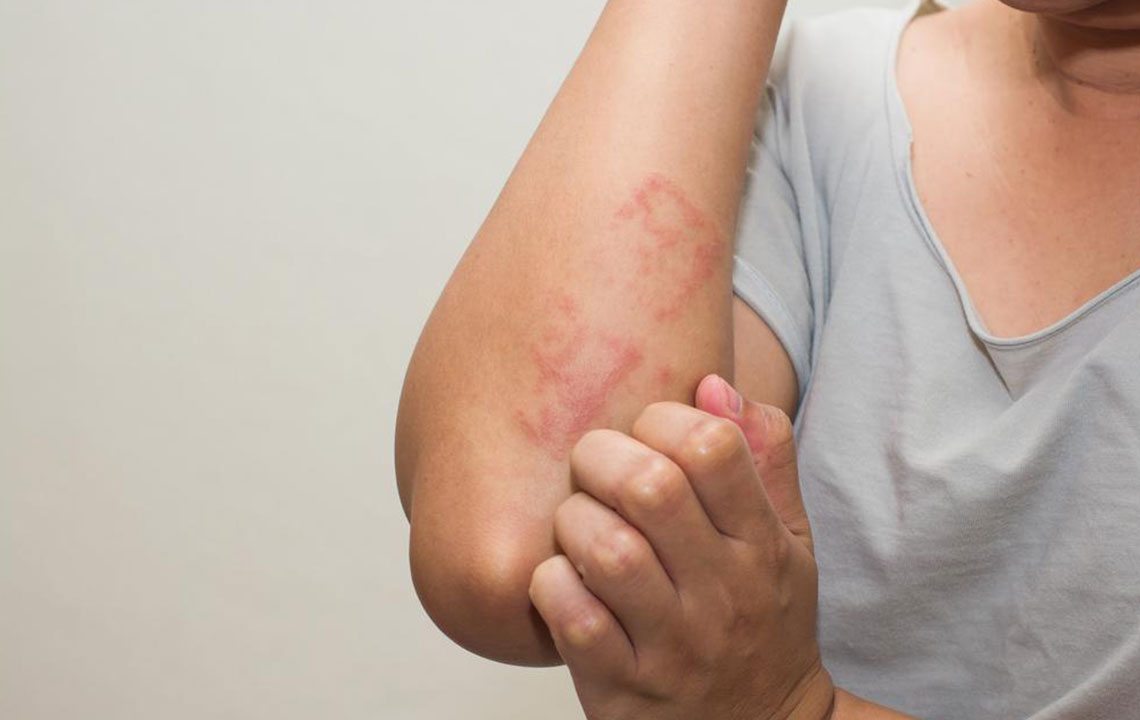
Atopic dermatitis, commonly referred to as eczema, is a prevalent skin disorder affecting many individuals nationwide. It results in inflamed, itchy, cracked, and rough skin, occasionally forming blisters. Triggers include certain foods, nuts, chemicals, smoke, and pollen, which can cause flare-ups. Eczema is not contagious, and treatments aim to heal skin damage and reduce symptoms.
Identifying Eczema Indicators
In infants, signs include rashes on the scalp and cheeks that may develop into blisters and lead to itching and infection. Adults often notice rashes behind elbows, knees, neck, or face. Children aged 10-15 might also experience related conditions like asthma or hay fever.
Bathing with lukewarm water reduces irritation and itching.
Applying moisturizer after bathing helps retain skin hydration.
Wearing loose, soft clothing minimizes irritation.
Choose mild soaps and cleansers to prevent skin dryness.
Avoid activities that cause excessive sweating or temperature swings.
Use humidifiers during dry winter months to keep skin moist.
Practice good hygiene to avoid skin cracks and itching.
Watch diet; avoid trigger foods, especially in children with eczema.
Severe cases often require medical intervention, including:
Topical steroids to reduce skin inflammation.
Oral medications or injections when topical treatments are insufficient.
Antibiotics for bacterial skin infections.
Medications for fungal or viral infections linked to eczema.
Antihistamines to relieve chronic itching and improve sleep.
Calcineurin inhibitors to control immune response and prevent flare-ups.
Barrier-repair moisturizers to strengthen skin hydration.
Phototherapy with UV light for persistent eczema.
Cool compresses with steroid creams to soothe skin and enhance absorption.
Covering blisters with bandages to promote healing.
While eczema can be managed effectively, a complete cure remains elusive. Treatment is aimed at controlling symptoms, with individual responses varying. Always consult a dermatologist for personalized and safe treatment options. Proper management significantly enhances quality of life for sufferers.