How to Choose the Right Pilot Training Program for Your Aviation Career
Discover essential tips for selecting the ideal pilot training program. Learn about certification levels, important considerations like location and budget, and how to plan your aviation career path effectively. This guide helps aspiring pilots make informed decisions for a successful flying journey.
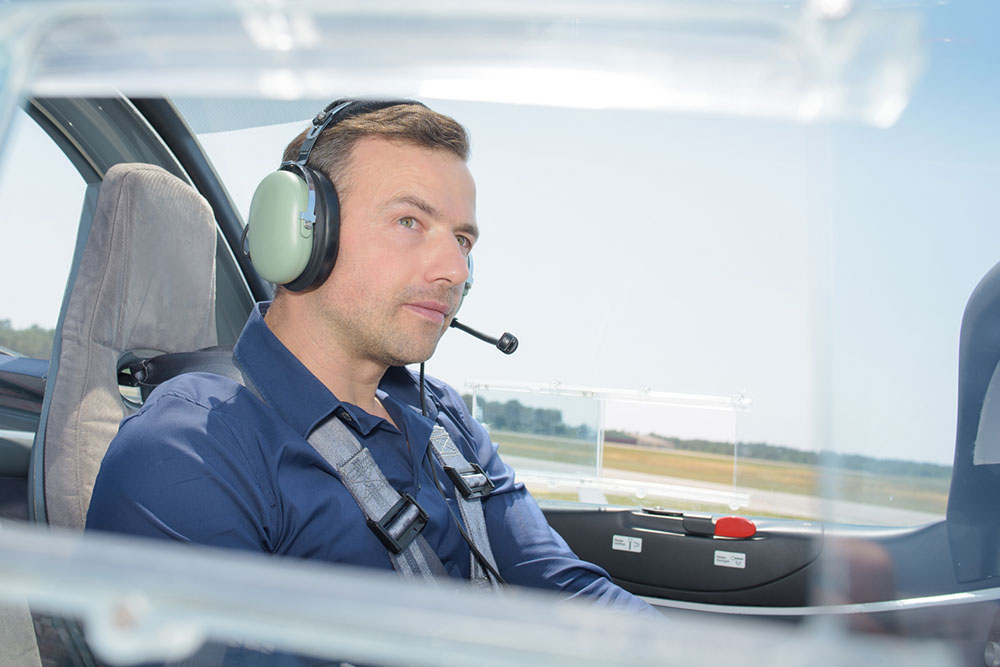
Beginning a pilot career typically involves selecting a trusted flight training school within an aviation academy. These intensive programs develop essential flying skills, though they demand commitment and discipline. Each training course offers distinct features; thus, comparing options thoroughly is key to making an informed decision. Proper research ensures choosing a program aligned with personal goals, paving the way for a successful aviation journey.
Understanding the different advancement levels in pilot training is crucial whether aiming for airline roles, private flying, or other aviation careers.
Typically, progressing from beginner to professional pilot involves earning the following licenses:
Student Pilot: The first step covers navigation, aerodynamics, aircraft systems, weather, and regulations. Applicants should be at least 16 and fluent in English. This allows solo flights under supervision without carrying passengers or engaging in commercial activities. Certification requires passing written tests and a medical exam.
Private Pilot License (PPL): Enables flying non-commercial aircraft. Candidates must be 17+ and proficient in English. Training includes navigation, aircraft control, and emergency procedures. Licensed pilots can fly privately and carry passengers but cannot be paid for flights.
Commercial Pilot License (CPL): Advanced training involves complex aerodynamics and larger aircraft operation. Many pilots obtain an instrument rating (IR) for flying in poor weather. With a CPL, pilots can work in paid aviation roles.
Flight Instructor Certification (CFI): Qualified trainers educate new pilots both in the classroom and in the air. Applicants must be over 18, fluent in English, and hold a current FAA commercial or airline transport license with at least 250 flight hours. Further certifications like CFII and MEI are available for specialization.
Airline Transport Pilot (ATP): The highest certification requires pilots to be over 23, with 1,500 hours of flight experience, a CPL with IR, and passing the ATP exam. ATP-certified pilots can serve as airline captains or first officers.
Key tips for choosing the right pilot training include:
Set clear goals and do thorough research: Understand your career aims and find schools offering suitable courses.
Consider location and climate: Proximity, accessibility, and weather conditions affect flight training logistics.
Budget wisely: Training costs vary; review tuition fees and scholarship options.
Check instructor credentials: Skilled instructors greatly impact learning. Visiting schools and meeting staff is beneficial.
Assess training quality: Talk to alumni and current students to evaluate the school's reputation and facilities.
Careful planning and research help turn your aviation ambitions into reality. By choosing the right program, you build a solid foundation for a rewarding flying career. With dedication and the right guidance, reaching your aviation goals is within reach.