Top Tips to Prevent Skin Breakouts
Learn effective strategies to prevent acne breakouts, including dietary adjustments, skincare routines, and innovative treatments. Understanding your skin and addressing hormonal and lifestyle factors can lead to clearer, healthier skin. Always seek professional guidance for personalized care.
Top Tips to Prevent Skin Breakouts
Breakouts are a widespread skin issue that impacts people across all ages. They primarily appear as pimples on the face but can also develop on shoulders, back, and chest. Severe breakouts may cause discomfort and leave scars, making proper care essential. Acne develops when skin pores get clogged with excess oil and dead skin cells. While many products and treatments are available, it is important to choose those suited to your skin type to effectively manage and prevent outbreaks.
Acne severity varies among individuals, ranging from mild to severe. Usually beginning in teenage years, some people may experience earlier breakouts due to hormonal shifts or other factors. Recent studies indicate that 50% of women aged 21-30, 25% aged 31-40, and 12% aged 41-50 face acne problems.
Hormonal changes, diet choices, and stress levels play a significant role in acne development.
Modifying your diet, such as reducing refined carbohydrates and opting for healthier dairy, can help prevent flare-ups.
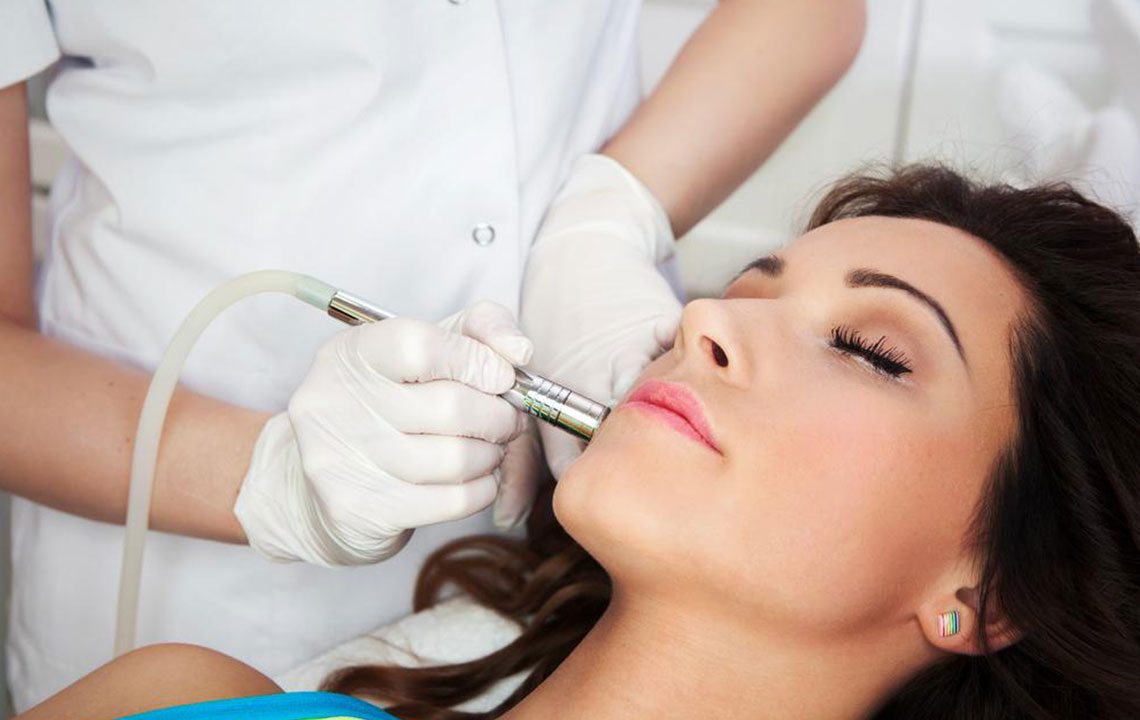
Emerging treatments like blue light therapy and photodynamic therapy are used for persistent acne, though they can be costly.
Medications such as spironolactone help manage hormonal acne by lowering androgen activity.
Natural options like tea tree oil possess antiseptic properties that can reduce bacteria and inflammation.
Limiting salt intake to about 1500 mg daily may benefit skin health.
Stress management is vital, as increased cortisol can cause inflammation and excess oil production, worsening acne.
Over-the-counter remedies like benzoyl peroxide, retinoids, and salicylic acid are effective for various acne stages.
Recognizing underlying causes and available treatments aids in selecting the right skincare routines for clear skin.
Note:
This article offers current insights and tips on acne prevention. However, it is not a substitute for professional medical advice. Always consult a dermatologist for personalized treatment plans and stay updated on new therapies and products.