Aluminum Waste Recycling: Economic Insights and Environmental Advantages
This article explores aluminum waste recycling, highlighting market prices and its positive impact on the environment. Recycling aluminum conserves resources, reduces costs, and promotes sustainable industry practices through efficient collection and reuse processes, ultimately supporting eco-friendly living.
Aluminum Waste Recycling: Economic Insights and Environmental Advantages
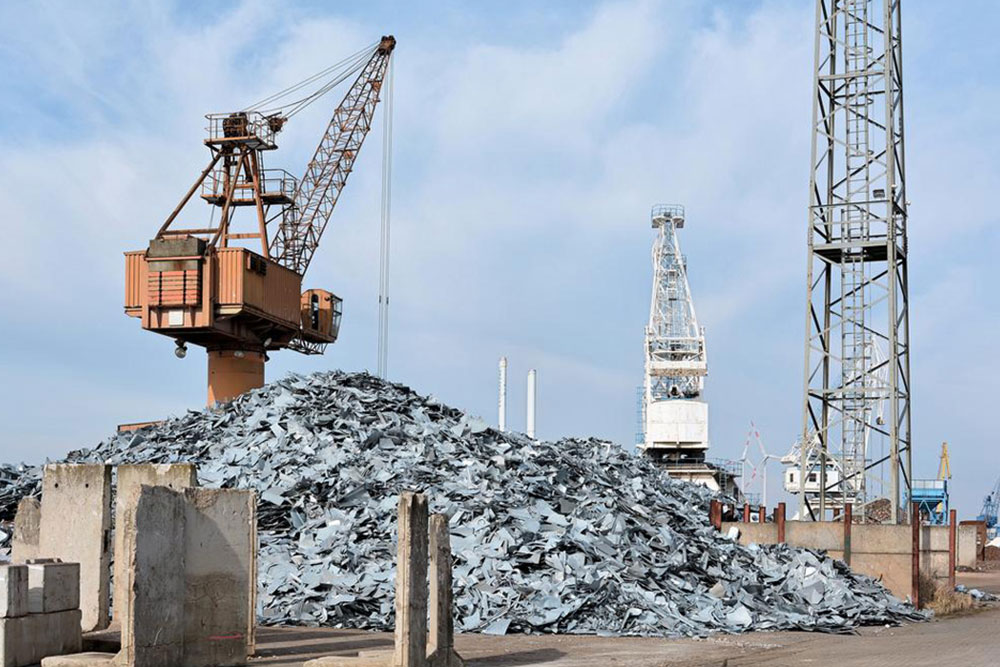
Processing discarded aluminum items such as soda cans and kitchen wraps allows recycling centers to convert waste into valuable materials. The process employs advanced equipment for sorting, cleaning, and melting aluminum, which can be sharp and contaminated. This recycling process is vital for manufacturing products like cookware, automotive components, electronic devices, and packaging materials.
Recycling aluminum reduces the need for mining bauxite, helping preserve natural resources and protect the environment. It offers a cost-effective alternative—producing new aluminum is more expensive than recycling existing scrap. Scrap prices fluctuate based on quality and market demand, with U.S. rates generally between $0.30 and $0.45 per pound. Government initiatives promote aluminum collection and resale to boost recycling efforts.
Encouraging recycled aluminum supports sustainable practices by reducing the environmental footprint associated with bauxite mining. Repeated recycling lessens ecological impact and benefits various industries financially. Proper storage and balanced supply and demand help maintain stable scrap prices, fostering a continuous cycle of reuse and resource conservation.