Comprehensive Guide to Sleep Apnea Mouth Guards
This comprehensive guide explores the role of customized sleep apnea mouth guards in managing obstructive sleep disorders. It details types, features, benefits, and safety considerations, emphasizing the importance of professional consultation. Suitable for adults, these devices offer an effective, comfortable alternative to CPAP and surgical options, especially in mild to moderate cases. Regular follow-ups ensure optimal results, making mouth guards a convenient solution for sleep apnea sufferers seeking relief and better sleep health.
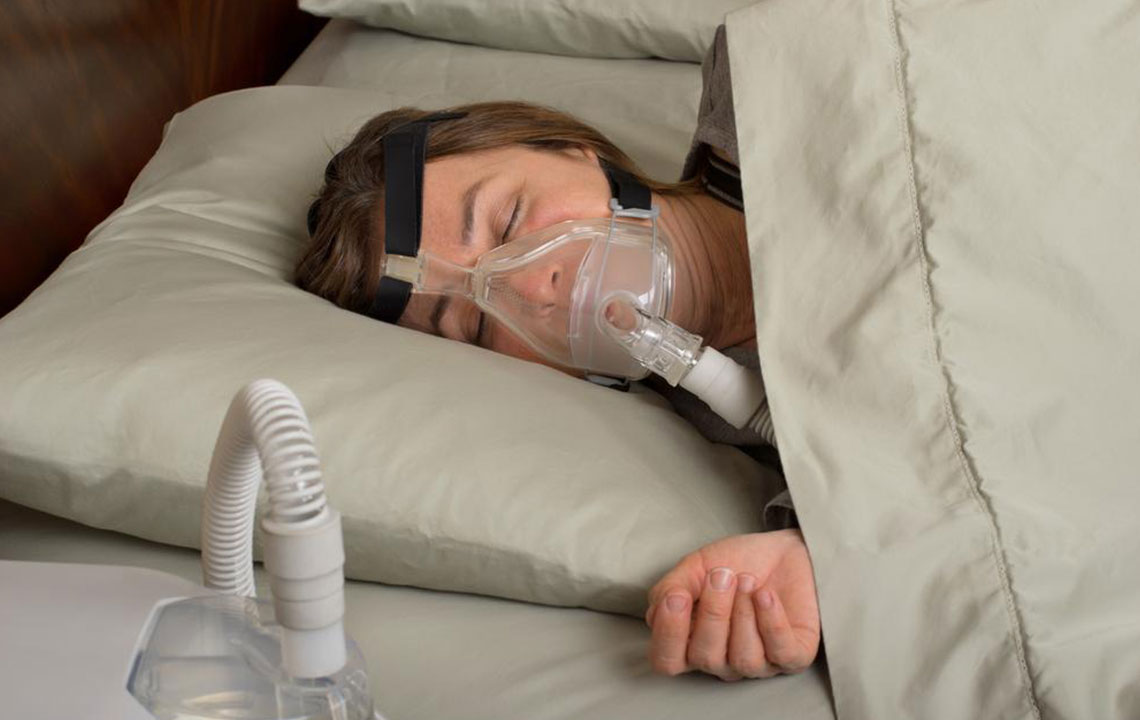
Sleep Apnea and the Significance of Oral Devices
Obstructive sleep apnea, often recognized by loud snoring, is a significant sleep disorder that can impact overall health by blocking breathing during sleep. Custom-designed mouth guards are widely used to control or prevent this condition, leading to better sleep quality and enhanced well-being.
If left untreated, sleep apnea can elevate risks of heart issues, strokes, irregular heartbeat, and cognitive problems like memory and mood disturbances. Early intervention is vital for health preservation.
How Oral Appliances Help Manage Sleep Apnea
Dental devices, such as personalized mouth guards, provide an alternative to continuous positive airway pressure (CPAP) machines or surgical options for sleep apnea treatment.
Individuals with excess weight often use mouth guard therapy alongside weight management efforts. These devices work by reducing airflow turbulence and decreasing snoring intensity.
Most beneficial in early or mild to moderate cases, dental devices should be used following comprehensive sleep studies. Regular follow-up tests may be recommended to monitor effectiveness.
Features of Custom Sleep Apnea Mouth Devices
Customized by dental experts to ensure a perfect, comfortable fit specific to your needs.
Designed for comfort and high patient acceptance, these mouth guards work by advancing the lower jaw slightly forward to increase airway space, thereby reducing snoring and apnea episodes.
Common Attributes of Sleep Apnea Oral Devices:
Adjustable via telescopic hinges for personalized positioning
Allow normal talking and drinking during sleep
Considerations Before Use:
Opt for FDA and Medicare-approved appliances for safety and effectiveness.
Intended primarily for adults—check suitability for your age group.
If you wear braces or recently had orthodontic work, consult your dentist due to possible dental adjustments.
Avoid use if you have ongoing dental issues such as gum disease, broken teeth, or compromised restorations.
Discuss with your healthcare provider if you have TMJ disorders before starting treatment.
Regular follow-ups are crucial for adjustments and to ensure optimal results.
Getting a custom oral device is simple—contact your dentist or healthcare professional.
Types of Sleep Apnea Mouth Devices:
Custom-made by dental practitioners, these devices are worn during sleep and mainly include:
Mandibular Advancement Device (MAD): The most common, it fits over the teeth and moves the lower jaw forward to keep the airway open. Variations like the Thornton Adjustable Positioner (TAP) allow for adjustments for better fit.
Tongue Retaining Device: This device holds the tongue in a forward position to prevent airway blockage. It's less commonly used than MADs.
Post-Treatment Monitoring:
Consistent follow-up appointments help assess efficacy and facilitate adjustments or replacements for the best outcome.
Advantages of Dental Sleep Devices:
Especially effective for mild sleep apnea and for those sleeping on their back or stomach; they improve sleep quality and reduce loud snoring.
More comfortable and user-friendly compared to CPAP therapy.
Offer a durable alternative to surgical interventions such as UPPP.
However, potential side effects include teeth shifting, bite changes, or jaw discomfort. Mild issues like dry lips or excess saliva may also occur.
Choosing the right treatment depends on severity, anatomy, health history, and personal preference. Consult your healthcare professional to determine if a sleep apnea mouth guard is suitable for you. Proper use provides a comfortable, effective way to manage sleep apnea.