The Significance of Traffic Cone Colors and Their Roles
Explore the importance of traffic cone colors and their specific functions in road safety and traffic management. Learn about the applications of various colored cones and their significance in different scenarios such as accidents, construction, and events. This guide helps understand standard practices and color codes to enhance safety and efficiency on the roads.
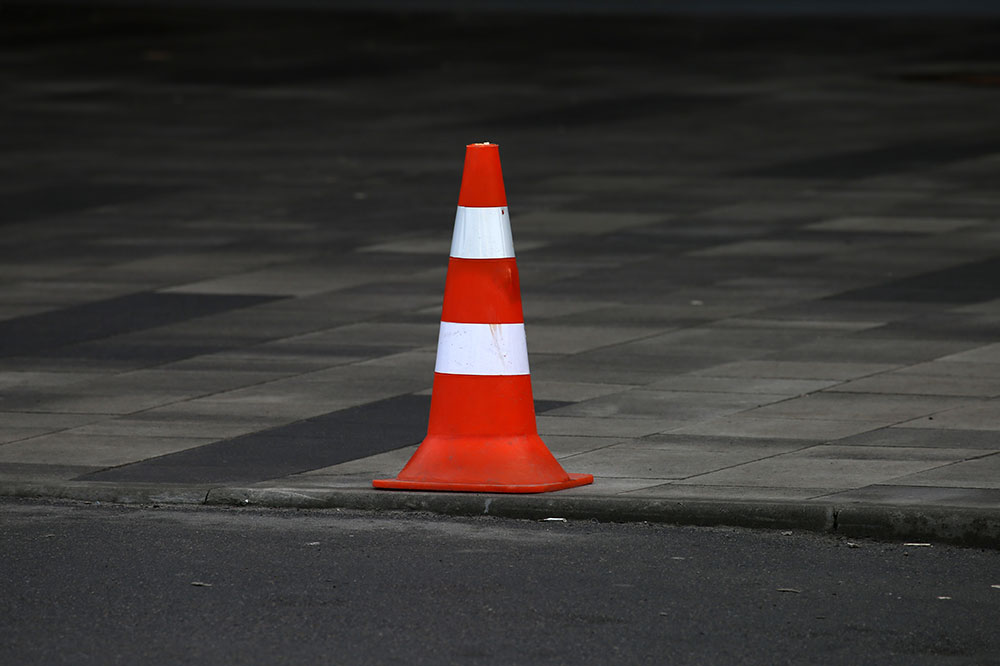
The Significance of Traffic Cone Colors and Their Roles
Traffic cones are vital tools for directing and controlling road traffic flow. Crafted from durable, impact-resistant plastic and coated in bright, reflective hues, they ensure high visibility. This article delves into the various uses of traffic cones and what their specific colors signify on the road.
Typical uses of traffic cones:
Accident zones: Cones are positioned to reroute vehicles away from crash sites or hazard areas, maintaining safety and order.
Lane management: They delineate lanes for pedestrians, cyclists, and vehicles, enabling smooth and safe passage.
Construction zones: During roadwork or repairs, cones signal work zones to alert drivers and pedestrians.
Event control: When hosting events or closing roads, cones control access and manage traffic routes.
Understanding traffic cone colors:
The FHWA sets standards for cone colors, sizes, and reflectivity, with orange being the most prevalent due to its visibility against varied backgrounds. Fluorescent yellow-green cones are used around schools and busy pedestrian areas, especially near construction sites. Other colors like red, yellow, white, blue, pink, purple, and black are allocated for specific functions and should not be used interchangeably. Cone sizes vary to suit different traffic control needs.
Disclaimer:
This blog offers comprehensive, research-based insights. While we aim for accuracy, readers should consult official sources for critical details. We are not liable for discrepancies or information outside our scope.