The Essential Role of Caregivers in Senior Living Facilities
This article explores the vital role of caregivers in senior care homes, emphasizing their responsibilities in medication management, health monitoring, and emotional support. It highlights how compassionate caregiving enhances seniors’ quality of life, promotes mental and physical well-being, and fosters respectful, supportive environments. As the demand for elderly care grows, the importance of dedicated professionals in senior homes becomes increasingly evident, reflecting societal respect for our elders.
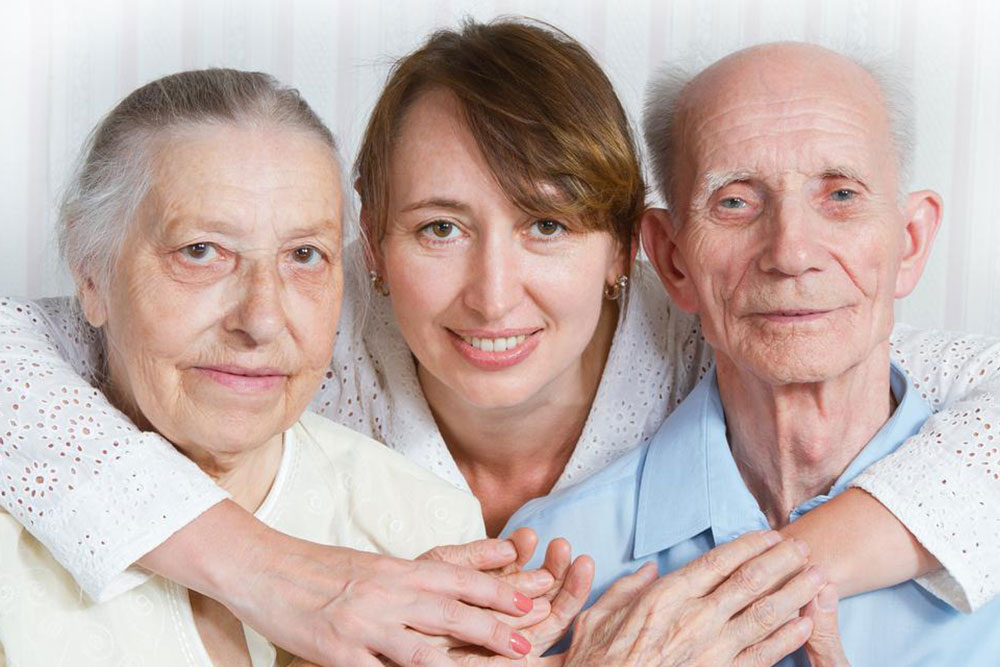
Significance of Caregivers in Elderly Care Homes
As populations age worldwide, the need for caring professionals in senior living environments is escalating. These caregivers support elderly residents with daily tasks such as personal hygiene, medication schedules, and health monitoring. Their responsibilities also encompass assisting individuals with disabilities, chronic illnesses, or mental health challenges. With increasing demand, caregiving services have become a crucial part of the healthcare industry. This article highlights the key duties caregivers perform to ensure quality of life for seniors.
Medication management
Many seniors need precise medication routines, including pills, liquids, and injections. Caregivers administer medicines promptly to avoid health issues.
Caregivers also engage seniors in activities like walks, social visits, and group outings to boost mental health and social connection.
Monitoring and oversight
They work closely with healthcare providers, checking vital signs such as temperature, blood pressure, and blood sugar. Observing emotional well-being and relaying any concerns helps ensure timely medical responses.
Nutrition and hydration support
Assisting with meal planning and ensuring adequate hydration forms a vital part of caregiving. Caregivers prepare healthy, enjoyable meals, replacing unhealthy ingredients when necessary, and encourage regular drinking habits.
Providing dedicated care for seniors extends beyond a profession—it’s a heartfelt act of appreciation and empathy, honoring the value and wisdom older generations offer.