Comprehensive Baby Nutrition Guide Through Each Development Stage
This comprehensive guide discusses the nutritional needs of babies at various developmental stages, from infancy to toddlerhood. It offers practical advice for parents on feeding practices, including breastfeeding, solid foods, finger foods, and transitioning to regular family meals. Emphasizing safety, hygiene, and nutrition, the article aims to support healthy growth and development through tailored feeding strategies suitable for each stage. Stay informed with expert insights to nourish your child's well-being effectively.
Comprehensive Baby Nutrition Guide Through Each Development Stage
Understanding the evolving nutritional needs of infants and toddlers is essential for promoting healthy growth. As children develop, their dietary requirements change, necessitating tailored feeding strategies at every age. This article provides a detailed overview for parents to ensure their child's diet remains balanced and suitable throughout different stages of development.
Newborn Stage In this initial phase, infants primarily depend on breast milk, which supports both nourishment and bonding. When breastfeeding isn’t possible or sufficient, specially formulated infant formulas that replicate breast milk's nutrients are recommended.
This period involves environmental adaptation for the baby. Creating a cozy and positive feeding environment is crucial. For mothers who can't breastfeed, nutrient-rich formulas found in stores are effective alternatives that support healthy growth.
Introducing Solid Foods Around six months, after completing immunizations, parents can begin offering solid foods such as boiled, pureed vegetables and mashed fruits. These should be smooth to minimize choking risk. Offering a variety of foods helps shape the child's taste preferences and dietary habits.
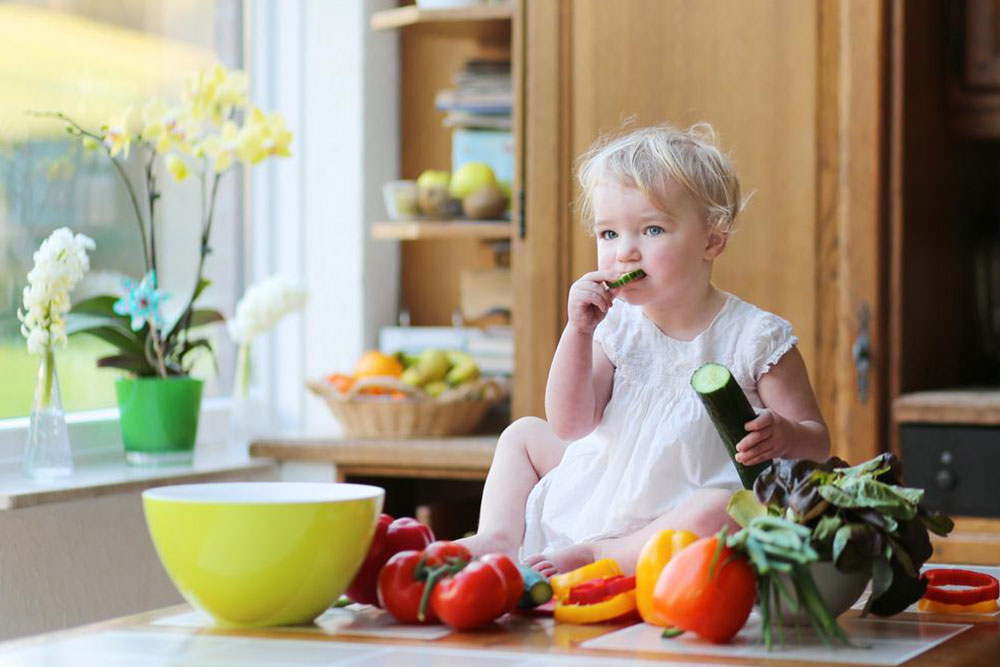
Adding Finger Foods As the baby reaches sitting and teething stages, soft finger foods like cooked vegetable strips are suitable. This promotes self-feeding skills while being gentle on sensitive gums.
Transitioning to Family Meals When toddlers can sit independently and manage utensils, small portions of family dishes with mild seasoning can be introduced. Monitor for allergies or digestive reactions, and ensure utensils are sanitized to prevent infections.
Important Reminder: Our website provides a wide range of educational content across different topics. While based on research, our articles should not replace professional medical or nutritional guidance. Stay informed about current health tips and offers that could benefit your child's nutrition journey.