Comprehensive Guide to Retail Point of Sale Solutions
Explore this comprehensive guide to retail POS systems, highlighting key features, benefits, and selection tips. Learn how the right POS can boost efficiency, improve customer service, and support business growth. Discover insights into sales processing, inventory management, CRM, and integration to optimize retail operations. This article helps retailers make informed decisions for choosing the ideal POS system that scales with their business needs and safeguards customer data, ensuring long-term success and profitability.
Comprehensive Guide to Retail Point of Sale Solutions
In today's retail environment, efficient point of sale (POS) systems are essential for streamlining transactions, managing inventory, and enhancing customer experiences. Selecting the right POS platform can significantly improve operational efficiency, boost customer loyalty, and drive revenue growth. This article highlights the key features, advantages, and tips for choosing the optimal retail POS system tailored to your business needs.
What Is a Retail POS System?
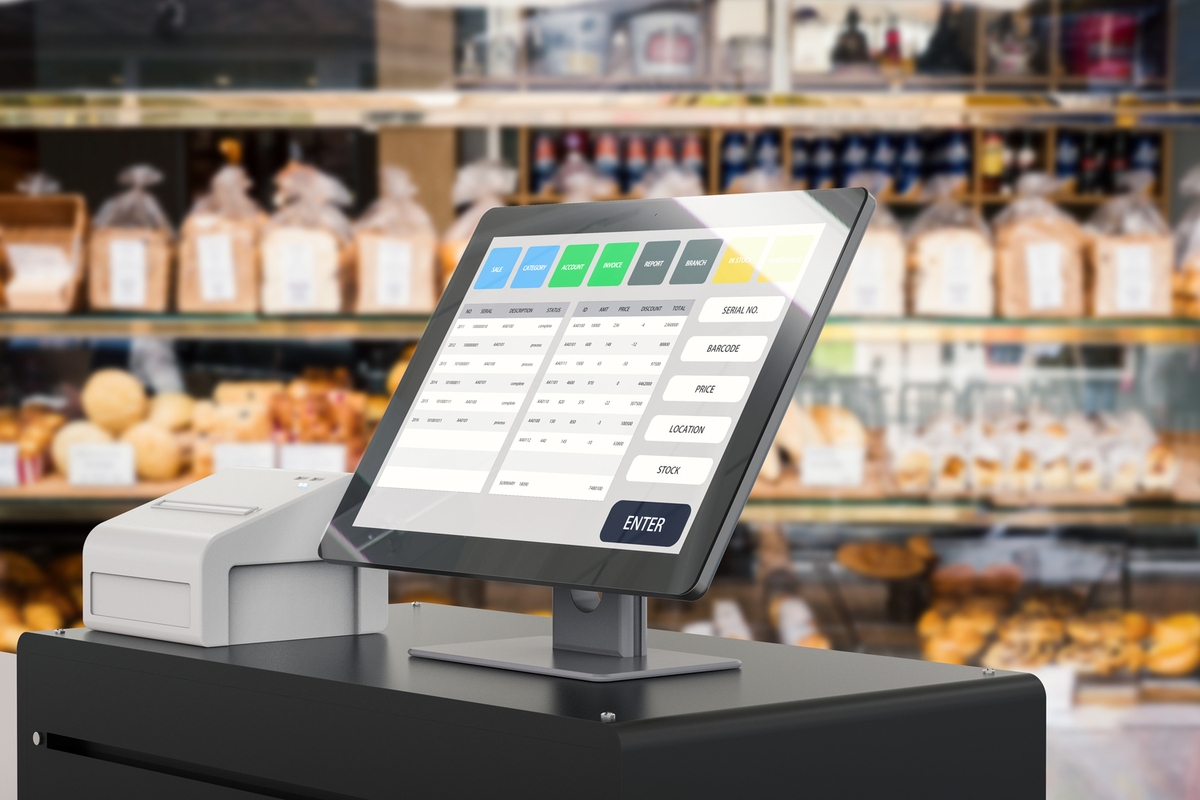
A retail POS system combines hardware and software components to facilitate sales, oversee stock levels, and support various administrative functions within a retail store.
The hardware typically includes barcode scanners, receipt printers, and payment terminals, while the software manages sales transactions, inventory data, customer relationships, and business reporting.
Key Features of Retail POS Systems
1. Sales Processing
Modern POS solutions facilitate quick transactions through barcode scanning, discounts, tax calculations, multiple payment options, and receipt generation. Mobile device integration often enhances checkout convenience.
2. Inventory Management
Real-time stock tracking, order management, and automatic alerts prevent shortages or excess inventory. Automated reporting supports better stock control.
3. Customer Relationship Management (CRM)
POS systems store customer data, track purchase behavior, and enable targeted marketing efforts, fostering stronger customer loyalty.
4. Business Analytics
Access detailed reports on sales, profitability, stock movement, and employee performance, aiding strategic decision-making.
5. Employee Management
Features like scheduling, time tracking, and sales performance analysis help optimize staffing and reduce operational costs.
6. Integration Capabilities
Seamless integration with accounting, e-commerce, and marketing platforms ensures streamlined operations and data consistency.
Benefits of Retail POS Systems
1. Enhanced Efficiency
Automation reduces manual errors and accelerates checkout and inventory updates, freeing staff to focus on customer service.
2. Improved Customer Service
Fast checkout, diverse payment options, and personalized interactions promote customer satisfaction and repeat business.
3. Reliable Data Insights
Real-time analytics support smarter inventory, sales, and growth strategies.
4. Operational Streamlining
Unified system integration simplifies business management, reducing operational costs and complexity.
How to Choose the Right POS System
Consider these factors to ensure optimal selection:
1. Business Needs
Match system features to your business size and scope. Smaller shops may prefer simpler solutions, while larger stores require scalable, feature-rich platforms.
2. Ease of Use
Select an intuitive interface to minimize training time and errors.
3. Growth Compatibility
Ensure your POS can expand with your business, handling increased transactions and inventory levels across multiple locations.
4. Support and Maintenance
Opt for vendors with responsive customer service via phone, email, or chat.
5. Cost Effectiveness
Evaluate total costs, including hardware, software, setup, and ongoing maintenance, balancing affordability with functionality.
6. Security Features
Prioritize systems that comply with security standards like PCI DSS, employ encryption, and offer regular updates to protect sensitive data.
Retail POS solutions are transforming how stores operate by integrating sales, inventory, and customer management into a cohesive platform. Understanding their essential features and benefits enables retailers to choose systems that enhance efficiency, improve customer experiences, and support sustainable growth. Investing in a reliable POS system is an important step toward achieving operational excellence and increased profitability.