The Evolution of Smart Televisions in Modern Homes
This article explores the development and features of smart televisions, highlighting their role as advanced multimedia hubs for modern homes. From early innovations in the 1980s to current internet-connected devices, smart TVs offer customizable and interactive entertainment experiences. Learn about their evolution, capabilities, and impact on home entertainment.
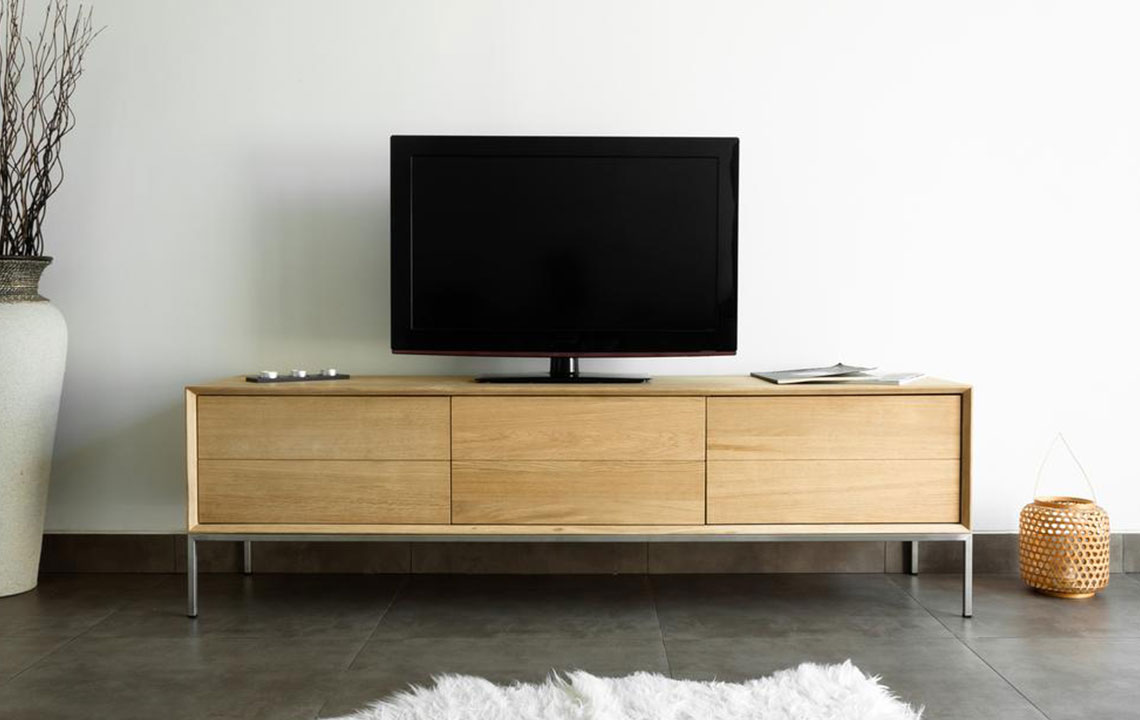
The Evolution of Smart Televisions in Modern Homes
Smart televisions represent a leap forward in home entertainment technology, offering functionalities beyond traditional TV sets. Unlike conventional TVs that depend solely on cable or antenna signals, these devices connect seamlessly to the internet and incorporate built-in computing capabilities. Running on internet platforms, smart TVs serve as multimedia hubs, providing access to streaming services, apps, and online content.
Users can personalize their viewing experience by installing applications, adding plugins, and customizing settings, similar to smartphones or computers. They often feature integrated operating systems with development tools, enabling third-party developers to create and innovate compatible applications across various brands.
Dating back to the 1980s, the idea of intelligent TVs was pioneered in Japan with models featuring internal memory and character generation capabilities, allowing access to informational channels. Innovations in the 1990s introduced network-connected TVs capable of software updates and adapting to user preferences, transforming traditional televisions into versatile digital platforms.