Braces and Dental Splints in the UK: Types, Costs, and Innovations
Discover differences between braces and dental splints, UK cost ranges, and the latest orthodontic innovations. Learn how to choose the right treatment.
Understanding Braces and Dental Splints in the UK
Braces and dental splints are essential orthodontic tools for correcting alignment, protecting teeth, and managing jaw disorders. This guide covers types, costs, latest innovations, and how to choose the right provider in the UK.
Types of Dental Braces
Traditional Metal Braces: Metal brackets and wires, most common, effective for all cases.
Ceramic Braces: Tooth-colored brackets, less visible than metal, similar function.
Lingual Braces: Placed on the inside of teeth, invisible from outside, require specialist expertise.
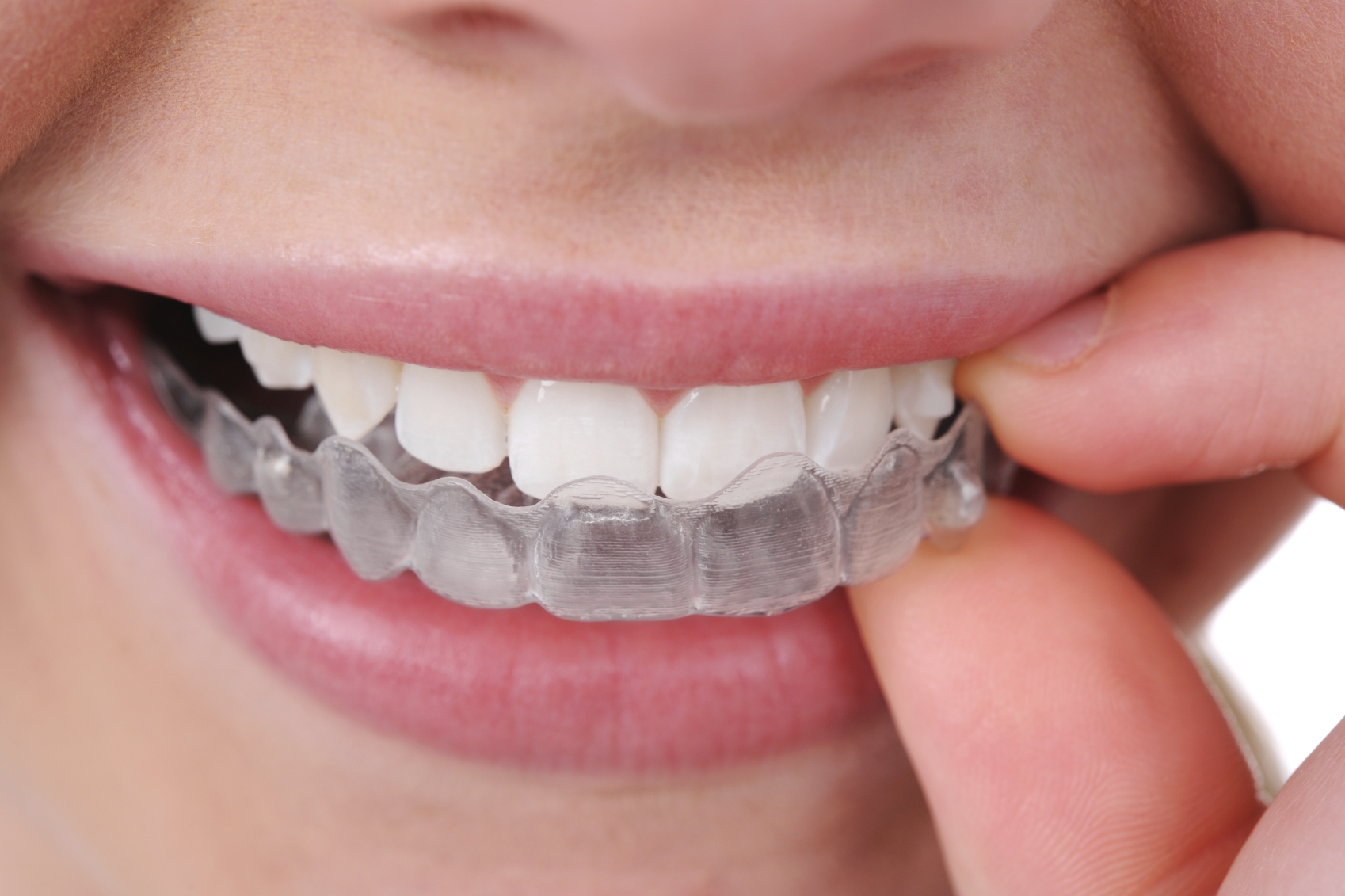
Invisible Braces (Clear Aligners): Custom clear plastic trays like Invisalign, removable and discreet.
Braces Cost in the UK
Costs vary by type and treatment complexity. Traditional metal braces typically range from £1,500 to £3,000. Ceramic braces cost £2,000 to £4,500, lingual braces £3,000 to £8,000, and invisible braces £2,000 to £5,500. Many clinics offer payment plans and low-cost options for affordable care. Data source: British Orthodontic Society.
Comparison of Braces Types
| Type of Braces | Visibility | Comfort | Cost Range | Treatment Duration |
|---|---|---|---|---|
| Metal Braces | Visible | Moderate | £1,500 – £3,000 | 1–3 years |
| Ceramic Braces | Less visible | Moderate | £2,000 – £4,500 | 1–3 years |
| Lingual Braces | Invisible | Less comfortable | £3,000 – £8,000 | 1–3 years |
| Invisible Braces | Invisible | Comfortable | £2,000 – £5,500 | 1–2 years |
Dental Splints: Purpose and Benefits
What Are Dental Splints?
Dental splints are devices used to stabilize and protect teeth. They are commonly prescribed for temporomandibular joint (TMJ) disorders, bruxism (teeth grinding), and post-surgical stabilization. Key benefits include stabilization after orthodontic treatment, protection from grinding damage, and pain relief for jaw joints.
Braces vs Splints: Key Differences
| Aspect | Braces | Splints |
|---|---|---|
| Primary Function | Align teeth and correct bite | Stabilize and protect teeth |
| Treatment Focus | Movement of teeth | Maintenance and protection |
| Common Uses | Orthodontic alignment | TMJ disorders, post-treatment stabilization |
Data source: UK Dental Health Foundation.
Innovations in Orthodontics
Technological Advancements
3D Imaging and Printing: Enables precise customisation of orthodontic devices for better fit and function.
Digital Scanning: Replaces traditional molds, improving patient comfort and accuracy.
Self-ligating Braces: Use a clip instead of elastic bands to reduce friction and potentially shorten treatment time.
The Rise of Invisible Braces
Invisible braces, such as Invisalign, offer a discreet alternative. Other brands like ClearCorrect and SmileDirectClub provide similar clear aligner systems with different pricing and service models.
Finding the Right Orthodontic Provider in the UK
How to Locate a Provider
To find affordable braces near you, search online for local orthodontists offering competitive pricing. Check credentials and experience, especially with your chosen brace type, and read patient reviews. Consider payment plans or dental insurance coverage.
Evaluating Providers Table
| Evaluation Criteria | Description |
|---|---|
| Credentials and Experience | Certification and expertise of the orthodontist |
| Patient Reviews | Feedback from previous clients |
| Local Clinics | Personalized service and community focus |
| Specialized Centers | Advanced techniques and technology |
Data source: UK Health and Beauty Association.
Frequently Asked Questions
What is the average cost of braces in the UK?
Costs vary by type: metal braces £1,500–3,000, invisible braces £2,000–5,500. Always get multiple quotes.
How do I find affordable braces near me?
Compare quotes from several orthodontists, ask about payment plans, and check if dental insurance covers part of the cost.
Are invisible braces as effective as traditional braces?
Yes for mild to moderate cases, but traditional braces may be needed for complex issues.
Can dental splints help with TMJ disorders?
Yes, splints stabilize the jaw and reduce joint stress, providing pain relief.
How long does orthodontic treatment typically last?
Treatment generally takes 1 to 3 years, depending on case complexity and brace type.