UK Bathroom Renovation Grants for Seniors: Walk-In Showers & Funding Options
Discover UK bathroom renovation grants for seniors, including DFG up to £30k. Learn application steps and benefits of walk-in showers.
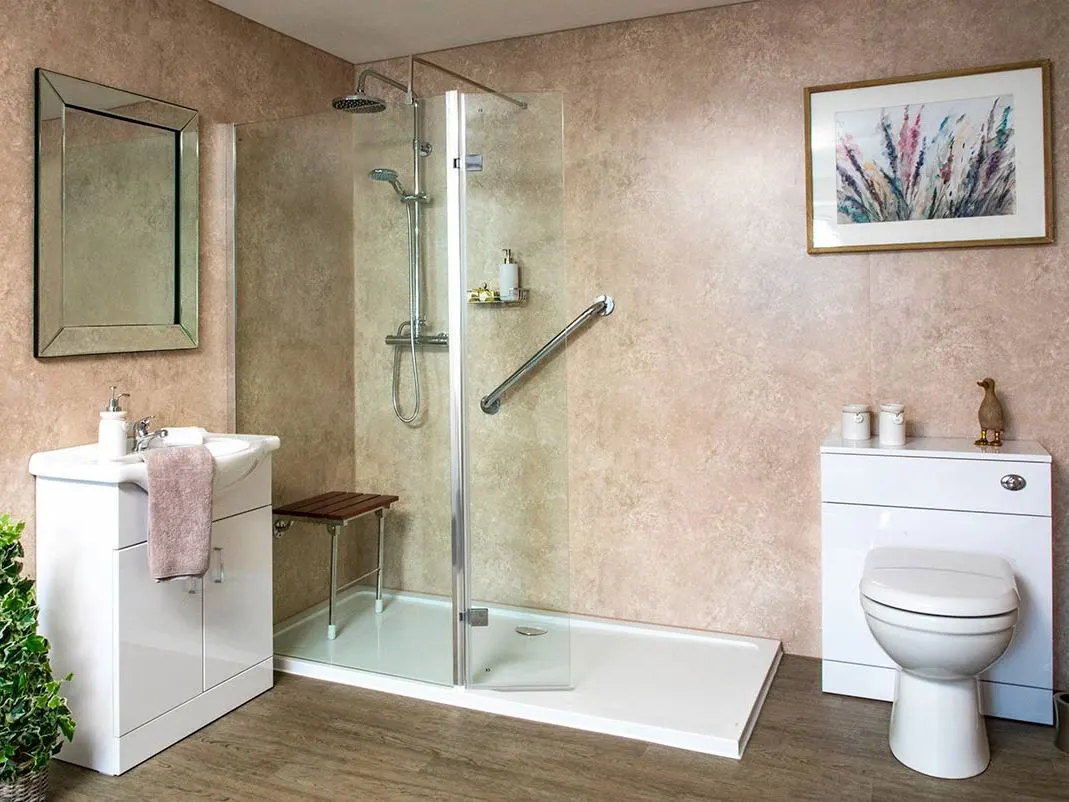
Why Bathroom Adaptations Matter for Seniors
Falls in the bathroom are a leading cause of injury among people aged 65 and older, with 80% of senior falls occurring in this high-risk area. Simple modifications like walk-in showers, grab rails, and non-slip flooring can cut fall risk by up to 50%. Fortunately, a range of UK grants exists to help fund these essential adaptations, making homes safer and more accessible for elderly individuals.
What Are Bathroom Renovation Grants?
Bathroom renovation grants are financial assistance programs offered by local councils, charities, and government schemes across the UK. They aim to help seniors, disabled individuals, and low-income households afford necessary modifications, such as walk-in showers, bath lifts, or wet rooms. Eligibility typically depends on income, property ownership, and the specific needs of the applicant. Landlord consent is required for tenants.
Top Grants for Walk-In Showers and Baths in the UK
1. Disabled Facilities Grant (DFG)
The most widely used grant in England, Wales, and Northern Ireland. It funds adaptations like walk-in showers and wet rooms for people with disabilities, including elderly individuals. The maximum grant is £30,000 in England, £36,000 in Wales, and £25,000 in Northern Ireland. It is means-tested, so your financial situation affects the amount awarded.
2. Local Authority Grants
Many councils offer additional funding to supplement the DFG or cover smaller adaptations. These vary by region, so check with your local council for specific schemes and eligibility criteria.
3. Charitable Organisations
Charities like Turn2us and Foundations Independent Living Trust (FILT) provide grants for low-income households. They often focus on urgent safety improvements, such as installing walk-in baths or level-access showers.
4. Energy Company Obligation (ECO) Scheme
While primarily aimed at energy efficiency, some ECO initiatives also cover bathroom adaptations, especially if they help reduce damp or improve safety for vulnerable residents.
5. Grants for Private Homeowners
Private homeowners meeting certain criteria can access grants from councils or housing-focused charities. These may cover partial or full costs of bathroom renovations that enhance accessibility.
How to Apply for a Bathroom Grant: Step-by-Step Guide
Step 1: Assess Your Needs
Identify which adaptations are essential. For seniors, a walk-in shower with a seat, non-slip floor, and grab rails is often top of the list.
Step 2: Contact Your Local Council
Your council is the primary contact for grant information. They can advise on available schemes and the application process.
Step 3: Get an Occupational Therapist Assessment
Most grants, including the DFG, require an occupational therapist to evaluate your home and recommend necessary modifications. This assessment is free through your local council.
Step 4: Submit Required Documents
Prepare proof of income, property ownership (or landlord permission if renting), and the therapist’s recommendations. Submit these to the council.
Step 5: Wait for Approval
Approval can take several weeks to months, depending on the scheme and complexity. Stay in touch with the council for updates.
Step 6: Carry Out Renovations
Once funding is approved, hire certified contractors to install the adaptations. Ensure all work meets UK building regulations.
Benefits of Walk-In Showers and Baths for Seniors
Improved Accessibility: No high step-over; models with built-in seating make bathing easier.
Reduced Fall Risk: Non-slip surfaces, grab rails, and handheld showerheads significantly lower accident rates.
Greater Independence: Seniors can bathe without caregiver assistance, preserving dignity.
Increased Home Value: Modern, accessible bathrooms appeal to future buyers, especially those with mobility needs.
Customisable Features: Thermostatic controls, rain showerheads, and anti-scald technology enhance comfort and safety.
Frequently Asked Questions
Can tenants apply for bathroom grants?
Yes, but you need written permission from your landlord. Some grants also allow landlords to apply directly.
How long does it take to receive funding?
The process typically takes several weeks to months, depending on the grant type and local authority workload.
Do walk-in showers need professional installation?
Absolutely. Professional installation ensures compliance with UK building regulations and guarantees safety.
Are walk-in showers suitable for small bathrooms?
Yes, compact designs are widely available to fit tight spaces without compromising accessibility.
Take the First Step Toward a Safer Bathroom
With the right grant, seniors can afford the adaptations they need to stay safe, independent, and comfortable at home. Research available options, contact your council, and begin the application process today.