Laser Eye Surgery UK: Costs, Types, Risks & Best Clinics (2025 Guide)
Discover laser eye surgery costs, types, risks, and top UK clinics. Find out if LASIK, SMILE, or ICL is right for you.
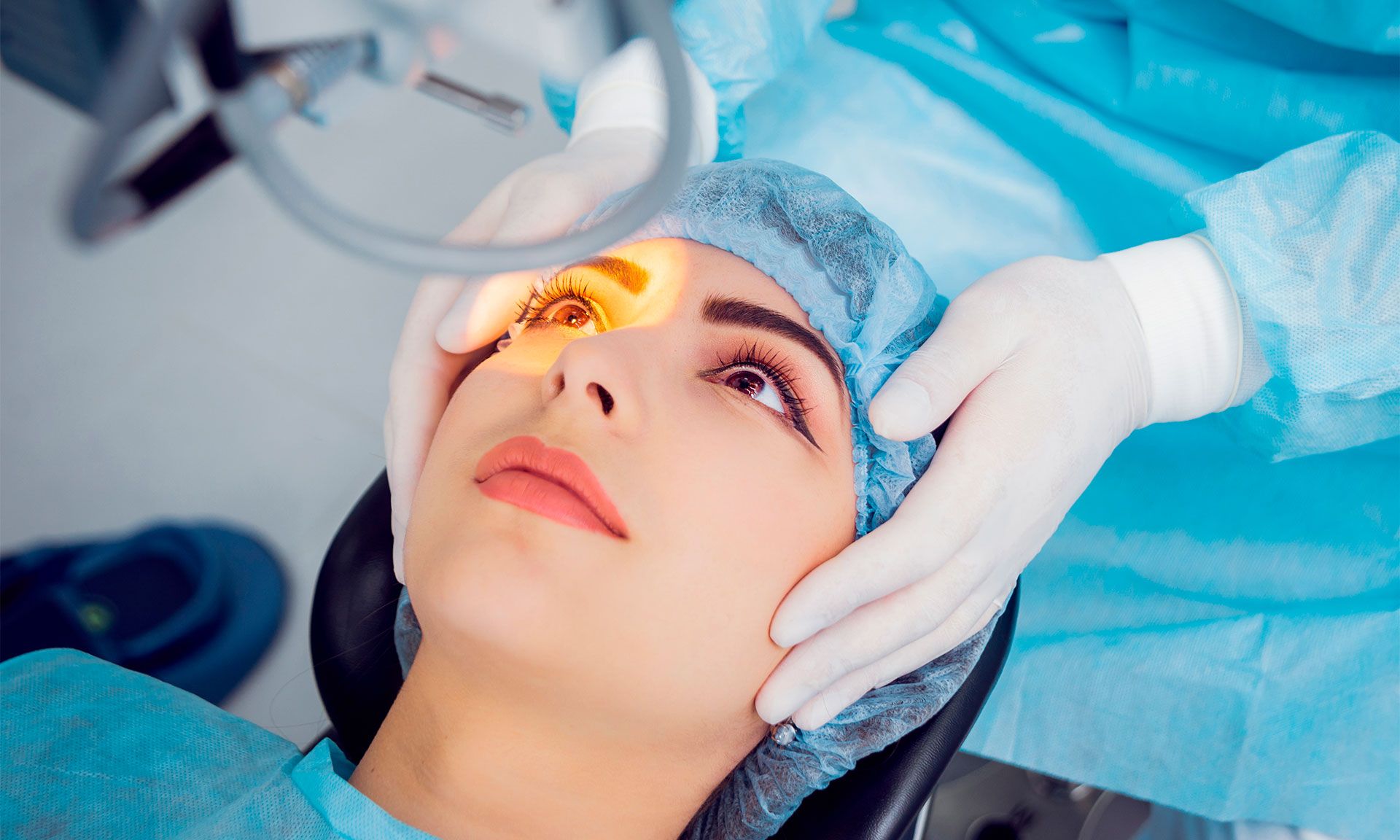
Understanding Laser Eye Correction
Laser eye correction, also known as refractive surgery, is a medical procedure that reshapes the cornea to treat myopia, hyperopia, and astigmatism. By altering how light focuses on the retina, it reduces or eliminates the need for glasses or contact lenses.
Common Types of Laser Eye Surgery
| Type | How It Works | Best For |
|---|---|---|
| LASIK | Creates a thin corneal flap before reshaping with a laser | Most refractive errors |
| LASEK / PRK | Reshapes cornea without a flap; suitable for thin corneas | Patients with thin or irregular corneas |
| SMILE | Minimally invasive small-incision lenticule extraction | Mild to moderate myopia |
| ICL (Implantable Lenses) | Lens placed inside the eye; no corneal reshaping | Severe refractive errors |
How the Procedure Works
Laser eye surgery involves three key stages:
Consultation: Your ophthalmologist checks eye health, corneal thickness, and prescription to confirm candidacy.
Treatment: A laser reshapes the cornea — either by removing tissue (LASIK) or through a minimally invasive approach (SMILE).
Recovery: Most patients see improvement within 24 hours, with full stabilisation over a few weeks.
Key Benefits
Improved vision: Many achieve 20/20 or better.
Long-term savings: Eliminates ongoing costs of glasses, lenses, and exams.
Fast recovery: Procedure under 30 minutes; return to normal activities in 1–2 days.
Lifestyle freedom: Easier swimming, sports, and travel without eyewear.
Permanent correction: Results are stable, though natural ageing may still affect vision later.
Cost of Laser Eye Surgery in the UK (2023)
| Procedure | Cost per Eye (GBP) |
|---|---|
| LASIK | £1,200 – £2,000 |
| LASEK / PRK | £1,000 – £1,800 |
| SMILE | £1,800 – £2,500 |
| ICL | £3,000 – £4,500 |
Source: Vision Clinic Pricing Reports, 2023. Factors affecting cost include technology (e.g., femtosecond lasers), surgeon expertise, location (London/Manchester typically higher), and included aftercare.
Choosing a Clinic: What to Look For
Reputation: Read Trustpilot and Google Reviews for patient satisfaction.
Surgeon experience: Seek ophthalmologists with a high volume of laser procedures.
Technology: Ensure the clinic uses modern equipment (wavefront, femtosecond laser).
Transparent pricing: Request a full breakdown including aftercare fees.
UK Provider Comparison
| Provider | Strengths | Weaknesses |
|---|---|---|
| Optical Express | Nationwide, affordable | Limited advanced procedures like SMILE |
| Moorfields Eye Hospital | World-class expertise, cutting-edge tech | Higher cost |
| Vision Express | Convenient locations, good aftercare | Restricted complex case availability |
| Optegra Eye Health Care | Specialist clinics, full services | Fewer branches |
Risks & How to Minimise Them
Dry eye syndrome: Temporary, usually resolves in months.
Halos/glare: Common at night shortly after surgery.
Undercorrection/overcorrection: Rare; may need a touch-up.
Infection: Extremely rare, treatable with medication.
Minimise risks by: choosing a reputable clinic, following aftercare instructions (use prescribed drops), and avoiding eye rubbing for several weeks.
Data & Success Rates
| Procedure | Success Rate for 20/20 Vision |
|---|---|
| LASIK | 96% |
| LASEK/PRK | 92% |
| SMILE | 94% |
Source: British Journal of Ophthalmology, 2022. Patient satisfaction: 94% overall, 91% would recommend (UK Vision Clinics, 2023).
Future Trends
Wavefront-guided LASIK, robotic assistance, and corneal regeneration research promise even greater precision and safety.
FAQs
Am I a candidate? Most adults over 18 with stable prescriptions; consultation needed.
Does it hurt? Surgery is pain-free (numbing drops); mild discomfort during recovery.
How long? Laser treatment 10–15 minutes per eye; total visit ~1 hour.
Is it permanent? Yes, but presbyopia with age may still require reading glasses.
Both eyes same day? Yes, most clinics treat both in one session.
Conclusion
Laser eye correction offers UK residents a proven, cost-effective way to achieve clearer vision. With high success rates, quick recovery, and a range of procedures to suit different needs, it remains a leading choice for refractive correction.