Fleet Management Explained: UK Guide to Systems, Technology & Trends for 2025
Discover the evolution of UK fleet management: from telematics to AI, small fleet software to MaaS. Learn benefits, trends & challenges for 2025.
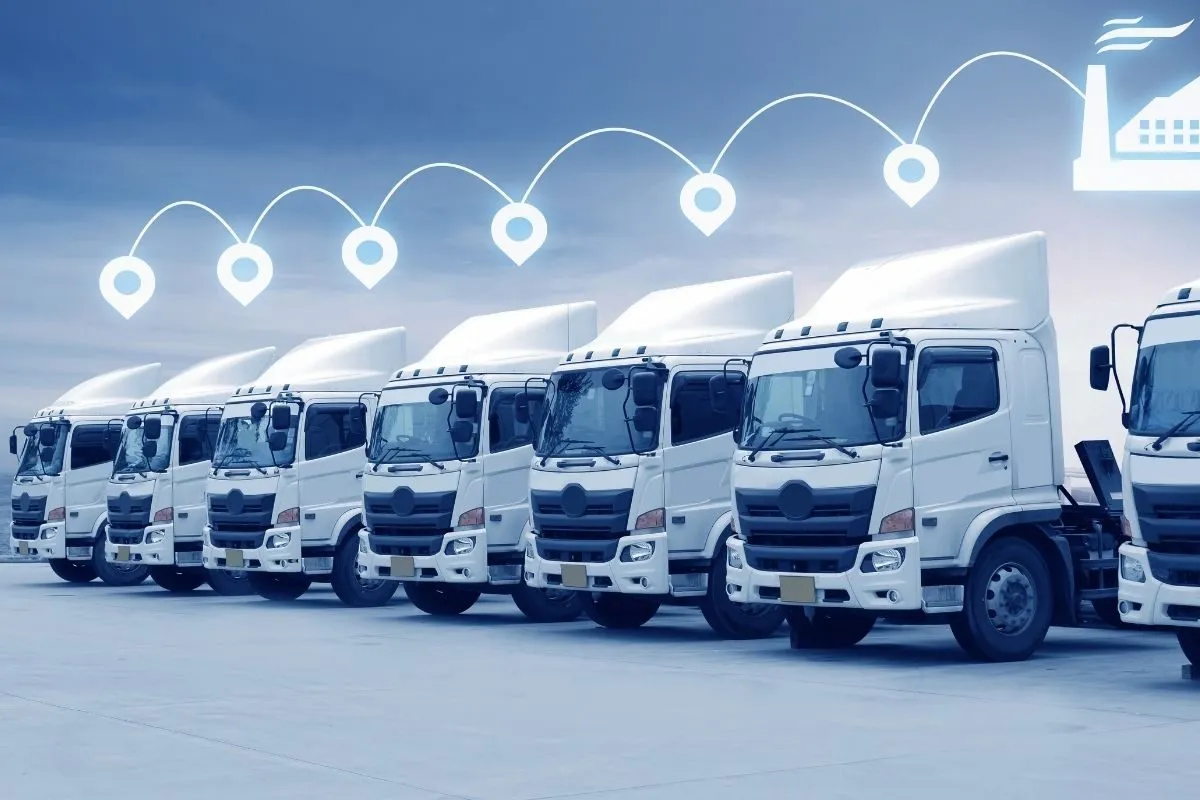
Understanding Fleet Management and Its Importance
Fleet management involves coordinating vehicles used for transportation within a business or supply chain. Its core goals are efficient operations, cost control, regulatory compliance, and sustainability. In the UK, sectors like logistics, public transport, and delivery services depend heavily on effective fleet management, especially as demand for faster, eco-friendly transport grows.
Key Benefits of Modern Fleet Systems
Optimised routes: GPS and AI‑powered tools find the fastest, most fuel‑efficient paths.
Cost reduction: Transport maintenance software monitors vehicle health to prevent expensive breakdowns.
Compliance: Systems help meet UK regulations on safety, emissions, and driver hours.
Sustainability: Digital tools track fuel use and emissions, supporting the shift to greener fleets.
Core Technologies in Fleet Management
Telematics and Real‑Time Tracking
Telematics collects real‑time data on location, speed, and performance. Fleet managers use this to monitor vehicles, track deliveries, and optimise routes. For UK logistics companies, telematics reduces idle time and ensures timely deliveries.
Maintenance Alerts and Predictive Care
Automated reminders based on mileage, engine health, and wear patterns predict maintenance needs. This proactive approach cuts downtime, extends vehicle lifespan, and keeps fleets compliant with UK safety standards.
Driver Behaviour Monitoring
Tools assess speeding, harsh braking, and idling. Insights help improve driver training, reduce accidents, and lower insurance premiums.
Digital Transformation: From Small Fleets to Enterprise
Small Fleet Management Software
Cloud‑based solutions offer cost‑effective route optimisation, fuel tracking, and maintenance scheduling via user‑friendly dashboards. They are scalable, letting UK businesses grow without heavy upfront investment.
Enterprise Platforms
Large‑scale operations integrate fleet data with supply chain systems, using predictive analytics and AI automation for informed decision‑making.
Cloud‑Based Systems
Cloud platforms provide data accessibility from anywhere. Fleet managers can track deliveries, monitor vehicle health, and analyse fuel consumption remotely via mobile apps.
Fleet Management in the Supply Chain
Efficient fleet operations are vital for retail, manufacturing, and e‑commerce, where on‑time logistics directly affect revenue. Data shows significant impacts:
Fuel efficiency improvements reduce supply chain costs by 15–20% (UK Logistics Report 2025).
Predictive maintenance adoption lowers vehicle downtime by 30% (FleetTech Insights).
Real‑time tracking systems improve delivery accuracy by 25% (Transport Analytics UK).
Emerging Trends for 2025
Mobility as a Service (MaaS)
MaaS integrates shared mobility solutions like car‑sharing, ride‑hailing, and public transport fleets, promoting sustainable urban transport in the UK.
Electric and Autonomous Vehicles
With the UK’s net‑zero goal for 2050, fleet managers are adopting electric vehicles (EVs). Autonomous vehicles also promise safer, more efficient operations.
AI and Big Data
AI‑powered algorithms enable predictive maintenance, route optimisation, and enhanced decision‑making.
Challenges Facing Fleet Operators
Rising costs: Fuel price volatility, maintenance expenses, and insurance premiums.
Regulatory compliance: Strict UK emissions and driver‑hours rules require constant attention.
Technology adoption: Small businesses may struggle with upfront costs of digital systems.
Fleet Management Software Options in the UK
Transport Maintenance Software
Provides automated reminders, predictive analytics, and detailed reports to maximise uptime.
Small Fleet Management Software
Designed for small businesses, with tools for vehicle tracking, maintenance scheduling, and driver monitoring.
Frequently Asked Questions
What is fleet management technology?
It includes telematics, GPS tracking, and software platforms that optimise vehicle operations and monitor performance.
How can fleet management improve sustainability?
By tracking fuel consumption and emissions, businesses can adopt greener practices and transition to EVs. MaaS also promotes shared mobility.
What does a fleet management system cost in the UK?
Costs vary: small fleet software may start at £50/month, while enterprise‑level systems can cost upwards of £500/month.
How does fleet management affect supply chains?
It ensures timely deliveries, optimised routes, and lower operational costs, directly benefiting logistics.
What trends will shape fleet management in 2025?
Key trends include EV adoption, AI analytics, MaaS integration, and continued digital transformation.
Fleet management remains a cornerstone of modern transport and supply chain operations, giving UK businesses the tools to optimise, reduce costs, and meet sustainability targets. Adopting innovative systems—from small‑fleet software to MaaS—will be essential for staying competitive in 2025.