Pharmaceutical Packaging: Importance, Types, Innovations & Future Trends
Explore the critical role of pharmaceutical packaging in the UK: safety, compliance, innovations like RFID and cold chain, and future trends. Learn about challenges and solutions.
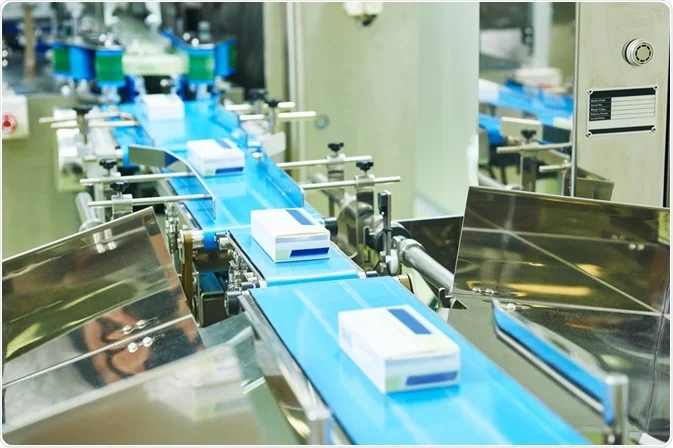
Why Pharmaceutical Packaging Matters
Pharmaceutical packaging plays a crucial role in protecting medications from environmental factors such as moisture, light, and temperature changes. By preserving product integrity, proper packaging ensures drugs remain effective throughout their shelf life, safeguarding both patient health and industry investments. In the UK, regulatory bodies like the Medicines and Healthcare products Regulatory Agency (MHRA) enforce strict standards for labeling, tamper-evidence, and traceability. Additionally, user-friendly designs—clear instructions, easy-open features, and child-resistant closures—enhance patient adherence and reduce misuse.
Types of Pharmaceutical Packaging
Primary Packaging
This layer directly contacts the product, maintaining chemical stability and preventing contamination. Common examples include blister packs, bottles, and syringes.
Secondary Packaging
Secondary packaging groups primary units for distribution and retail. Boxes and cartons carry essential labeling and branding while offering extra protection during transportation.
Tertiary Packaging
Used for bulk handling and shipping, tertiary packaging includes pallets and containers that enable safe, efficient movement of large quantities between facilities.
Key Innovations Shaping the Industry
RFID Technology
Radio Frequency Identification (RFID) tags provide real-time tracking of products through the supply chain, improving inventory management and combating counterfeit drugs.
Cold Chain Packaging
Temperature-sensitive medications like vaccines and biologics rely on advanced insulation and monitoring systems to stay stable from manufacturer to patient.
Sustainable Packaging
Growing environmental concerns drive adoption of recyclable materials, waste reduction, and biodegradable options to minimize ecological impact.
Printing Innovations
High-resolution digital printing ensures legible, compliant labeling and enhances brand visibility on pharmaceutical packages.
Challenges in Pharmaceutical Packaging
Counterfeit Prevention
MHRA mandates rigorous packaging protocols, including holograms, QR codes, and RFID tags, to protect against fake products and maintain trust.
Balancing Cost and Quality
Companies must manage economic constraints while investing in high-quality materials and advanced technologies to meet regulatory standards and ensure patient safety.
Adapting to Regulatory Changes
The dynamic regulatory landscape requires constant vigilance and agile processes to stay compliant with updated MHRA guidelines.
Future Trends to Watch
Personalization and Smart Packaging
Customized packaging tailored to individual patient needs, along with digital adherence tracking, is emerging as a key trend.
Expanded Use of Biodegradable Materials
As sustainability takes center stage, biodegradable materials are expected to become more common without sacrificing product protection.
Integration of IoT
Internet of Things devices will enable real-time monitoring of product conditions, boosting supply chain transparency and efficiency.
Competing Companies in Pharmaceutical Packaging
| Company Type | Key Features |
|---|---|
| Printing Companies | High-resolution labeling, compliance with standards |
| Contract Packaging Companies | Outsourced services, efficiency, regulatory adherence |
| Medicine Packaging Companies | Innovative solutions, materials expertise |
| Local Packaging Services | Accessibility, tailored solutions, quick response |
Data Source: Industry Analysis and Reports
FAQs
Q: What is RFID technology in pharmaceutical packaging?
A: RFID uses radio frequency tags to track and manage inventory, improving supply chain efficiency and reducing counterfeit risks.
Q: How does cold chain packaging benefit pharmaceuticals?
A: It maintains the required temperature for sensitive drugs, preserving efficacy from production to administration.
Q: Can pharmaceutical packaging be sustainable?
A: Yes, through recyclable materials and biodegradable options that minimize environmental impact.
Q: Why do companies use contract packaging services?
A: They offer efficiency and expertise, allowing companies to focus on core operations while ensuring compliance packaging standards.
Q: How can packaging prevent counterfeit pharmaceuticals?
A: Features like holograms, QR codes, and RFID tags verify authenticity and deter counterfeiting.