Dental Implant Costs in the UK: A Complete Guide to Affordability and Options
Explore dental implant costs in the UK, from single to full mouth. Learn about payment plans, clinical trials, and how to choose an affordable clinic.
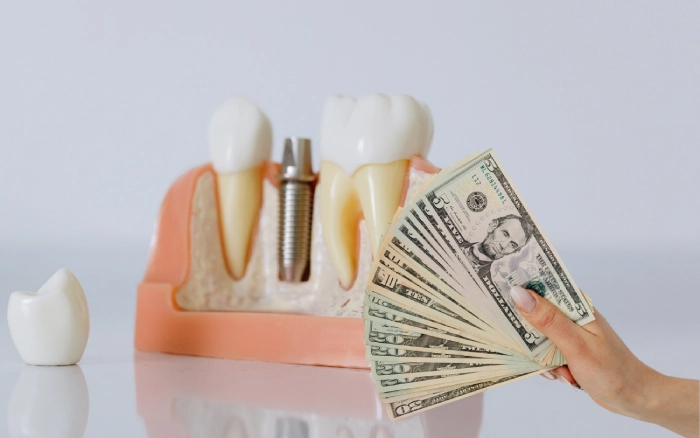
Dental Implants in the UK: What Affects the Price?
Dental implants offer a permanent solution for missing teeth, but costs vary significantly across the UK. Factors such as materials, clinic location, dentist expertise, and additional procedures all influence the final price. Knowing these elements helps you budget effectively and choose the right treatment.
Key Cost Drivers
Materials & Technology: Titanium posts and ceramic crowns are standard. Advanced imaging (3D scans) or laser dentistry can raise costs but improve precision.
Clinic Location: London and other major cities typically charge more due to higher overheads than smaller towns.
Dentist Experience: Specialist implant dentists often command higher fees, but their expertise reduces complication risks.
Pre-Implant Procedures: Bone grafting or sinus lifts add to the total cost if needed.
Payment Plans: Many clinics offer flexible financing to spread the expense.
Typical Cost Ranges in the UK
Based on data from the British Dental Association, single tooth implants generally cost between £1,800 and £3,000. Full mouth implants (e.g., All-on-4 or All-on-6) range from £7,000 to £28,000, depending on complexity and number of implants.
How to Make Dental Implants More Affordable
Payment Plans and Financing
Many dental practices provide interest-free payment plans for up to 12 months, or low-interest loans over longer periods. While most UK dental insurance policies do not cover implants, some offer partial reimbursement or discounts.
Clinical Trials
Participating in clinical trials (e.g., through the National Institute for Health Research) can provide implants at reduced cost. Trials test new materials or techniques and often have eligibility criteria.
Full Mouth vs. Single Implants: Pros and Cons
Full mouth solutions like All-on-4 use 4–6 implants to support a complete arch, often more cost-effective than individual replacements. Benefits include permanent stability, improved aesthetics, reduced bone loss, and better function than traditional dentures. Drawbacks include higher upfront cost and longer recovery. Single implants are ideal for replacing one tooth but accumulate cost when multiple are needed.
Choosing the Right Clinic
Research online reviews, seek transparent pricing, and verify the dentist's credentials. A thorough consultation should outline all potential costs, including any extra procedures. Specialists in implant dentistry often deliver superior outcomes.
Alternative Tooth Replacement Options
Dentures and bridges are cheaper initially but lack the durability and natural feel of implants. Mini implants are less invasive and more affordable but may not suit all cases, especially full arches. Weigh long-term benefits against upfront costs to decide what fits your needs.
Dental implants are a significant investment, but with careful planning, payment options, and clinic selection, you can achieve a confident smile. The long‑term advantages—improved oral health, comfort, and aesthetics—often outweigh the initial expense.