Home Lift Costs UK 2025: Stiltz, Nibav Prices & Installation Guide
Explore home lift prices in the UK for 2025, including Stiltz and Nibav costs, installation factors, maintenance, and future market trends.
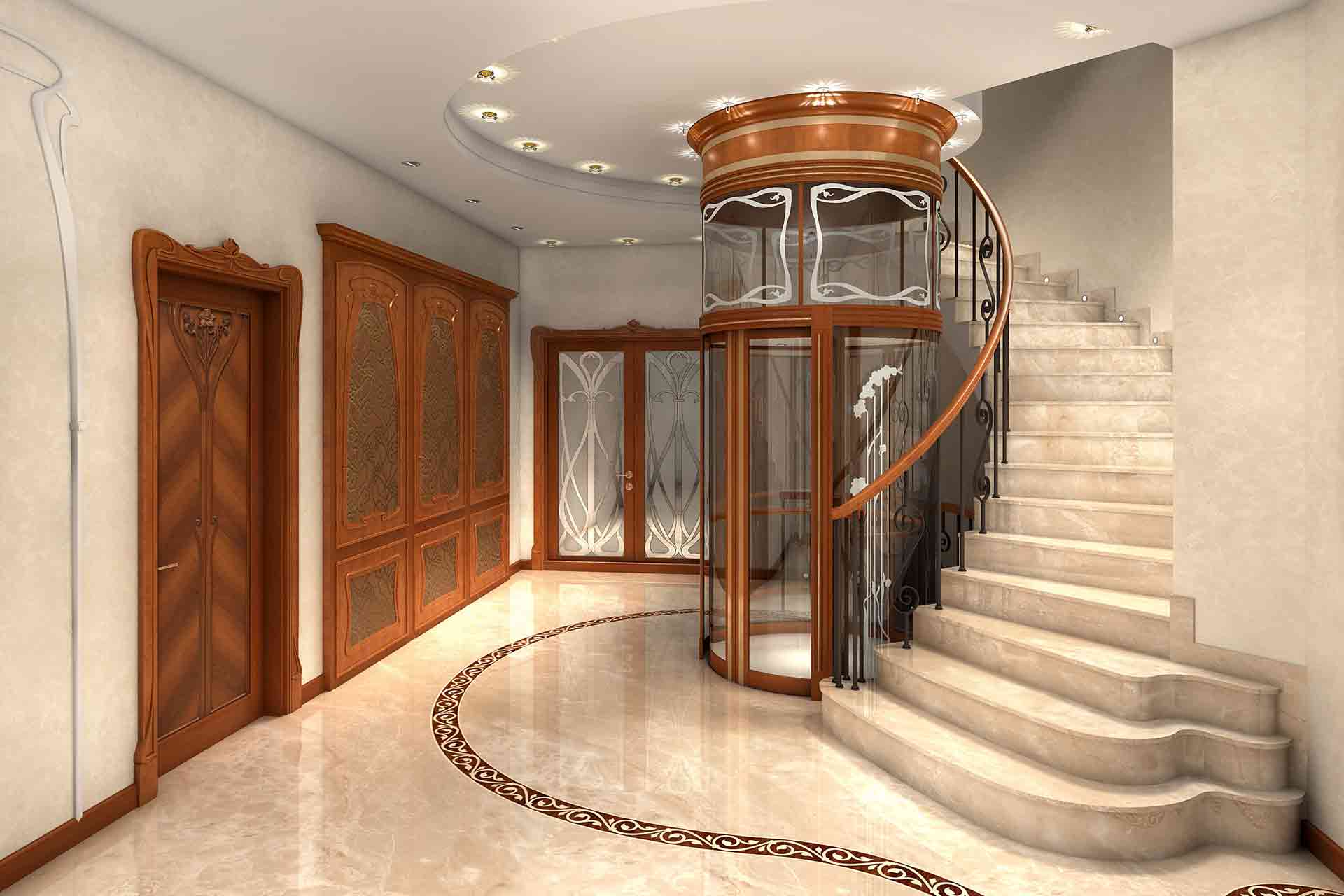
Home Lift Costs in the UK: The Complete 2025 Guide
Home elevators, once considered luxury additions, are now a practical investment for many UK households. With an ageing population, urban space constraints, and advances in lift technology, demand has surged. Understanding the costs involved—from purchase and installation to maintenance—is essential for making a smart decision. This guide provides an up-to-date overview of home lift prices in the UK for 2025, covering leading brands, price determinants, and future trends.
What Affects Home Lift Prices?
The price of a home lift varies based on several key factors. Design and technology play a major role: lifts with advanced features like pneumatic systems or compact, through-floor designs typically cost more. Installation complexity also influences the total bill—homes with unusual floor plans or limited space may require custom work, increasing labour and material costs. Location and regional building codes further affect pricing, as labour rates and permit fees differ across the UK.
Design and Technology: Advanced features and sleek designs increase costs.
Installation Complexity: Unique architectural layouts require more intricate and costly installation.
Location and Regulations: Regional building codes and labour rates impact overall pricing.
Brand Comparison: Stiltz vs Nibav vs Other Options
Choosing the right brand is critical. Below is a cost comparison of popular home lift brands in the UK, based on the 2025 Home Lift Industry Report.
| Brand | Average Cost (GBP) | Key Features |
|---|---|---|
| Stiltz | £15,000 – £25,000 | Compact design, quick installation |
| Nibav | £20,000 – £30,000 | Pneumatic technology, eco-friendly |
| Other Brands | £10,000 – £20,000 | Basic models, customizable options |
Source: Home Lift Industry Report, 2025
Understanding the Cost Components
Beyond the initial purchase price, homeowners should budget for ongoing expenses. The main cost components include:
Equipment and Installation: The largest upfront cost. Equipment covers the lift's mechanical and electrical parts; advanced features like pneumatic technology or energy-efficient designs command higher prices. Installation can add significant expense if structural modifications are required.
Maintenance and Servicing: Regular inspections, repairs, and parts replacement ensure safety and longevity. Service contracts with reputable providers help manage these costs and prevent major breakdowns.
Regulatory Compliance: Permits, inspections, and certifications to meet local building codes and safety standards. Compliance protects homeowners from legal liabilities and adds property value.
Future Price Trends for 2025
Looking ahead, several trends are expected to influence home lift pricing:
Technological Innovations: Advances in automation, materials, and manufacturing will lower production costs, leading to more affordable models with smart features and reduced energy consumption.
Market Competition: More brands entering the UK market will drive competitive pricing and financing options, benefiting consumers.
Sustainability Emphasis: Demand for eco-friendly lifts using sustainable materials and energy-efficient technologies is growing, with potential government incentives further reducing costs.
Choosing the Right Lift for Your Home
Selecting the ideal home lift involves evaluating available space, load capacity, and design preferences. Compact through-floor lifts suit smaller homes, while larger homes may accommodate more spacious models. Consider future mobility needs and how the lift integrates with your interior. Working with a certified installer and reviewing warranty options can ensure long-term satisfaction.
Market Insights: UK vs India
While the focus is on the UK, understanding global trends offers perspective. The UK market prioritises energy-efficient, compact designs that comply with strict safety regulations. In India, rapid urbanisation and a growing middle class drive adoption of eco-friendly models, though infrastructure limitations and cost sensitivity remain challenges.
| Country | Market Insights | Challenges |
|---|---|---|
| UK | Demand for energy-efficient, compact designs | Compliance with stringent regulations |
| India | Increasing urban adoption, eco-friendly models | Infrastructure limitations, cost sensitivity |
Source: Global Home Lift Market Insights, 2025
Conclusion
Home lifts represent a significant investment in convenience, accessibility, and property value. By understanding the cost drivers, brand options, and future trends, UK homeowners can navigate the market with confidence. As we approach 2025, technological innovation and sustainability will continue to shape the industry, making home lifts more accessible than ever.