Choosing the Right POS System: A Comprehensive Guide for Modern Retailers
Learn how modern POS systems streamline retail operations, manage inventory, and enhance customer experience. Discover key features and top providers.
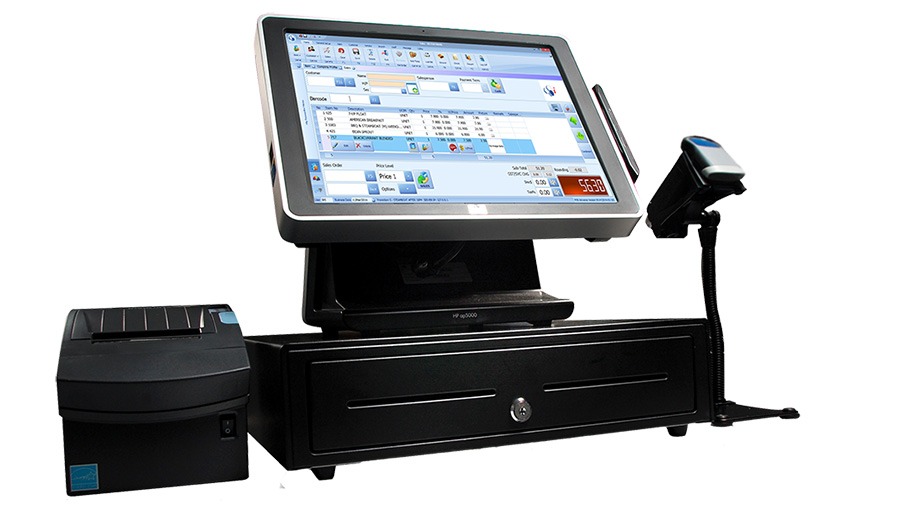
Understanding Modern Point of Sale Systems
Point of Sale (POS) systems have revolutionized retail transactions, moving far beyond simple cash registers. Today's POS solutions integrate hardware and software to manage sales, inventory, and customer data, enabling retailers to operate with greater efficiency and insight. Whether you run a small boutique or a growing chain, selecting the right system can significantly impact your bottom line.
Core Components and Benefits
A modern POS system typically includes barcode scanners, receipt printers, and a touchscreen terminal paired with powerful software. This setup streamlines checkout, reduces human error, and provides real-time data on sales trends and stock levels. Businesses can generate detailed reports, track employee performance, and manage discounts effortlessly. The result is a smoother customer journey and more informed decision-making.
Revenue Stream Trends in the POS Industry
Examining revenue composition reveals shifts in the POS market. Based on StrongPoint ASA's Annual Report (March 2025), the following table illustrates operating revenue from products, services, and recurring sources:
| Year | Operating Revenue (MNOK) | Recurring Revenue (MNOK) | Products Revenue (MNOK) | Services Revenue (MNOK) | Relative Share of Total Revenue (%) |
|---|---|---|---|---|---|
| 2023 | 1,342 | 312 | 148 | 111 | 18 |
| 2024 | 1,309 | 358 | 116 | 121 | 21 |
The growing share of recurring revenue highlights the increasing importance of subscription-based services, such as software updates and support, in the POS ecosystem.
Advanced Capabilities for Retail Success
Beyond basic transactions, modern POS systems offer hidden powers that can transform your business operations and customer relationships.
Enhancing Customer Experience with Diverse Payment Options
Consumers expect flexibility at checkout. Today's POS systems support credit/debit cards, contactless payments, mobile wallets like Apple Pay and Google Pay, and even QR code solutions. By accommodating these methods, retailers meet rising demands for speed and convenience. Mobile payments have surged due to smartphone adoption and contactless preferences, making it crucial for businesses to adopt POS technology that seamlessly integrates these options.
Streamlining Inventory and Unifying Commerce
Efficient inventory management minimizes stockouts and overstocking. Modern POS systems track stock in real time, send low-inventory alerts, and even automate reordering. Furthermore, they unify online and offline channels, synchronizing sales, customer profiles, and inventory across all touchpoints. This enables omnichannel strategies like buy-online-pick-up-in-store, creating a cohesive brand experience that drives loyalty.
Leading POS Providers for Small to Medium Businesses
Choosing the right provider depends on your business size, industry, and budget. Here are top contenders:
Square POS, EPOS Now, Lightspeed, and Zettle
Square POS offers free software and affordable hardware, making it ideal for retail and beauty SMEs. Features include transparent fees, loyalty programs, and inventory management. EPOS Now caters to both hospitality and retail, with table management and reporting tools. Lightspeed POS targets growing businesses with advanced analytics and multi-location support. For microbusinesses, Zettle by PayPal provides a portable, budget-friendly card reader with seamless PayPal integration. Each system balances cost and functionality, so evaluate your specific needs.
Frequently Asked Questions
What core components make up a modern POS system? A modern POS system combines hardware (barcode scanners, receipt printers) with software to manage sales, inventory, and customer data. This integration streamlines transactions and delivers actionable insights.
How do POS systems adapt to changing payment preferences? They support cash and various digital methods like contactless and mobile payments, ensuring seamless transactions and reducing errors.
What are the main revenue streams for POS systems? Revenue comes from product sales, service fees, and an increasing share of recurring subscription-based services.
What hidden powers do modern POS systems offer? They enhance customer experience through diverse payment options, provide data-driven insights, streamline inventory, and unify online and offline channels for omnichannel retail.
How should small businesses choose an affordable POS system? Consider upfront costs, monthly fees, and essential features. Free or low-cost options like Square POS or Zettle by PayPal suit basic needs, while more complex businesses may invest in feature-rich systems.