Construction Site Security: Comprehensive Guide to Measures, Roles & Technology
Explore essential construction site security: physical measures, personnel roles, and modern surveillance tech to prevent theft, vandalism, and delays.
Why Construction Site Security Matters
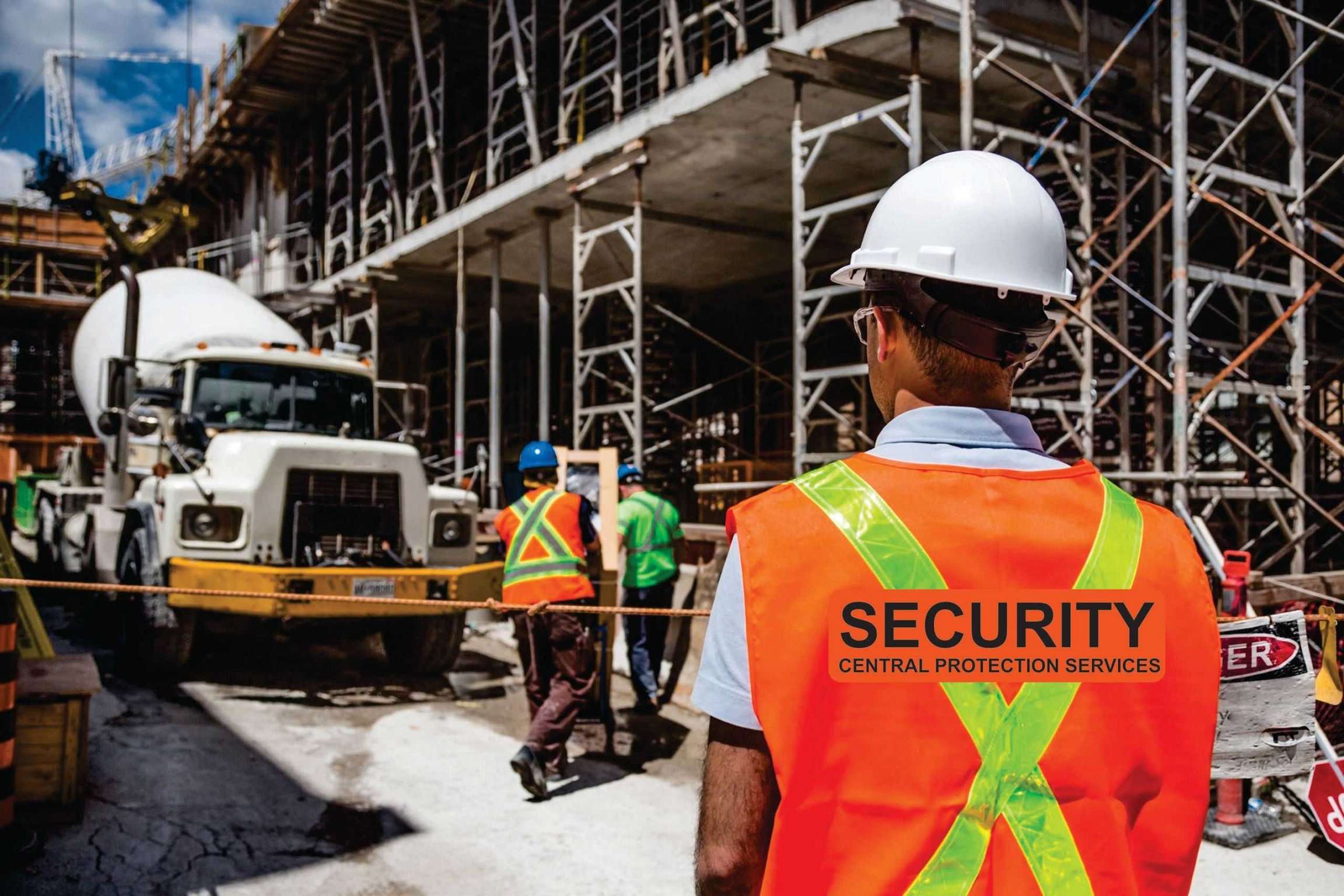
Construction sites are prime targets for theft, vandalism, and safety hazards. Effective security preserves valuable equipment, materials, and personnel while preventing costly delays. The right mix of physical barriers, technology, and trained staff creates a robust defense that protects both assets and project timelines.
Core Security Measures
Perimeter Security
A strong perimeter is the first line of defense. Sturdy fencing (chain-link or solid panels) reinforced with barbed wire or razor wire in high-risk areas forms a clear boundary. Regular inspections catch breaches early, and well-placed lighting—especially motion-activated floodlights—deters intruders and aids night visibility.
Access Control
Strict entry procedures prevent unauthorized access. Badge systems, biometric scanners, and manned checkpoints verify identities of workers, subcontractors, and visitors. Maintaining detailed logs of all entries and exits creates an audit trail for investigations and accountability.
Surveillance Technology
Modern CCTV systems with AI-powered analytics, motion detection, and night vision provide 24/7 monitoring. Cameras placed at strategic points record evidence and deter crime. Wireless and mobile units allow flexible placement, even in remote areas, as the site evolves.
Security Personnel
Trained guards patrol entry points, conduct foot and vehicle patrols, enforce site rules, and respond to alarms. Their visible presence is a powerful deterrent. Supervisors coordinate teams, train new hires, and liaise with project management to adapt security protocols.
Lighting
Adequate illumination across the site, especially during non-working hours, discourages criminal activity and improves safety. Motion-activated floodlights are cost‑effective and energy‑efficient, ensuring dark corners don’t become hiding spots.
Roles and Responsibilities
Security Guards
Frontline defenders who monitor access, patrol perimeters, and handle alarms. They verify credentials, log traffic, and report suspicious activity. 24/7 shift coverage ensures constant vigilance.
Security Supervisors
Oversee guard teams, manage schedules, conduct performance reviews, and implement improvements. They bridge security operations and project management, ensuring policies are followed.
CCTV Operators
Real-time watchers who spot unusual behavior, track movement, and alert guards. They maintain incident records and provide critical evidence for investigations.
Access Control Specialists
Manage card readers, biometric systems, and user permissions. They issue and deactivate access credentials, troubleshoot technical issues, and protect sensitive areas.
Technological Innovations in Surveillance
AI‑Powered Analytics
Artificial intelligence distinguishes humans, vehicles, and animals, drastically reducing false alarms. For example, it detects a person entering a restricted zone after hours and instantly alerts security.
Wireless and Mobile Systems
Solar‑powered mobile units with cellular connectivity can be repositioned as the site expands. No trenching for cables—cameras are deployed where needed most.
Integration with Access Control
Cameras capture images when a card or biometric scan is used, tying a face to each entry event. This integration provides seamless tracking and enforces zone restrictions.
Real‑Time Remote Monitoring
Authorized personnel view live feeds from any device with an internet connection. Off‑site managers and stakeholders can verify security compliance even after hours, enabling rapid response to incidents.
Future Trends
The next wave includes drone‑based aerial patrols, advanced biometrics (facial recognition, gait analysis), and robust cybersecurity to protect IoT‑connected devices. AI will continue to evolve, predicting threats based on behavioral patterns.
Frequently Asked Questions
Q1: What are the key aspects of construction site security?
A: Core aspects include access control, surveillance systems, trained personnel, and adequate lighting. Together they prevent theft, vandalism, and injuries, safeguarding project success and reducing financial losses.
Q2: What roles make up a security team?
A: Guards (frontline patrol & access), supervisors (team management & training), CCTV operators (real‑time monitoring), and access control specialists (system maintenance). Each role is vital to a layered defense.
Q3: How have cameras improved site security?
A: AI analytics reduce false alarms, wireless cameras enable flexible deployment, high‑resolution imaging provides clear evidence, and remote monitoring allows off‑site vigilance. These features deter crime and accelerate investigations.
Q4: What challenges do construction sites face?
A: Theft, vandalism, worker safety compliance, remote site management, and environmental hazards. Solutions include integrated surveillance, smart sensors, and real‑time data.
Q5: What future trends are emerging?
A: AI‑driven threat detection, drone patrols, biometric access control (fingerprint, iris), and stronger cybersecurity. These innovations will further automate and strengthen site protection.
Data source: Construction Dive, 2024